Buying Solar for Your Parents or Family in Zimbabwe While Living Abroad
If you live outside Zimbabwe, chances are you have already thought about helping your parents or relatives deal with constant power cuts back home. Maybe they struggle during long load shedding schedules. Maybe they rely on candles, generators, or expensive fuel just to get through the day.
For many Zimbabweans in the diaspora, solar has become one of the most practical long-term investments you can make for your family.
Instead of sending money every month for fuel or emergency repairs, you can install a reliable solar system that gives your family stable electricity every day.
You also gain peace of mind knowing:
- The fridge stays running
- Borehole pumps continue working
- Security systems remain active
- Your family can charge phones and stay connected
- Children can study at night without interruptions
At the same time, buying solar while living abroad can feel overwhelming.
You may ask yourself:
- How much should you budget?
- Which solar system is actually suitable?
- Which inverter brands are reliable in Zimbabwe?
- How do you avoid poor installers or fake products?
- Can you manage the whole process remotely?
This guide answers those questions using real Zimbabwean context. You will learn how to choose the right solar system for your family, avoid common mistakes, and make smarter long-term decisions while living abroad.
Table of Contents
Why Solar Makes Sense for Families in Zimbabwe
Zimbabwe’s electricity situation has made solar less of a luxury and more of a necessity.
In many areas, load shedding can last for several hours every day. Some rural areas also experience unstable supply, low voltage, or complete outages.
When your parents are elderly or managing a household alone, these power cuts become more than just an inconvenience.
They affect:
- Food storage
- Water supply
- Home security
- Internet access
- Daily comfort
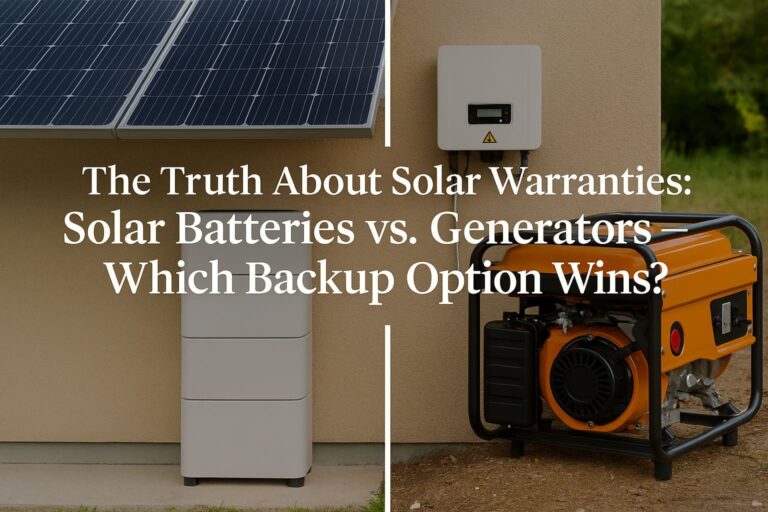
Many families try to solve this problem using generators. While generators help during outages, they also create new problems.
Generators require:
- Constant fuel purchases
- Regular servicing
- Noise management
- Manual operation
Fuel costs in Zimbabwe can quickly become expensive over time. In some cases, families spend more on generator fuel over a few years than they would have spent on a properly designed solar system.
Solar offers a more sustainable solution.
Once installed correctly, a solar system can:
- Reduce dependence on ZESA
- Lower monthly electricity costs
- Provide silent backup power
- Improve comfort and convenience
- Increase property value
This is especially important for diaspora buyers because you want a solution that works reliably without needing constant supervision.
A properly installed solar system gives your family independence from unpredictable power cuts while reducing ongoing expenses.
Understanding the Different Types of Solar Systems
Before you buy anything, you need to understand the three main types of solar systems commonly used in Zimbabwe.
Choosing the wrong type of system is one of the biggest mistakes many people make.
Grid-Tied Solar Systems
A grid-tied system works together with ZESA power.
During the day:
- Solar panels power the house
- Excess energy may reduce electricity usage from the grid
However, most grid-tied systems stop working during load shedding unless batteries are included.
This setup works best for:
- Areas with stable electricity
- Homes trying to reduce electricity bills
- Businesses operating mainly during the day
For most Zimbabwean households dealing with load shedding, a purely grid-tied system is usually not enough.
Off-Grid Solar Systems
An off-grid system operates completely independently from ZESA.
It uses:
- Solar panels
- Batteries
- An inverter
This type of system is common in:
- Rural areas
- Farms
- Remote homes without reliable grid access
Off-grid systems can work very well, but they require proper sizing. If the battery bank or panel capacity is too small, the family may still experience power shortages.
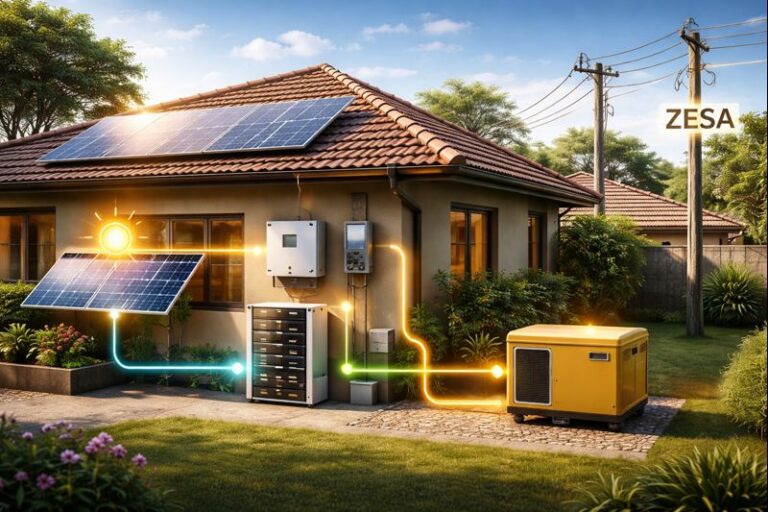
Hybrid Solar Systems
Hybrid systems are currently the most popular option in Zimbabwe.
They combine:
- Solar panels
- Batteries
- ZESA power
- Sometimes generators
A hybrid system automatically switches between power sources depending on availability.
For example:
- During the day, solar panels power the house
- At night, batteries take over
- When batteries run low, ZESA or a generator can assist
This setup gives your family the best balance between reliability and flexibility.
Hybrid systems work especially well for:
- Urban homes
- Families with refrigerators and TVs
- Homes with boreholes
- Small businesses
Which Option Is Best for Your Family?
The right system depends on how your family uses electricity.
A small household may only need:
- Lights
- TV
- Wi-Fi
- Phone charging
A larger home may also need:
- Borehole pumps
- Deep freezers
- Geysers
- Air conditioners
Before buying, avoid guessing.
Many people buy solar systems based only on price instead of actual household needs. This often leads to disappointment later when the system cannot handle the required load.
How to Determine the Right Solar System Size
One of the smartest things you can do before purchasing solar is understanding your family’s actual power usage.
A properly sized system performs better, lasts longer, and saves money over time.
Start With Essential Appliances
Begin by identifying what your family needs to power daily.
Common household appliances include:
- Fridge
- Television
- Decoder
- Wi-Fi router
- Lights
- Borehole pump
- Microwave
- Laptop
- Geyser
You should also ask:
- Which appliances must work during load shedding?
- Which appliances are optional?
- How many hours are they used daily?
This helps determine:
- Battery size
- Inverter capacity
- Number of solar panels required
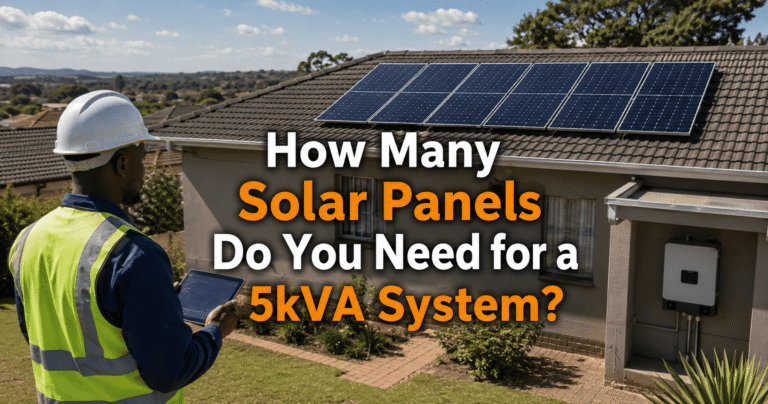
Common Solar System Sizes in Zimbabwe
Different households require different system capacities.
Small Backup Systems
Usually suitable for:
- Lights
- TV
- Wi-Fi
- Phone charging
These are common for small urban homes or apartments.
Medium Household Systems
Typically power:
- Fridge
- Multiple TVs
- Routers
- Small kitchen appliances
Many families in Harare and Bulawayo prefer this setup.
Larger Systems
Designed for:
- Boreholes
- Deep freezers
- Offices
- Air conditioning
- Larger homes
These systems require larger battery banks and stronger hybrid inverters.
Why Undersized Systems Become Expensive
Trying to save money upfront by buying a smaller system often creates bigger expenses later.
Undersized systems can cause:
- Constant overload warnings
- Faster battery wear
- Inverter failures
- Frustration during outages
In many cases, upgrading later becomes more expensive than sizing correctly from the beginning.
As a diaspora buyer, your goal should be long-term reliability rather than the cheapest installation possible.
Choosing the Right Solar Equipment
Not all solar equipment performs the same way in Zimbabwean conditions.
Dust, heat, unstable grid power, and long load shedding schedules place heavy pressure on solar systems.
Choosing reliable components matters.
Solar Panels
Good solar panels should provide:
- Strong efficiency
- Reliable performance in hot weather
- Long warranties
Many Zimbabwean homeowners now prefer monocrystalline panels because they generally perform better in limited roof space.
You should also consider:
- Panel brand reputation
- Warranty support
- Installer experience
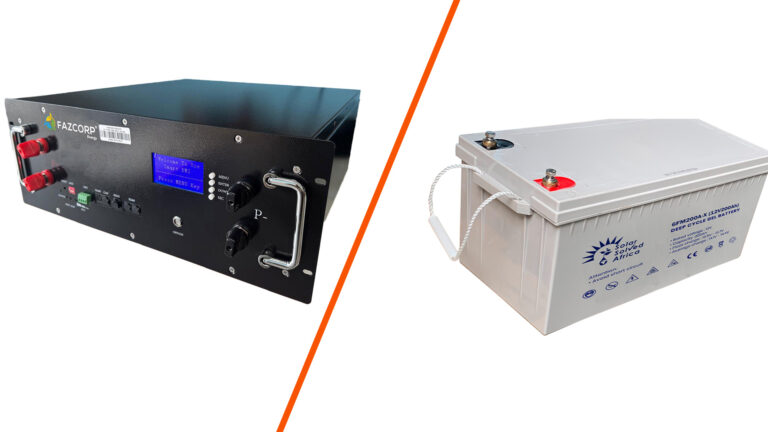
Lithium Batteries vs Gel Batteries
Battery choice is one of the most important decisions you will make.
Lithium batteries have become increasingly popular because they:
- Last longer
- Charge faster
- Require less maintenance
- Handle deeper discharge cycles
Although lithium batteries cost more initially, they often provide better long-term value.
Gel batteries may still work for smaller systems or lower budgets, but they usually have shorter lifespans under heavy daily use.
For families dealing with regular load shedding, lithium batteries are often the better investment.
Choosing the Right Inverter
The inverter acts as the brain of the solar system.
A quality inverter helps manage:
- Battery charging
- Solar production
- Load distribution
- Grid interaction
Hybrid inverters are especially useful in Zimbabwe because they manage solar, batteries, and ZESA together automatically.
Reliable brands matter because replacement costs can be significant if the inverter fails.
Cheap Solar Equipment Can Become Expensive
One of the biggest mistakes diaspora buyers make is choosing systems based only on the lowest quotation.
Cheap installations often involve:
- Counterfeit batteries
- Low-quality panels
- Poor wiring
- Inexperienced installers
These systems may fail after a short period, forcing your family to spend more money on repairs or replacements.
A slightly higher upfront investment in quality equipment usually saves money long-term.
How Much Does a Solar System Cost in Zimbabwe in 2026?
Solar pricing in Zimbabwe depends on several factors.
These include:
- Battery size
- Inverter capacity
- Number of panels
- Installation complexity
- Backup requirements
Small Home Backup Systems
Smaller systems designed for:
- Lights
- TVs
- Routers
- Phone charging
These are usually more affordable and suitable for smaller households.
Medium Family Systems
These systems can typically handle:
- Refrigerators
- Multiple appliances
- Wi-Fi
- Entertainment systems
This is one of the most common categories for urban homes in Zimbabwe.
Large Premium Systems
Larger systems support:
- Boreholes
- Air conditioners
- Offices
- Heavy appliances
These systems require larger battery banks and more solar panels but provide much greater independence from ZESA.
Hidden Costs You Should Consider
Many diaspora buyers budget only for the main solar equipment and forget additional installation expenses.
Extra costs may include:
- Mounting structures
- Electrical upgrades
- Protection kits
- Transport
- Labour
- Monitoring systems
You should always request a complete quotation that clearly explains:
- Equipment included
- Warranty details
- Installation scope
- Future upgrade options
A transparent quotation helps you avoid unexpected costs later.
Most importantly, focus on value rather than just price.
The goal is not simply installing solar. The goal is giving your family reliable long-term electricity and reducing stress caused by power cuts in Zimbabwe.
How to Buy Solar for Your Family While Living Abroad
Buying solar remotely may sound complicated, but the process becomes much easier when you approach it step by step.
The biggest mistake many diaspora buyers make is rushing into a purchase without understanding the household’s actual needs.
Start With a Proper Energy Assessment
Before paying for anything, gather information about the property.
Ask your family:
- Which appliances do they use daily?
- How long do power cuts usually last?
- Is there a borehole?
- Are there plans to add more appliances later?
- Does the home already have backup power?
Photos and short videos of the property can also help installers understand:
- Roof space
- Wiring conditions
- Installation challenges
This reduces mistakes and improves quotation accuracy.
Request Detailed Quotations
Do not rely on a single quotation.
Compare multiple proposals and look beyond price.
A professional quotation should clearly show:
- Inverter model
- Battery specifications
- Number of panels
- Installation costs
- Warranty details
- Backup capacity
If a quotation looks unusually cheap, ask questions.
Cheap systems often use:
- Low-quality batteries
- Undersized wiring
- Fake solar panels
- Weak protection systems
Understand How Payments Work
Most installers in Zimbabwe accept:
- Bank transfers
- International transfers
- Mobile payment arrangements
- Staged payments
Avoid paying everything upfront before installation starts.
A safer structure is usually:
- Deposit payment
- Progress payment
- Final payment after testing
This protects both you and the installer.
Verify the Installer Properly
Because you are overseas, trust matters even more.
Before hiring anyone:
- Check reviews
- Ask for completed project photos
- Request references
- Verify physical business presence
- Ask about after-sales support
A good installer should also explain the system clearly without confusing technical jargon.
If someone avoids questions or pressures you into quick decisions, that is usually a red flag.
Common Mistakes Diaspora Buyers Make
Many solar problems in Zimbabwe are not caused by the equipment itself. They come from poor planning and rushed decisions.
Avoiding these mistakes can save you thousands of dollars.
Choosing the Cheapest System
Everyone wants to save money, but solar is not something you should buy based only on price.
Very cheap systems often fail because of:
- Weak batteries
- Fake inverters
- Poor workmanship
- Incorrect sizing
A low upfront price can become expensive later through repairs and replacements.
Ignoring Battery Quality
The battery bank is one of the most important parts of the entire system.
Poor-quality batteries may:
- Degrade quickly
- Struggle during long outages
- Fail after only a short period
For Zimbabwe’s load shedding conditions, battery quality matters a lot.
Installing a System That Cannot Expand
Many families eventually add:
- Freezers
- Boreholes
- More appliances
- Home offices
If the system cannot expand later, upgrades become difficult and expensive.
It is better to plan ahead from the beginning.
Using Unqualified Installers
Poor installation creates serious risks.
Bad workmanship can lead to:
- Electrical faults
- Battery damage
- Fire hazards
- Reduced system lifespan
A good installer should focus on safety, reliability, and long-term performance.
Not Including Protection Equipment
Zimbabwe experiences:
- Power surges
- Lightning strikes
- Voltage fluctuations
Without proper protection kits, your system becomes vulnerable to damage.
Protection equipment is not optional. It is part of a complete solar installation.
Smart Features That Make Remote Management Easier
Modern solar systems now include monitoring tools that are especially useful for diaspora buyers.
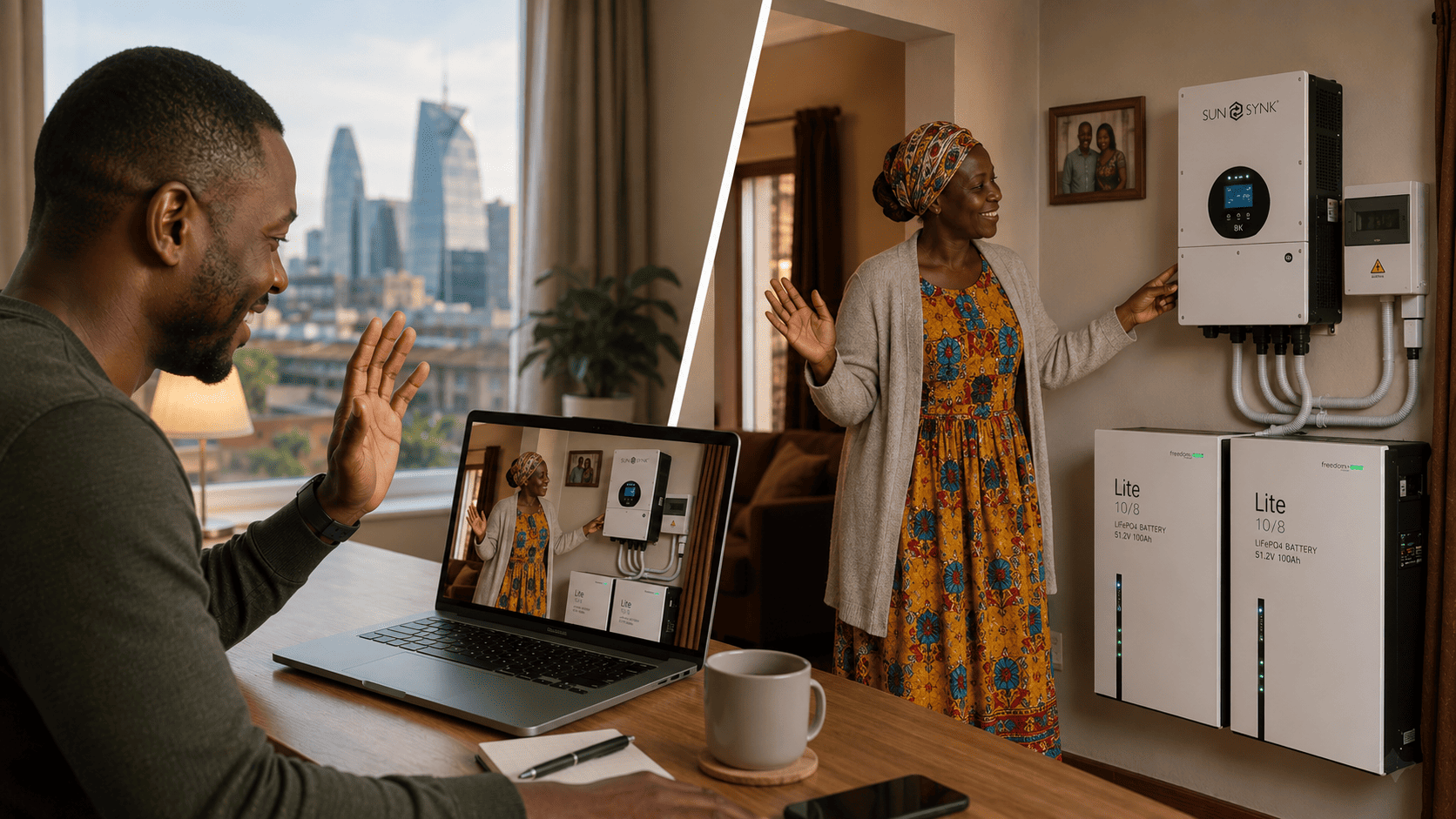
You can monitor your family’s system directly from your phone while living abroad.
Solar Monitoring Apps
Many hybrid inverters now support mobile apps that show:
- Battery levels
- Solar production
- Power usage
- Fault alerts
This allows you to check system performance remotely at any time.
If your parents report a problem, you can often see what is happening before contacting the installer.
Remote Fault Notifications
Some systems send automatic alerts when:
- Batteries are low
- The inverter detects faults
- Solar production drops unexpectedly
These features help you respond faster before small issues become major problems.
Why Monitoring Matters for Diaspora Buyers
Remote monitoring gives you:
- Better visibility
- More control
- Greater peace of mind
Instead of guessing whether the system is working properly, you can see actual performance data yourself.
Real-World Solar Scenarios for Zimbabwean Families
Every household is different.
The best solar system depends on the family’s lifestyle, location, and electricity needs.
Small Urban Home
A smaller family in Harare or Bulawayo may mainly need:
- Lighting
- Television
- Wi-Fi
- Refrigerator backup
A medium hybrid system is often enough for this setup.
Rural Homestead With Borehole
Rural homes may need:
- Borehole pumping
- Security lighting
- Freezer backup
- Water systems
These homes usually require:
- Larger battery storage
- More panels
- Stronger inverters
Family Running a Small Business
Some homes also operate:
- Tuckshops
- Welding shops
- Hair salons
- Chicken projects
Business-related loads require more careful system sizing because equipment may consume large amounts of power.
Premium Comfort Systems
Some diaspora buyers want systems that power almost everything without compromise.
These systems may include:
- Air conditioners
- Electric geysers
- Multiple freezers
- Office equipment
Premium systems cost more but provide greater independence from ZESA.
How to Protect Your Solar Investment
A solar system is a long-term investment.
Like any investment, it needs proper protection and maintenance.
Install Proper Protection Kits
Protection devices help shield the system from:
- Lightning
- Power surges
- Electrical faults
Without proper protection, expensive equipment can fail unexpectedly.
Keep Panels Clean
Zimbabwe’s dusty conditions can reduce panel performance over time.
Simple cleaning and inspections help maintain:
- Efficiency
- Charging performance
- Overall system lifespan
Monitor Battery Health
Batteries perform best when:
- Properly charged
- Not overloaded
- Used within recommended limits
Monitoring helps identify problems early before permanent damage occurs.
Work With Installers Who Offer Support
A good installer should still assist you after installation.
Long-term support matters because:
- Batteries may need expansion later
- Settings sometimes require adjustment
- Monitoring systems may need updates
After-sales service is one of the biggest differences between professional companies and unreliable installers.
Why Experience Matters When Choosing a Solar Supplier
There are many solar providers in Zimbabwe today, but experience matters.
An experienced supplier understands:
- Zimbabwe’s power challenges
- Load shedding realities
- Local installation conditions
- Product reliability trends
This helps you avoid expensive mistakes.
Experienced installers also know:
- Which batteries perform better locally
- Which inverter brands handle unstable grid power well
- How to size systems correctly for Zimbabwean households
Most importantly, they focus on long-term performance instead of simply making a quick sale.
Final Advice for Diaspora Buyers
Buying solar for your parents or family in Zimbabwe is one of the most practical investments you can make.
A properly designed system improves:
- Comfort
- Security
- Convenience
- Independence from power cuts
It also reduces long-term stress for both you and your family.
But do not rush the process.
Take time to:
- Understand your family’s energy needs
- Choose quality equipment
- Work with experienced installers
- Plan for future expansion
The cheapest option is rarely the best long-term solution.
Focus on reliability, safety, and long-term value.
A good solar system should serve your family for many years without constant problems.
If you are living abroad and considering solar for your home or relatives in Zimbabwe, speak to a trusted solar expert before making a decision.
A proper assessment can help you:
- Choose the right system size
- Avoid overspending
- Prevent costly mistakes
- Build a reliable long-term solution for your family
Get in touch today for professional guidance and a customized solar solution designed specifically for your family’s needs in Zimbabwe.