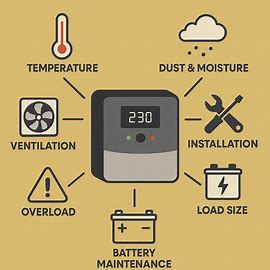
Factors That Affect the Life Span of a Solar Inverter
Let’s be honest—your solar inverter is like the heart of your solar system. Without it, all those shiny panels on the roof are just fancy decorations soaking up the sun for no reason. But here’s the kicker: inverters don’t live forever. Some give up the ghost after 5 years, others push past 15. What makes the difference? That’s exactly what we’re about to unpack.
And if you’re in Zimbabwe, where dust storms, ZESA load-shedding, and scorching heat are all part of daily life, this conversation hits even closer to home.
Table of contents
What is a Solar Inverter, Really?
In plain English, a solar inverter takes the electricity your solar panels make (DC) and turns it into the kind you can actually use in your home (AC). Think of it as the translator in your solar system—without it, the message doesn’t get across.
Factors That Affect the Life Span of a Solar Inverter
1. Quality of the Inverter
You get what you pay for. A no-name inverter bought at the corner shop may look like a bargain today but could collapse before the next World Cup. Reputable brands usually offer warranties of 5–10 years, sometimes extendable to 15.
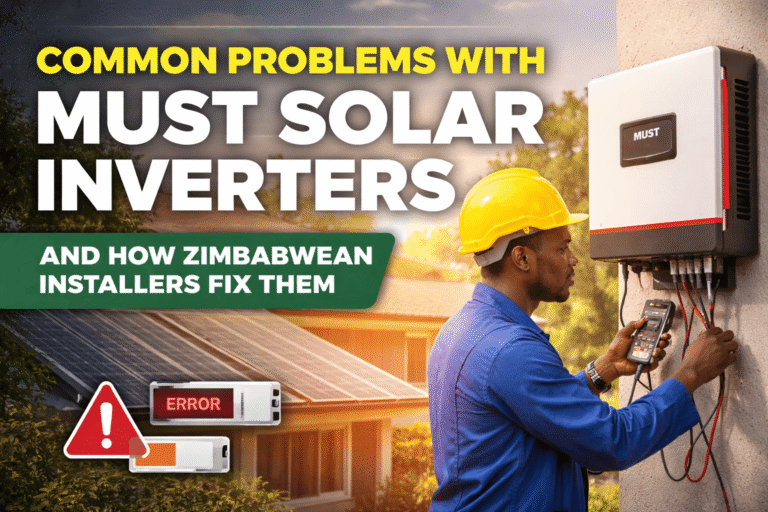
Pro tip: In Zimbabwe, popular choices like Victron, Growatt, and Must are known to handle local conditions better than cheaper, generic imports.
2. Heat and Ventilation
Inverters are like people—they hate extreme heat. If you lock yours up in a tin-roof storeroom with no airflow, expect trouble. Overheating is one of the fastest ways to kill an inverter.
- Best practice: Install in a cool, shaded area with plenty of ventilation.
- Reality in Zim: Don’t put it in the kitchen next to the stove (or any heat source).
3. Dust and Dirt
Dust is the silent killer. Zimbabwe’s dry seasons mean fine dust creeps into everything—including your inverter fans. Over time, this blocks cooling and fries components.
Quick Tip: Wipe down and vacuum the inverter area regularly. If you’re in rural areas with lots of dust, schedule more frequent cleaning.
4. Power Surges and Grid Instability
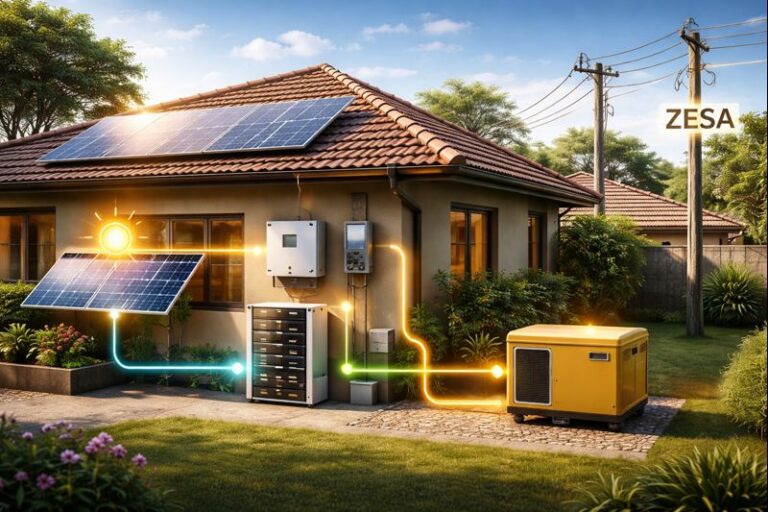
ZESA has been known to surprise us with sudden power spikes when electricity returns after load-shedding. These surges can stress or even permanently damage an inverter.
Solution:
- Install a surge protector.
- Use quality batteries that stabilize the system.
5. Maintenance (or Lack of It)
Like cars, inverters need check-ups. A neglected inverter may only last half its potential lifespan. Regular inspections help catch problems before they become disasters.
| Maintenance Task | How Often | Why It Matters |
|---|---|---|
| Dust cleaning | Monthly | Prevents overheating |
| Cable & connection checks | Every 6 months | Stops loose wiring issues |
| Software/firmware updates | Annually | Keeps efficiency high |
| Professional servicing | Every 1–2 years | Extends overall lifespan |
6. Battery Compatibility
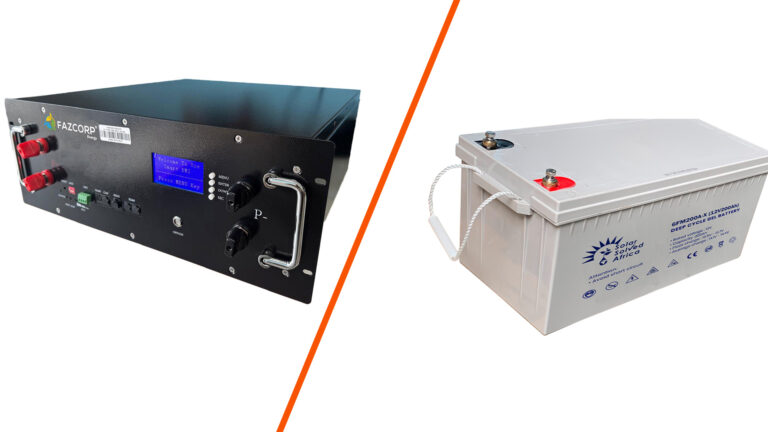
Not all inverters play nicely with all batteries. For example, pairing a high-performance lithium battery with an entry-level inverter can create unnecessary strain.
Rule of thumb: Always check the manufacturer’s recommended pairings.
7. Installation Quality
This is a big one. Even the best inverter can fail quickly if installed by someone who “once wired a radio back in 2002.”
- Hire certified technicians.
- Make sure cabling and grounding are done correctly.
FAQs: Solar Inverter Life in Zimbabwe
Q1: How long does a solar inverter last in Zimbabwe?
On average, 7–12 years. With proper care, some last 15+.
Q2: Can an inverter be repaired when it fails?
Yes, but repairs are often costly and not always reliable. Prevention is better.
Q3: Should I switch off my inverter when not in use?
Not necessary. Inverters are built to stay on. Frequent switching on/off can cause more harm than good.
Q4: How do I know my inverter is failing?
- Strange noises
- Overheating
- Frequent error codes
- Reduced backup time
Conclusion
Your solar inverter’s lifespan is not set in stone—it depends heavily on how you treat it. Invest in a quality brand, give it some fresh air, keep it dust-free, and protect it from ZESA’s mood swings. Think of it as caring for a family member: attention, routine checks, and respect will keep it around longer.
So here’s the challenge: Next time you walk past your inverter, take a second look. Is it clean, well-ventilated, and properly protected? If not, maybe it’s time to show it some love.