Monocrystalline vs Polycrystalline Solar Panels: Which Should You Choose?
As solar energy gains traction across homes, businesses, and even rural communities, one of the most important decisions for anyone going solar is choosing the right type of solar panel. With Monocrystalline and Polycrystalline panels dominating the market, understanding their differences can help you make a smart, long-term investment.
In this post, we’ll break down the technical, practical, and financial aspects of each panel type — so by the end, you’ll know exactly which one suits your needs.
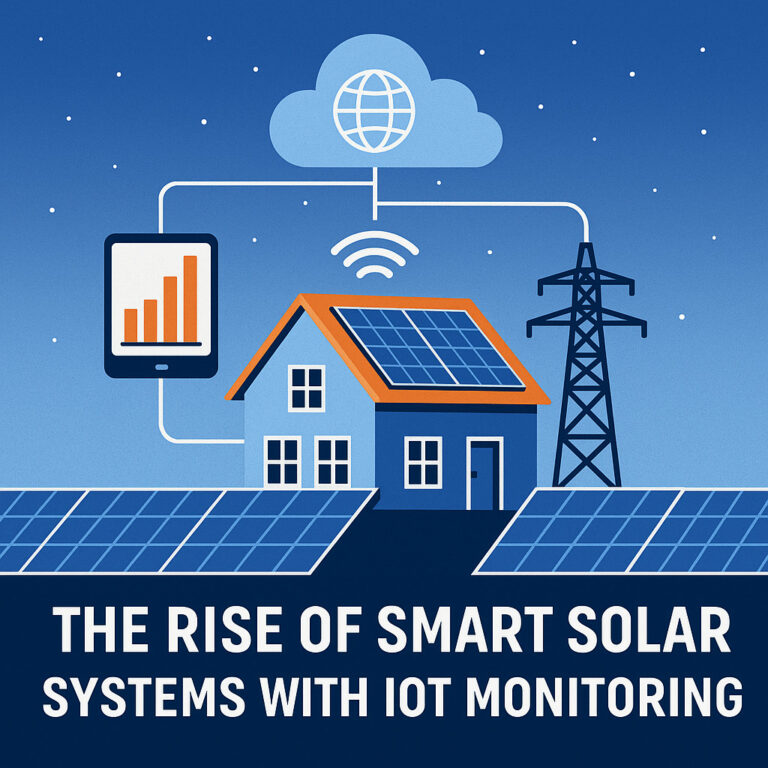
Related: The Rise of Smart Solar Systems with IoT Monitoring – Explore how solar is getting smarter and more efficient.
Table of Contents
What Are Monocrystalline Solar Panels?
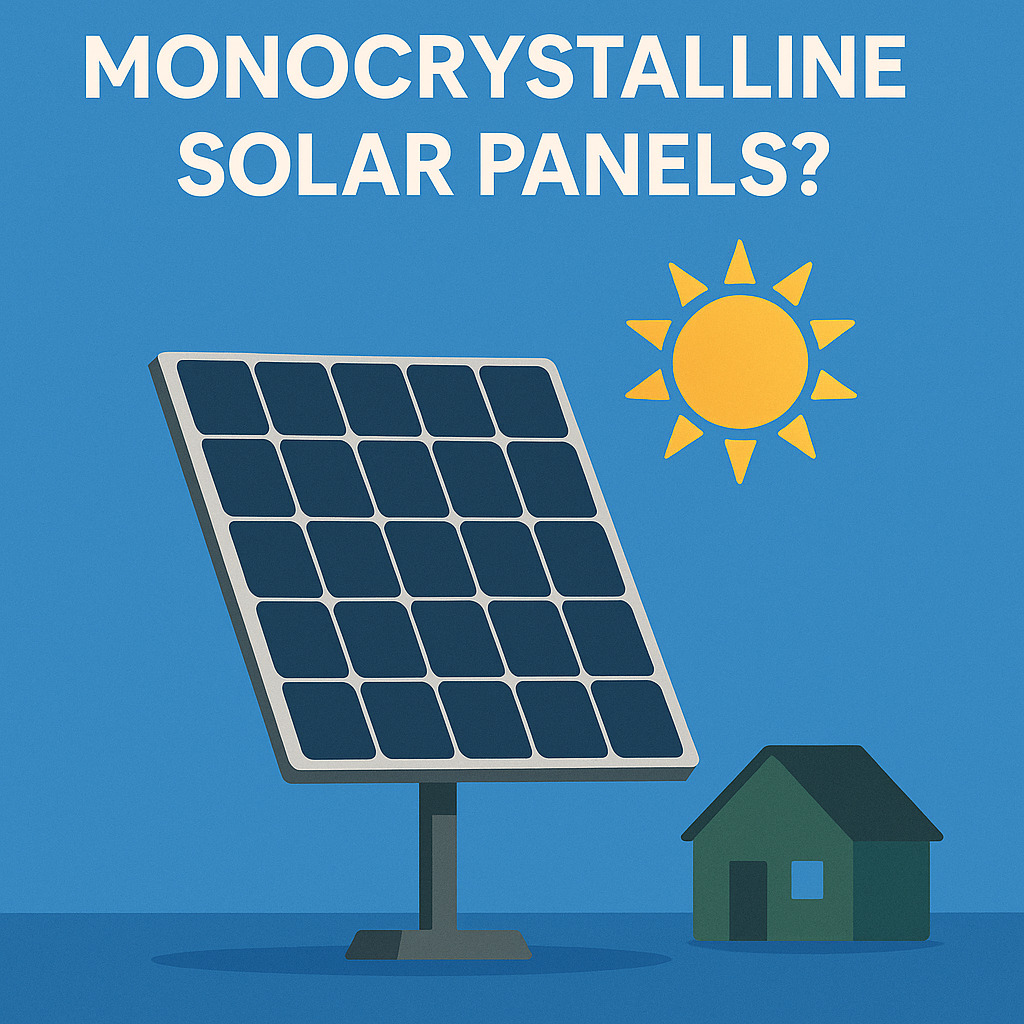
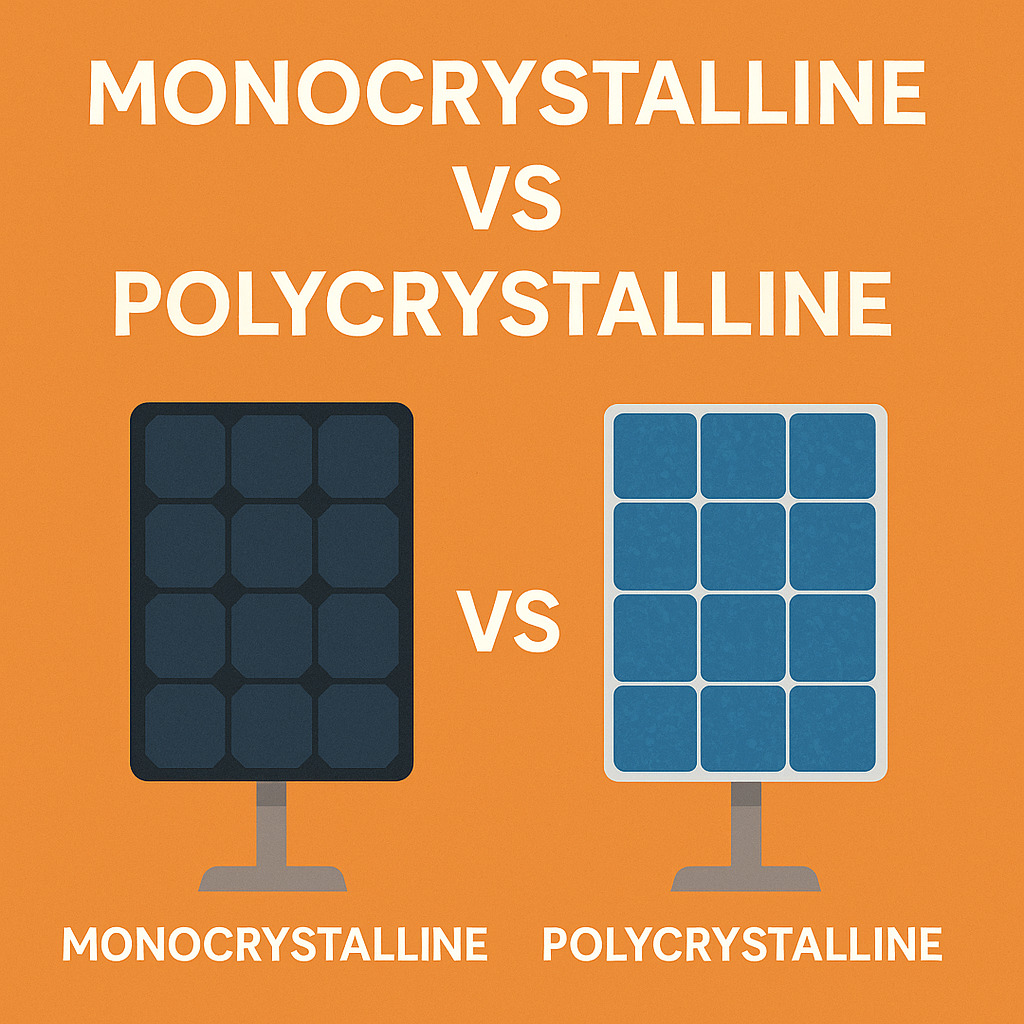
Monocrystalline (mono) solar panels are made from a single continuous crystal structure of silicon. These panels are cut from a single cylindrical silicon ingot, which is why they typically have rounded edges and a uniform dark black color.
Key Characteristics
High efficiency: 18–23% efficiency range.
Space-saving: Generates more power in less space.
Long lifespan: Often backed by 25–30-year warranties.
Premium aesthetics: Sleek, all-black finish appeals to many homeowners.
Choosing the Right Inverter for Your Solar System is crucial! – Your panels are only as good as the inverter supporting them
What Are Polycrystalline Solar Panels?
Polycrystalline (poly) panels are made by melting multiple fragments of silicon together. This results in a less pure crystal structure, which gives the panel its characteristic blue color and grainy appearance.
Key Characteristics
- Moderate efficiency: Typically between 15–17%.
- Lower cost: Cheaper to produce and buy.
- Square-cut cells: Maximizes panel surface area.
- Slightly shorter lifespan, but still durable with 20–25-year warranties.
Related: Understanding Battery Types: Gel vs Lithium – Important when designing poly-based off-grid systems.
Head-to-Head Comparison: Mono vs Poly
| Feature | Monocrystalline | Polycrystalline |
|---|---|---|
|
Efficiency |
Higher (18–23%) |
Moderate (15–17%) |
|
Cost |
More expensive |
Budget-friendly |
|
Aesthetic |
Sleek black |
Bluish with speckled look |
|
Lifespan |
25–30 years |
20–25 years |
|
Temperature Tolerance |
Better performance in heat |
Slightly more affected |
|
Needs less space per watt |
Needs less space per watt |
Requires more space |
Performance in Real-World Conditions
High Temperature
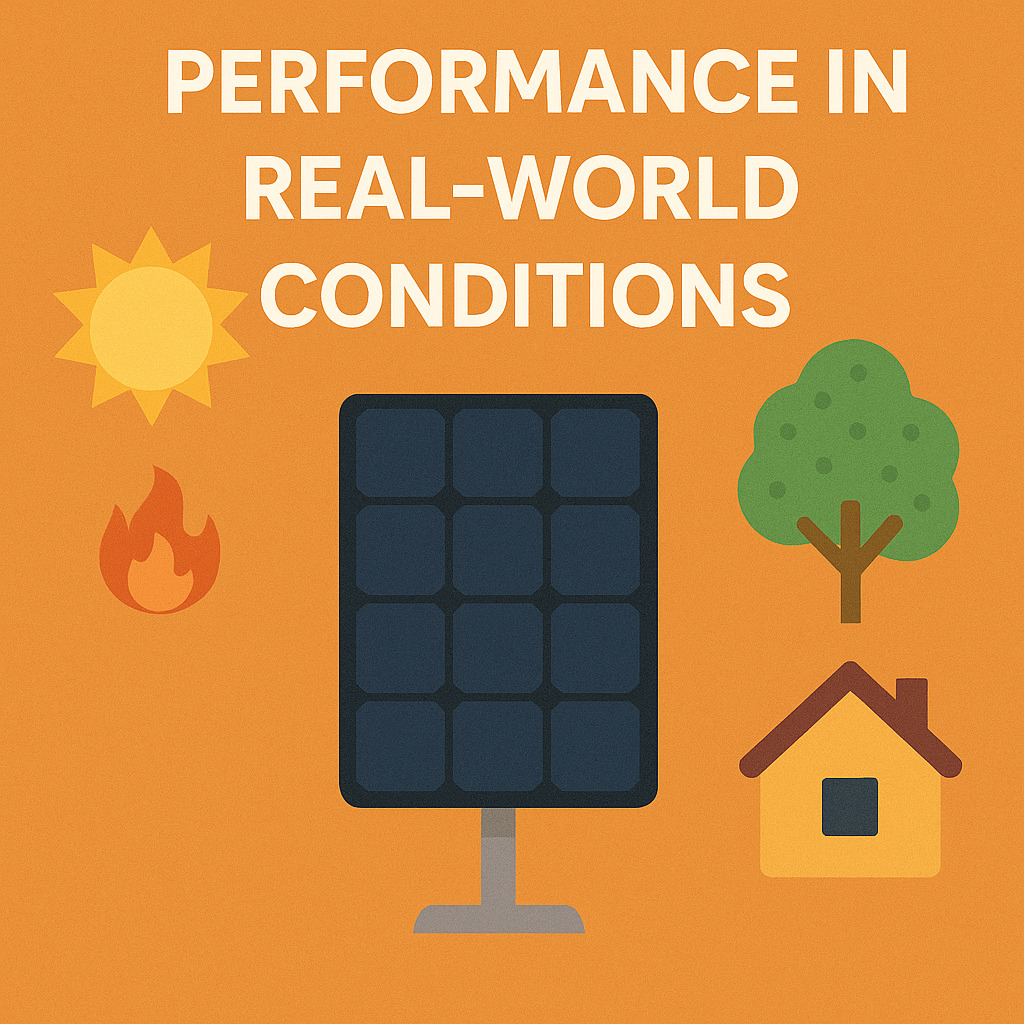
Monocrystalline panels handle heat better and retain more of their efficiency under extreme temperatures — an important factor in hot climates like Zimbabwe or South Africa.
Shading
Mono panels generally outperform poly when shaded, due to better electron flow and more advanced technology.
Space Constraints
If you’re working with limited roof space, mono panels are the go-to option because they generate more power per square meter.
Helpful read: Solar Panel Sizing Guide for Homes
Cost and Value Analysis
While Monocrystalline panels come with a higher upfront cost, they often yield better long-term savings due to their superior efficiency and durability. That said, Polycrystalline panels offer excellent value for larger properties or customers on a tighter budget.
Example:
A 5kW monocrystalline system might cost 15–20% more upfront than a poly system, but it can save that difference in space efficiency, energy production, and aesthetics over time.
Ideal Use Cases for Each Panel Type
| Use Case | Recommended Panel Type |
|---|---|
|
Small roof or limited space |
Monocrystalline |
|
Budget-conscious buyer |
Polycrystalline |
|
Hot climate areas |
Monocrystalline |
|
Large, open installations (e.g., farms) |
Polycrystalline |
|
Residential homes with modern design |
Monocrystalline |
Frequently Asked Questions
Not necessarily. Both panel types degrade slowly, typically losing ~0.5% efficiency per year. Lifespan depends more on manufacturer quality than panel type.
Technically yes, but it’s not recommended. Different electrical characteristics can cause inefficiencies or inverter mismatches.
Not always. They’re more efficient and look better, but Poly panels can be more cost-effective for certain installations.
Final Verdict: Which Should You Choose?
Here’s a quick checklist:
Choose Monocrystalline if:
You want high efficiency
You have limited space
You care about aesthetics
You live in a very hot region
Choose Polycrystalline if:
You’re on a tight budget
You have plenty of space
Aesthetics aren’t a major concern
💡 Pro Tip: If you’re still unsure, contact us for a free site assessment.
Call to Action
Ready to make the switch to solar?
Whether you’re looking for affordable poly panels or premium mono solutions, we’ve got you covered.
👉 Book a Free Solar Consultation
👉 Explore Our Solar Products
👉 Have questions? Leave a comment below or email us!