DIY Solar Installation vs Professional Setup: Pros and Cons
As solar energy becomes more accessible and affordable, homeowners around the world—and especially in regions like Zimbabwe—are taking serious steps toward energy independence. With rising electricity costs, frequent power outages, and a growing awareness of sustainable living, solar power has emerged as a practical and environmentally conscious solution. But once you’ve decided to go solar, a critical question arises: Should you install the system yourself or hire professionals to do the job?
This decision isn’t just about saving money; it involves evaluating your technical skills, understanding safety requirements, navigating local regulations, and ensuring long-term performance of your solar system. While DIY solar installations have grown in popularity due to cost-saving potential and online learning resources, professional setups continue to dominate for their reliability and peace of mind.
Whether you’re a hands-on enthusiast ready to roll up your sleeves or someone who values convenience and expertise, this blog post will guide you through the pros and cons of each approach. By the end, you’ll have a clearer understanding of which option aligns best with your budget, timeline, and energy goals.
Table of contents
What is a DIY Solar Installation?
A DIY (Do-It-Yourself) solar installation refers to the process of purchasing and installing a solar power system without the direct involvement of a professional solar company. Homeowners take on the responsibility of designing the system layout, sourcing the necessary equipment, and physically installing and connecting the components.

The most common DIY setups are grid-tied or off-grid systems designed for small to medium-sized homes, farms, or workshops. These systems often come as pre-packaged kits from solar suppliers and online retailers, complete with instructions, mounting hardware, and sometimes even mobile monitoring tools. Some kits are plug-and-play for basic applications, while others may require intermediate electrical knowledge and local code compliance.
To succeed with a DIY installation, you’ll need:
- Basic to intermediate electrical skills
- Familiarity with tools like drills, voltmeters, and wire strippers
- Ability to follow technical instructions
- Comfort working on rooftops or elevated platforms
However, it’s not just about putting panels on the roof. DIYers must also handle permits, safety inspections, and utility connections where required. Some regions may restrict grid-tied installations without licensed contractors, making it essential to check local regulations before starting.
Ultimately, DIY solar is ideal for those who are technically inclined, budget-conscious, and willing to invest time in learning. It offers freedom and savings but requires caution, planning, and a clear understanding of system design principles.
What is a Professional Solar Setup?
A professional solar setup refers to the process of having your solar energy system designed, installed, and commissioned by trained and certified solar technicians. These professionals may work for solar companies or operate as licensed contractors, and they typically offer end-to-end services—from site assessment and system design to installation, grid connection, and performance testing.

Unlike DIY projects, professional setups are tailored to your specific property needs. Installers consider factors such as roof angle, sun exposure, energy consumption patterns, and local climate when designing your system. They also ensure that the installation complies with local building codes, utility regulations, and safety standards, which is critical for eligibility for government incentives and warranties.
Most professional services include:
- Site inspection and load analysis
- Customized solar system design
- Permit applications and approvals
- Procurement of high-quality components
- Certified installation with safety gear
- Post-installation inspections and testing
- System monitoring and maintenance packages
One of the biggest advantages of a professional installation is peace of mind. The system is usually covered by performance guarantees, equipment warranties, and sometimes workmanship warranties of up to 10–25 years. Many companies also provide monitoring tools that let you track solar production in real time via an app.
While professional installations are generally more expensive upfront than DIY setups, the long-term benefits in terms of efficiency, compliance, and system longevity often outweigh the initial investment—especially for complex or high-capacity systems.
Pros of DIY Solar Installation
Opting for a DIY solar installation offers several compelling advantages, especially for homeowners who are technically inclined and motivated by savings. Below are the primary benefits of taking the DIY route:
1. Lower Upfront Costs
One of the most attractive reasons for going DIY is the significant cost savings. By eliminating labor fees, which often account for 10–30% of total installation costs, you can reduce your solar investment substantially. You’re only paying for equipment—solar panels, inverters, mounts, and accessories—not the installation service.
2. Full Control Over the Project
DIY installations give you complete control over every aspect of your solar setup. From selecting panel brands to customizing your system’s layout to fit your roof or yard, you can tailor everything to your liking. This is ideal for those who enjoy hands-on projects or want a unique configuration.
3. Flexibility and Learning Experience
Installing your own system gives you the freedom to work at your own pace. You can install panels over weekends, upgrade components later, and build knowledge in solar energy. Many DIYers find the process educational and empowering, gaining a deep understanding of how solar technology works.
4. Satisfaction and Ownership
There’s a unique satisfaction in completing a solar installation by yourself. The sense of accomplishment can be deeply rewarding, and you’re likely to take greater care in maintaining a system you built with your own hands.
5. Ideal for Small or Portable Systems
DIY is particularly suitable for small-scale installations, such as powering a remote cabin, borehole pump, mobile workshop, or camping setup. These systems often don’t require grid integration or complex design, making them ideal DIY projects.
While the DIY path is not for everyone, it can be highly rewarding for the right individual. However, these benefits should always be weighed against potential risks—which we’ll explore in the next section.
Cons of DIY Solar Installation
While the DIY approach to solar installation can be empowering and economical, it’s not without its challenges. For many homeowners, the cons may outweigh the pros—especially when it comes to safety, compliance, and long-term system performance. Below are the key drawbacks to consider before committing to a DIY solar project.
1. Risk of Improper Setup
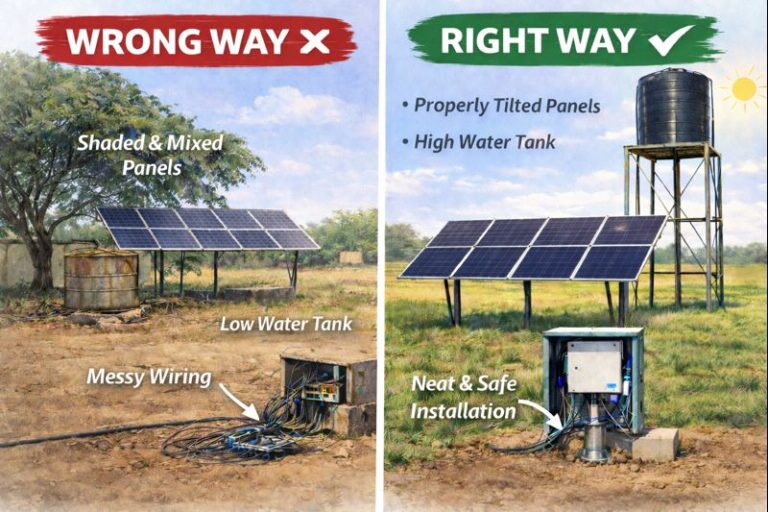
Solar installations involve electrical wiring, system balancing, and correct angling of panels. Mistakes in wiring or placement can lead to system inefficiencies, electrical faults, or even fire hazards. Unlike professionals, DIY installers often lack the tools or experience to perform detailed load analysis or shading evaluations.
2. Safety Hazards
DIY solar projects often involve climbing rooftops, handling sharp-edged panels, and working with high-voltage components. Without proper safety gear and protocols, you risk injury or accidents. This is a serious consideration for anyone unfamiliar with working at heights or with live electricity.
3. Limited Access to Warranties and Incentives
Many manufacturers and governments only honor warranties and incentives if the system is installed by certified professionals. DIY installations may void panel or inverter warranties, and you could miss out on rebates, feed-in tariffs, or net metering benefits—depending on your location’s policy.
4. Complicated Permit and Utility Processes
Solar projects usually require permits and inspections from local authorities or utilities. Navigating these regulations as a DIYer can be time-consuming and confusing, especially when it comes to net metering agreements, grid connection protocols, and building codes.
5. No Professional Support or Maintenance
If something goes wrong post-installation, you’re on your own. Without ongoing support, diagnosis and repair can be difficult, especially if issues are hidden within wiring or inverter settings. Unlike professional setups, DIY systems rarely come with service plans or remote monitoring assistance.
In summary, while DIY solar installations offer savings and self-sufficiency, they also come with high stakes in terms of safety, legality, and long-term support. If any of these risks raise concerns, a professional installation might be the wiser route—something we’ll examine more closely in the next sections.
Pros of Professional Solar Installation
Hiring a certified solar installer comes with numerous benefits that go far beyond convenience. Whether you’re investing in a large home system or a complex commercial installation, professional solar setup ensures safety, reliability, and long-term performance. Let’s explore the advantages in detail:
1. Expert Design and Installation
Certified installers have the experience and tools to assess your roof structure, shading, orientation, and load demands accurately. They use specialized software to simulate solar performance and customize the most efficient system layout for your property. This ensures maximum energy output and fewer system issues down the line.
2. Compliance with Permits and Regulations
Solar professionals handle all the bureaucratic legwork—permit applications, utility approvals, net metering contracts, and inspection scheduling. This saves you the hassle of navigating municipal codes or risking a failed inspection that could delay your project.
3. Access to Incentives and Financing Options
Governments and utilities often offer rebates, tax credits, and low-interest financing, but these are usually tied to installations performed by licensed professionals. Working with a certified installer makes you eligible for these financial benefits, potentially saving thousands over the life of your system.
4. Quality Equipment and Warranty Coverage
Solar companies typically partner with trusted equipment brands and offer comprehensive warranties—not only on the equipment (10–25 years), but also on installation workmanship (typically 5–10 years). This gives you peace of mind in case of future system failures, degradation, or physical damage.
5. Monitoring, Support, and Maintenance
Professionally installed systems often include performance monitoring apps and ongoing support. You can track your energy production in real-time, detect performance drops, and get quick help if something goes wrong. Some companies even offer annual maintenance checks and cleaning services.
In short, professional solar installation offers a turnkey experience—efficient, code-compliant, and future-proof. It’s ideal for those who value reliability and want to ensure their investment performs optimally over the long haul.
Cons of Professional Solar Installation
While professional solar installations offer expertise, compliance, and peace of mind, they also come with drawbacks that may deter budget-conscious or hands-on homeowners. It’s important to understand these downsides before making a final decision. Here are the most common concerns:
1. Higher Overall Cost
Professional installations come with a premium. You’re not just paying for the equipment, but also for design, labor, inspections, and administrative services. This can significantly raise the total cost of your solar project—especially for smaller systems where labor may represent a large percentage of the budget.
2. Less Control Over Equipment and Layout
Most solar companies offer preselected packages or partnerships with specific brands. This means you may have limited freedom to choose specific panels, inverters, or battery brands. Customizing the layout to fit your unique aesthetic or functional goals may also be restricted.
3. Scheduling Delays and Long Timelines
Depending on the demand in your area, installation wait times can range from weeks to months. The process of approvals, inspections, and coordination with the utility company can also cause delays—especially in regions with complex permitting requirements.
4. Potential Upselling or Misinformation
Some solar sales reps may use high-pressure tactics or upsell unnecessary features, such as oversized systems or overpriced batteries. Without a technical background, homeowners might agree to a setup that doesn’t suit their actual energy needs or budget.
5. Inconsistent Quality Between Installers
Not all solar installers are created equal. Poor workmanship, rushed jobs, or subpar customer support can result in leaks, low efficiency, or equipment failure. It’s crucial to research your installer’s reputation, certifications, and track record before signing a contract.
Despite these disadvantages, many homeowners still prefer professional installations for their long-term benefits. However, if cost, control, or scheduling flexibility are priorities for you, a DIY solution may be a more suitable path.
Cost Comparison: DIY vs Professional
One of the biggest factors influencing the choice between a DIY and professional solar installation is cost. Understanding the breakdown of expenses can help you make a more informed decision based on your budget, needs, and risk tolerance.
1. Upfront Installation Costs
| Cost Element | DIY Installation | Professional Installation |
|---|---|---|
| Solar Panels | $2,000 – $4,000 | $2,000 – $4,000 |
| Inverter & Accessories | $500 – $1,500 | $500 – $1,500 |
| Mounting & Wiring | $300 – $800 | $300 – $800 |
| Labor | $0 | $1,000 – $3,000 |
| Permit Fees | $100 – $300 | Usually included |
| Design & Engineering | DIY (free or online) | $500 – $1,500 |
| Inspection/Commissioning | DIY/Not always applicable | Included |
| Total Estimate | $2,900 – $6,600 | $4,300 – $10,800 |
2. Hidden Costs of DIY Installation
Though DIY appears cheaper on paper, it can carry hidden expenses, including:
- Tools purchase/rental (e.g., drills, harnesses, voltage testers)
- Correcting installation mistakes
- Third-party inspection fees
- Permit consultation
- Lost incentives due to non-certified setup
⚠️ Tip: A small wiring error could cost hundreds in performance losses or fire risk if not corrected properly.
3. Long-Term Value Considerations
Professional installations may cost more upfront but offer higher returns over time through:
- Greater system efficiency and fewer outages
- Validated warranties and guaranteed workmanship
- Eligibility for rebates and tax credits
- Maintenance and support coverage
4. Financing Availability
Professional installers often offer solar loans, payment plans, or third-party leasing, making it easier to afford a system without a large upfront payment. DIY systems usually require full upfront payment, which can be a financial hurdle.
In summary, while DIY solar installations can be more budget-friendly in the short term, the professional route often delivers greater value, reliability, and support in the long run. Your final choice should depend on your financial flexibility, technical confidence, and long-term energy goals.
Which Option is Right for You?
Choosing between a DIY and a professional solar installation comes down to your goals, skills, budget, and risk tolerance. Both options have their advantages and disadvantages, and the right choice will depend on your unique situation.
1. Choose DIY If You…
- Are technically inclined and comfortable with electrical tools
- Have experience in construction or engineering projects
- Want to maximize cost savings by eliminating labor fees
- Are installing a small or off-grid system (e.g., a workshop, borehole pump, or cabin)
- Are not concerned about forfeiting warranties or incentives
- Can dedicate time to research, planning, and hands-on execution
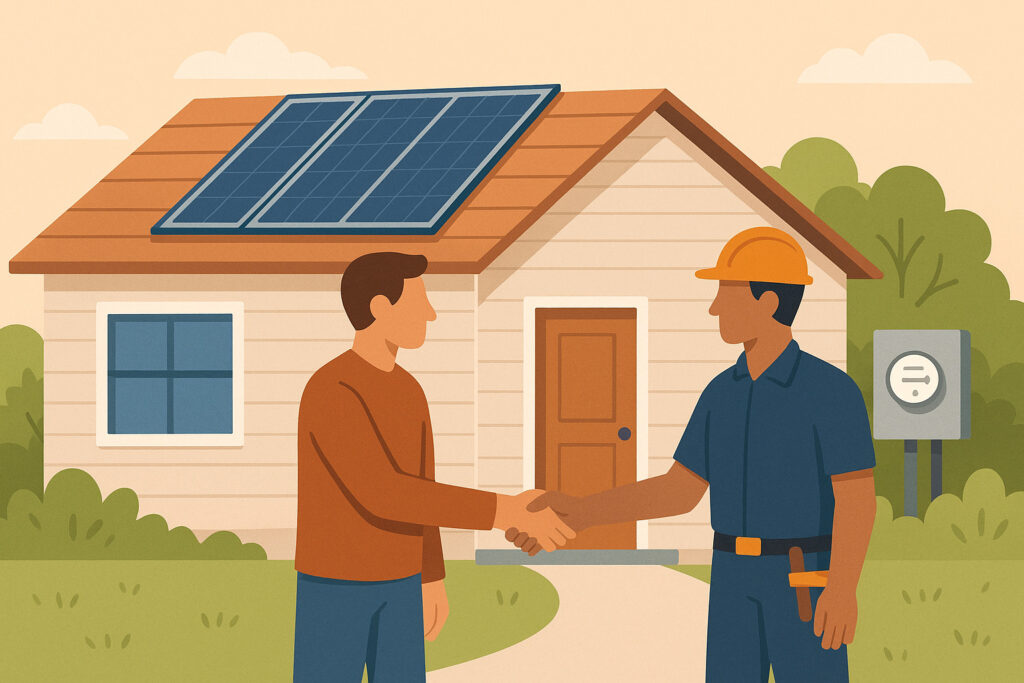
2. Choose Professional Installation If You…
- Want a hassle-free, turnkey solution
- Are installing a grid-tied system or need utility compliance
- Have access to solar incentives, tax credits, or green loans
- Prioritize long-term warranties and equipment performance
- Prefer working with trained and certified installers
- Need a system designed for complex roof structures or high energy demands
3. Ask Yourself These Questions
- What’s my budget and how much can I afford upfront?
- Am I eligible for any rebates or tax credits—and do they require a certified installer?
- Do I have the tools, skills, and time to install a system safely?
- Am I installing this on my home, business, or a remote location?
- Do I want long-term support, monitoring, and maintenance?
Hybrid Approach: A Middle Ground
Some homeowners opt for a hybrid approach, where they purchase the components themselves and then hire a licensed electrician or technician to do the final connections. This balances cost savings with safety and regulatory compliance.
✅ Pro Tip: If you’re confident in your setup but unsure about utility tie-in, hire a professional for the last stage only.
In the end, there’s no one-size-fits-all answer. Your choice should align with your technical ability, financial situation, property needs, and long-term energy goals. The good news is that either path—done right—can bring you closer to clean, renewable, and independent energy living.
Conclusion
Installing a solar power system is one of the most rewarding decisions a homeowner can make—both financially and environmentally. But how you go about it—DIY vs professional installation—is a critical decision that affects your upfront investment, long-term performance, and overall experience.
If you’re a hands-on enthusiast with time, tools, and technical confidence, a DIY solar setup could be a cost-effective and empowering project. It offers full control and substantial savings, especially for off-grid or small-scale systems. However, it also comes with challenges: safety risks, potential mistakes, and limited access to warranties or incentives.
On the other hand, choosing a professional solar installation ensures a safe, efficient, and compliant system. It may cost more, but the peace of mind, access to incentives, and long-term support often make it a smart investment—especially for grid-tied or high-capacity residential systems.
☀️ No matter which path you choose, the ultimate goal remains the same: to harness clean solar energy, reduce reliance on the grid, and invest in a sustainable future for you and your family.
Final Recommendation
- If you value precision, performance, and long-term reliability → go professional.
- If you’re cost-conscious, technically skilled, and comfortable with risk → DIY might be for you.
- And if you’re somewhere in the middle → consider a hybrid approach that balances both.