The Rise of Smart Solar Systems with IoT Monitoring
Introduction
In recent years, the global push toward sustainable energy has gained incredible momentum. Solar power has emerged as a frontrunner in the renewable energy race, offering a clean, abundant, and increasingly affordable source of electricity. But as with any evolving technology, innovation continues to push boundaries—and solar energy is no exception. The latest frontier? The integration of Internet of Things (IoT) technology into solar power systems, giving birth to what we now call smart solar systems.

Unlike traditional solar setups that operate passively, smart solar systems are proactive and intelligent. They leverage IoT-enabled sensors, real-time data analytics, and cloud-based platforms to optimize energy production, monitor performance, and even predict faults before they occur. This level of control and automation was unimaginable just a decade ago, and it’s transforming how homeowners, businesses, and utility providers think about solar energy.
As energy consumption continues to grow and climate change remains a pressing concern, the rise of smart solar systems offers a powerful solution—one that is efficient, cost-effective, and environmentally responsible. In this blog post, we’ll explore how IoT is reshaping the solar industry, the benefits of smart solar systems, real-world use cases, and what the future holds for this exciting technological convergence.
Table of contents
What Are Smart Solar Systems?
Smart solar systems are an evolution of traditional solar energy setups, enhanced by digital intelligence and connectivity. At their core, they still rely on solar panels to convert sunlight into electricity. However, what sets them apart is the integration of IoT (Internet of Things) devices, sensors, data analytics tools, and cloud connectivity to monitor and manage system performance in real time.

A typical smart solar system consists of:
- Photovoltaic (PV) Panels – capture sunlight and convert it to electricity.
- Inverters – convert DC power to usable AC power.
- Smart Meters and IoT Sensors – track energy production, usage, and system health.
- Cloud-based Monitoring Platforms – allow remote access via smartphones or computers.
- Battery Storage (optional) – stores excess energy for use during peak hours or outages.
These components work together to create a self-aware, self-optimizing energy solution that adapts to usage patterns, environmental changes, and grid requirements.
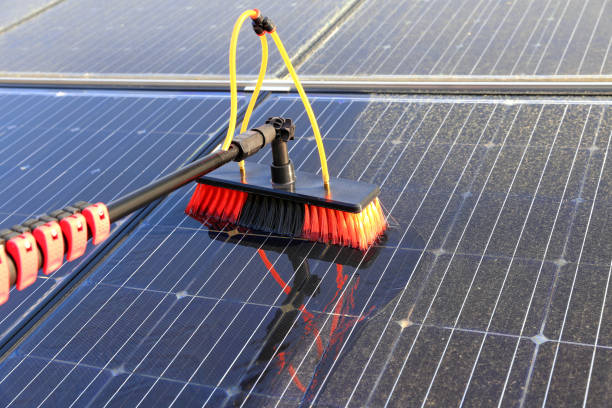
The goal of a smart solar system is not just to generate clean energy but to maximize its value through intelligent data analysis and responsive controls. For example, if a panel becomes dirty or underperforms due to shading, the system can notify the owner or even automatically adjust settings to compensate for the loss in efficiency.
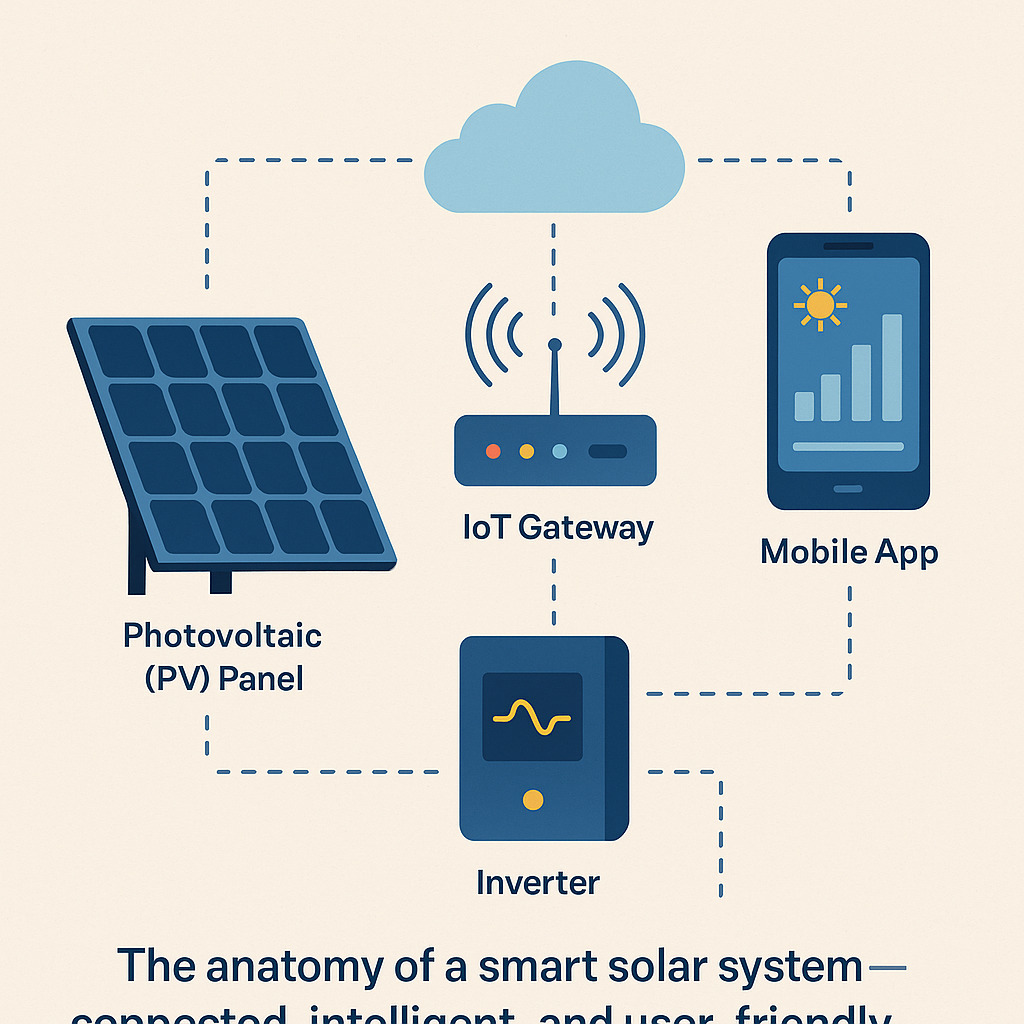
In essence, smart solar systems mark a shift from manual and reactive solar management to a predictive and automated energy ecosystem—paving the way for smarter homes, businesses, and cities. For a deeper understanding of how smart solar systems fit into various configurations, explore our guide on types of Solar Systems: Grid-Tied, Off-Grid, and Hybrid Systems
Understanding IoT in Solar Energy
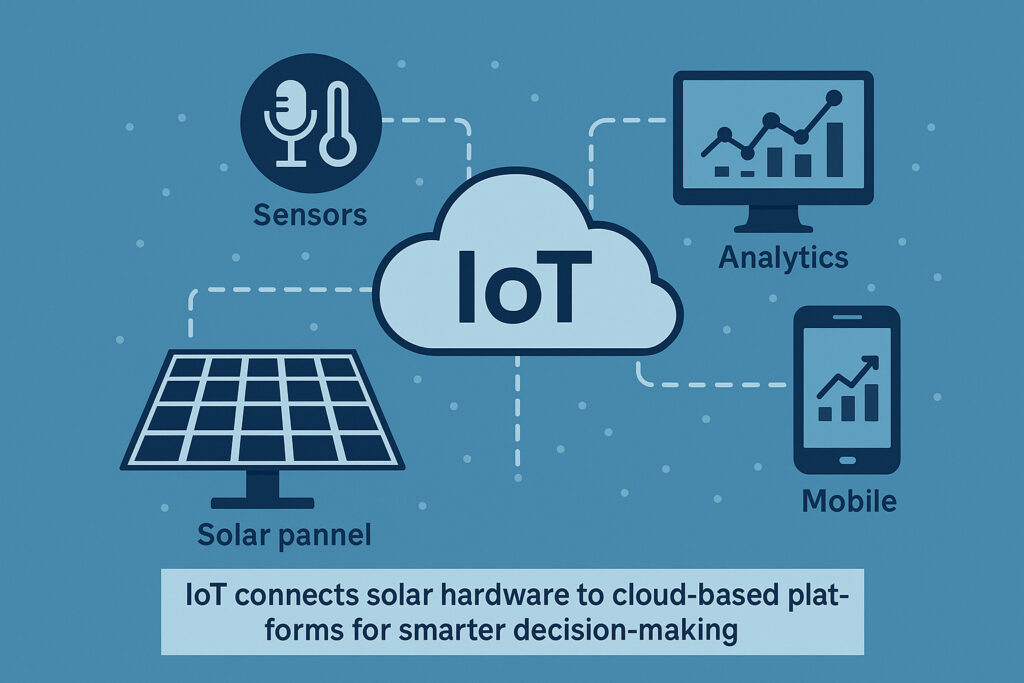
To truly appreciate the value of smart solar systems, it’s important to first understand the role of the Internet of Things (IoT) in solar energy. At its core, IoT refers to the network of interconnected devices that can collect, transmit, and analyze data in real time, often without human intervention. When applied to solar systems, this connectivity unlocks new levels of efficiency, control, and automation.
How IoT Works in Solar Systems
In a smart solar setup, IoT sensors and devices are installed throughout the system—on panels, inverters, batteries, and meters. These components continuously collect data on:
- Solar energy production levels
- System performance and efficiency
- Environmental conditions (sunlight intensity, temperature, shading)
- Battery storage and usage
- Grid export/import levels
This data is transmitted to a cloud-based monitoring platform, which processes it using advanced analytics and machine learning. Users can then access insights from anywhere via a web dashboard or mobile app.
Real-World Example:
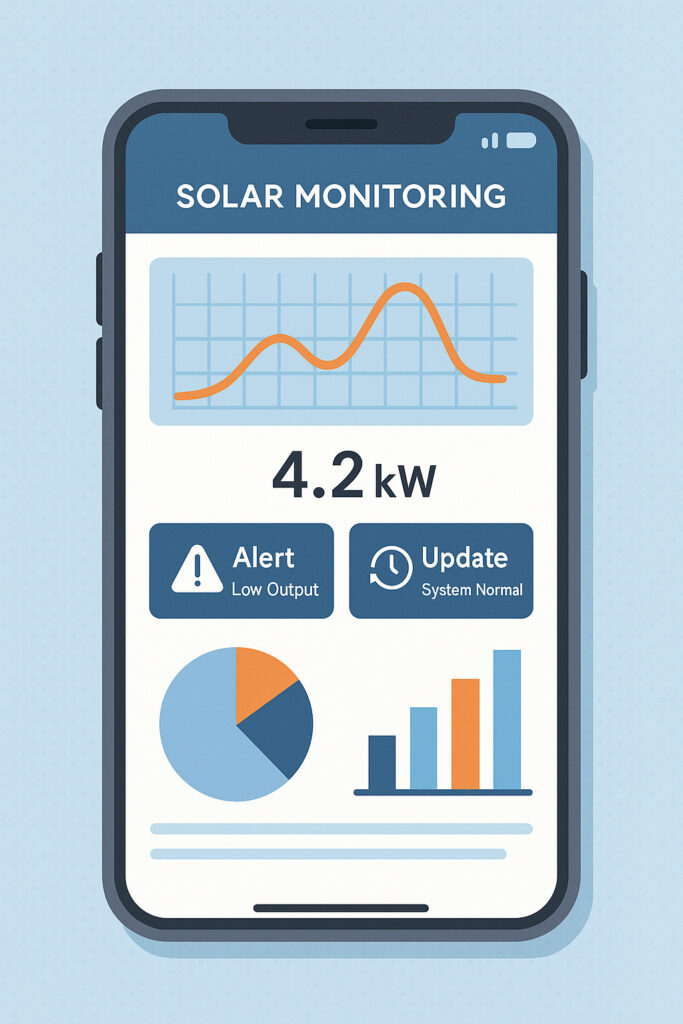
Imagine a household with a smart solar system. On a cloudy day, the system might detect a drop in sunlight and automatically pull energy from the battery reserve. If a panel underperforms due to debris, the system sends an alert for cleaning. Meanwhile, the homeowner can view energy trends, savings, and system health from their phone—all thanks to IoT.
IoT also empowers remote diagnostics and predictive maintenance. Solar installers or service providers can monitor multiple systems across locations, identify faults before they escalate, and perform updates remotely—saving time and reducing downtime.
In short, IoT transforms solar systems from passive energy producers into intelligent energy managers that adapt to both environmental conditions and user needs.

Key Features of IoT-Enabled Solar Systems
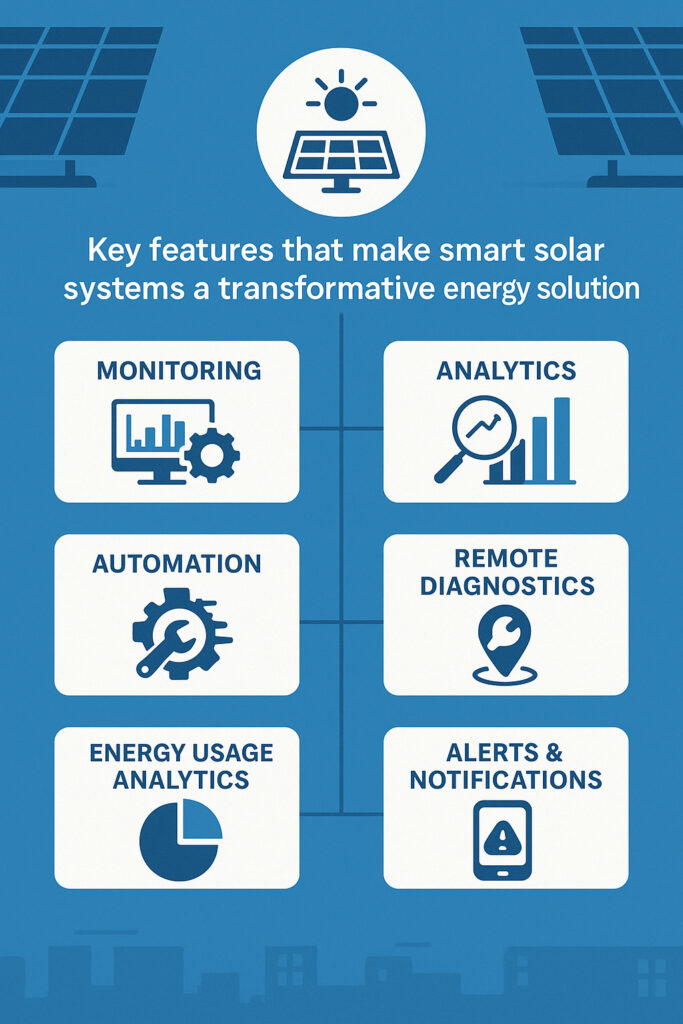
IoT-enabled solar systems offer a suite of advanced features that go far beyond traditional power generation. These features make the systems smarter, more responsive, and more efficient, ultimately giving users greater control over their energy use while minimizing maintenance and losses. To ensure your smart solar system is appropriately sized for your needs, refer to our Step-by-Step Guide on Sizing Your Solar System.
1. Real-Time Performance Monitoring
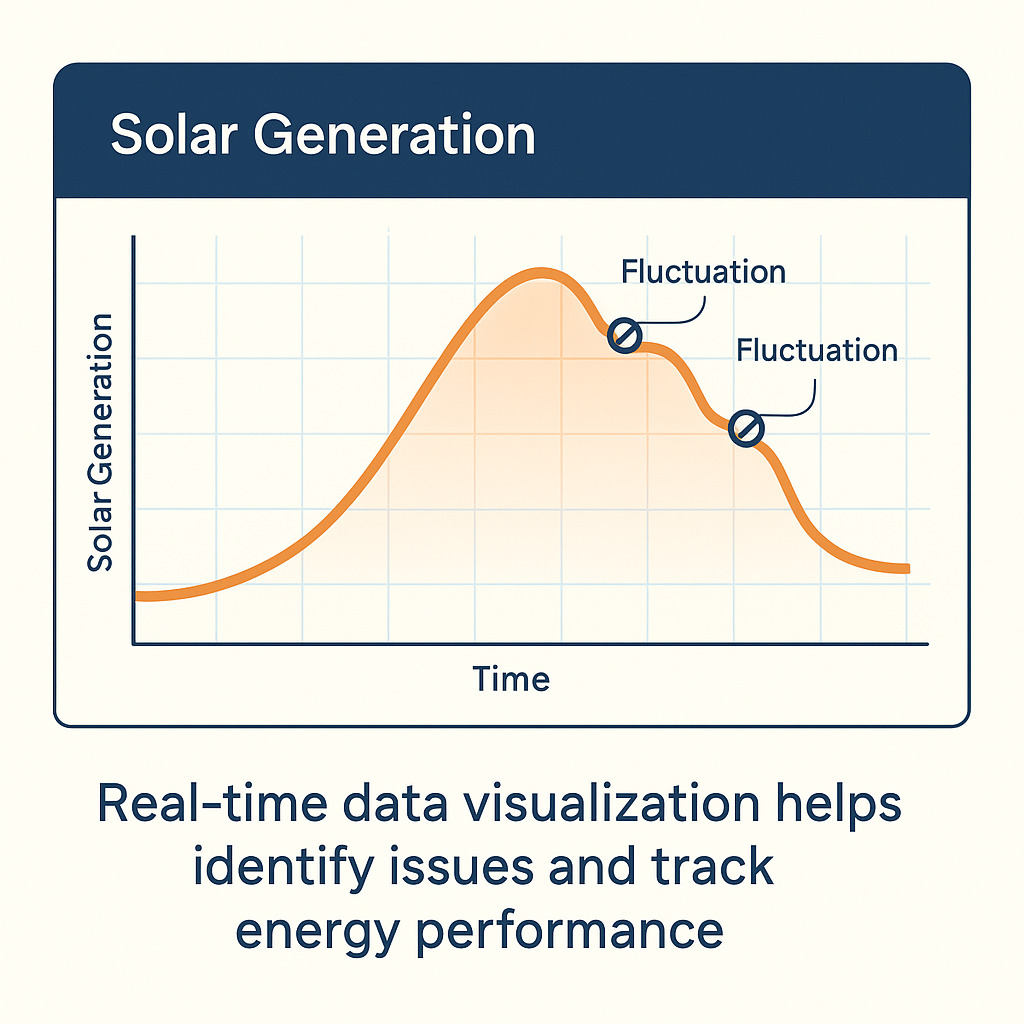
At the heart of every IoT-integrated solar system is the ability to track performance in real time. Users can view data on solar generation, consumption, and storage instantly, enabling timely decisions to optimize energy usage.
- Monitor how much energy is being generated at any moment.
- Compare daily, weekly, and monthly production trends.
- Identify unusual drops in performance before they become critical.
2. Remote Diagnostics and Maintenance
IoT sensors can detect anomalies like voltage drops, inverter failures, or panel degradation. With cloud-based platforms, technicians can remotely diagnose and even troubleshoot issues, reducing the need for physical inspections.
- Receive automated alerts when faults are detected.
- Allow service providers to resolve problems remotely.
- Minimize system downtime and maximize uptime.
3. Energy Usage Analytics
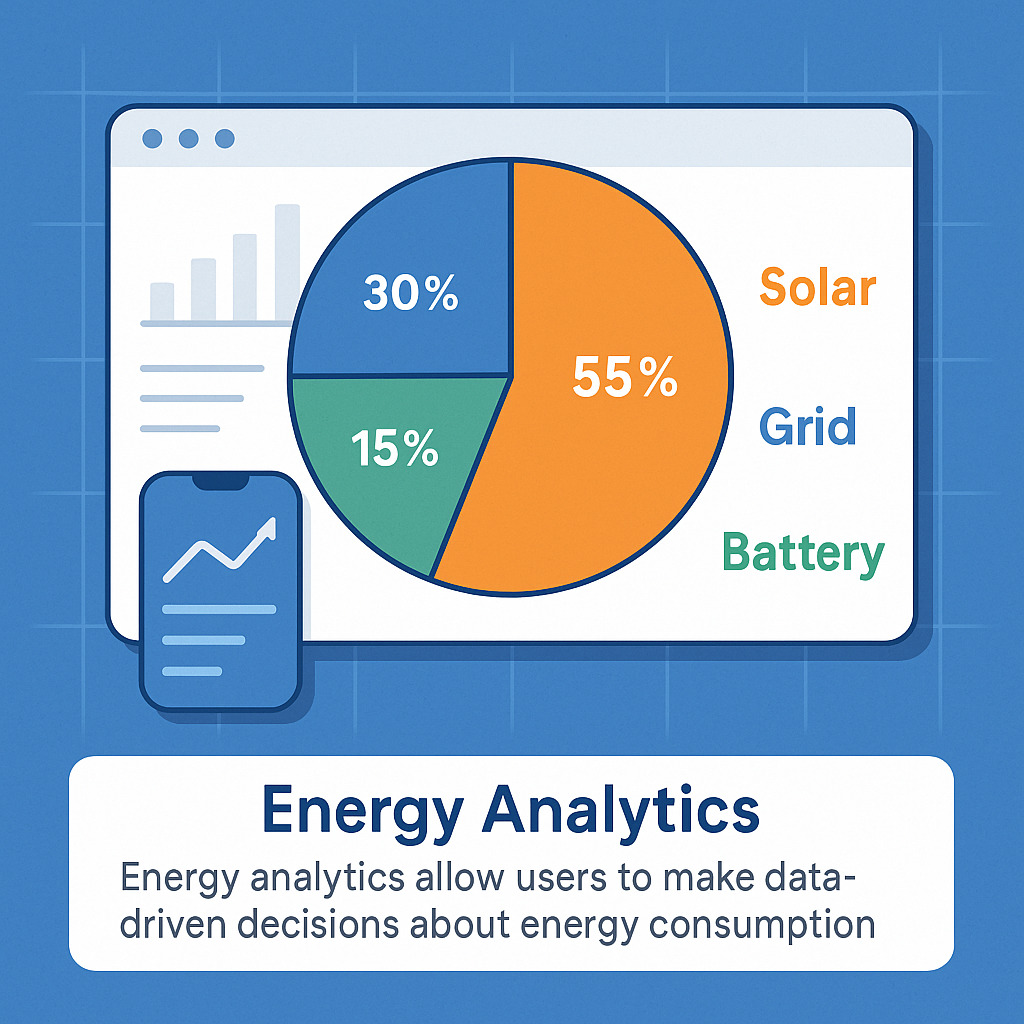
Smart solar systems provide detailed insights into how and when energy is used, allowing users to adjust behavior or appliances to improve efficiency.
- Track household or facility energy consumption hour by hour.
- Identify peak usage times and potential savings.
- Plan usage around periods of high solar production.
4. Automated Alerts and Notifications
Users are kept informed via instant alerts and push notifications. Whether it’s a dip in performance, a battery nearing full charge, or a panel needing cleaning, the system keeps users in the loop.
- Fault detection alerts
- Battery charge/discharge status
- Grid export/import updates
- Weather-related performance forecasts
5. Integration with Smart Home Systems
Many smart solar platforms can be integrated with home automation systems like smart thermostats, lighting, and EV chargers, creating a holistic smart energy environment.
- Automatically turn on appliances when solar production peaks.
- Optimize EV charging times to reduce costs.
- Sync battery usage with smart home preferences.
These features make IoT-enabled solar systems not just a power source, but a powerful energy management tool. The result is greater transparency, reduced waste, and a smarter way to live or do business.
Benefits of Smart Solar Systems
The integration of IoT into solar energy systems brings a host of advantages that make solar power not only more accessible, but also more efficient, cost-effective, and reliable. These benefits extend across residential, commercial, and industrial users, and contribute to broader goals like sustainability and energy independence. Avoid common pitfalls in your solar journey by reading our Top 7 Mistakes Newbies Make When Going Solar.
1. Increased Efficiency and Performance
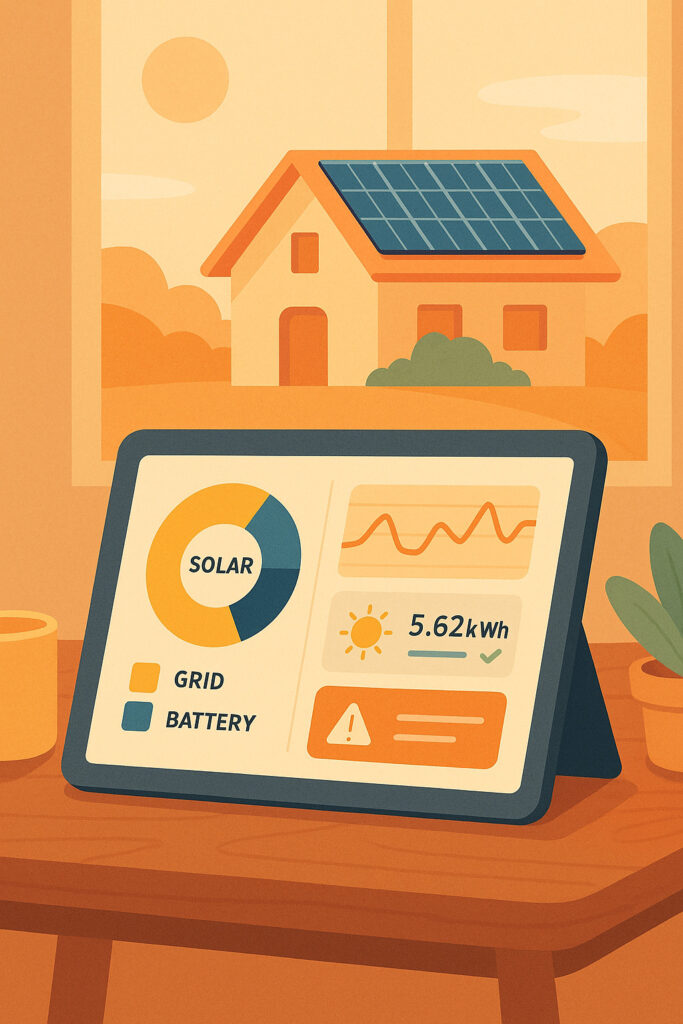
Smart solar systems constantly monitor performance and detect inefficiencies in real time. This allows for automatic adjustments and early intervention, ensuring panels operate at peak output.
- Pinpoint underperforming panels or components
- Optimize energy conversion and reduce waste
- Boost long-term energy yield
2. Cost Savings and Faster ROI
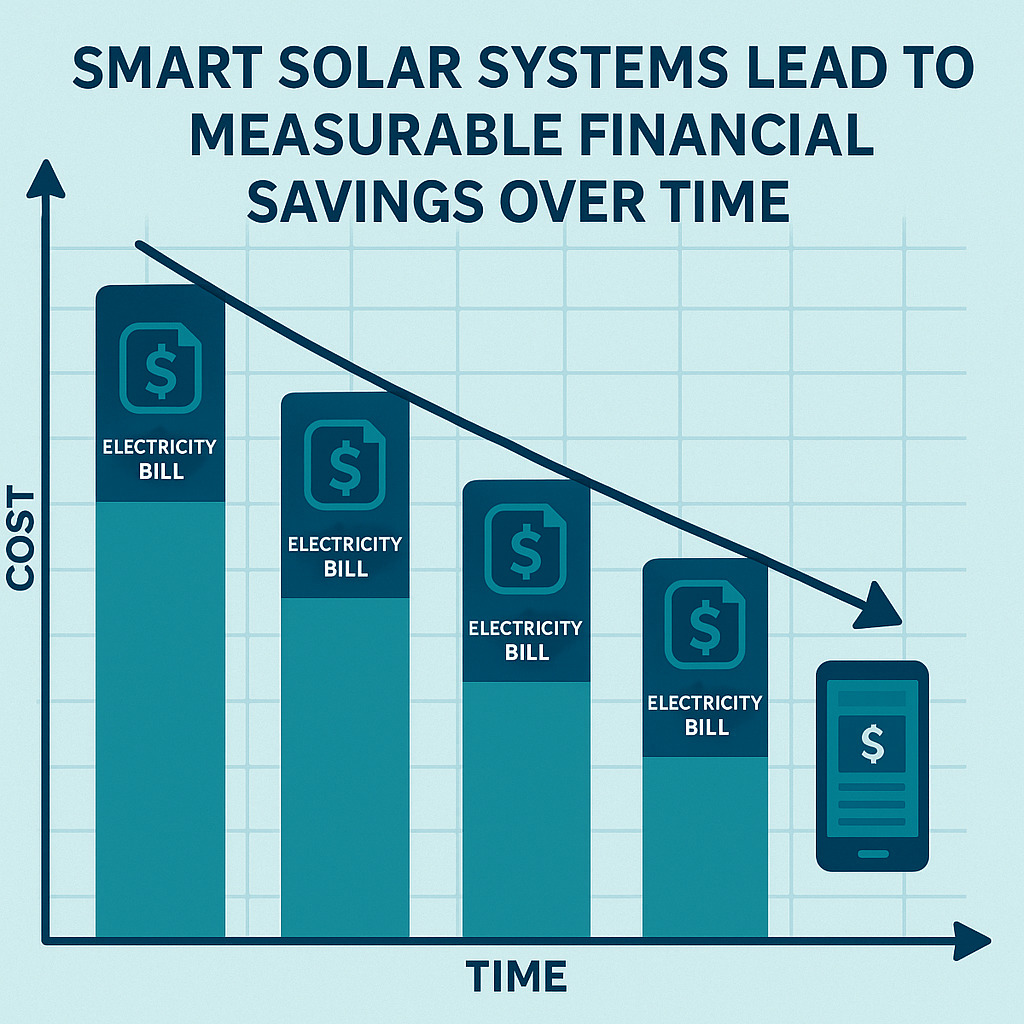
By optimizing energy production and usage, smart systems reduce electricity bills and enhance the return on investment (ROI). Users can also take advantage of demand-side management and peak shaving strategies.
- Lower utility costs by maximizing self-consumption
- Extend the lifespan of system components through predictive maintenance
- Avoid costly downtime with remote issue resolution
3. Enhanced User Experience and Control
Gone are the days of passive energy generation. With real-time dashboards and mobile apps, users can track, control, and customize their energy systems from anywhere.
- Access energy data anytime, from any device
- Set preferences for battery usage, grid export, or appliance control
- Receive personalized recommendations to improve efficiency
4. Sustainability and Environmental Impact
By improving system uptime and reducing energy waste, smart solar systems amplify the environmental benefits of going solar.
- Reduce carbon emissions more effectively
- Encourage smarter energy consumption habits
- Align with green building and ESG (Environmental, Social, and Governance) goals

5. Support for Smart Grids and Energy Sharing
Smart solar systems are grid-aware, making them ideal for integration with smart grids and peer-to-peer energy trading platforms.
- Export excess energy intelligently based on grid demand
- Participate in virtual power plants (VPPs) or local energy communities
- Enable future-ready energy solutions like vehicle-to-grid (V2G) integration
By combining sustainability with digital intelligence, smart solar systems offer a compelling value proposition for today’s energy-conscious consumers and businesses alike
Popular Use Cases and Applications
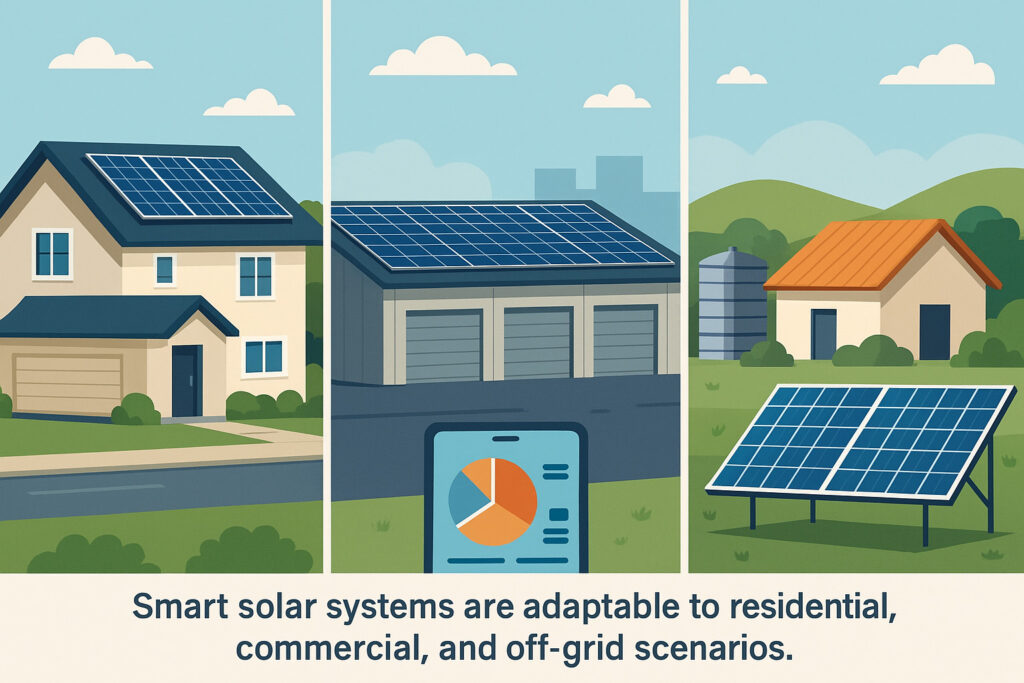
Smart solar systems are no longer just experimental or niche technologies—they’re being actively deployed across a wide range of settings, from individual homes to large-scale commercial and industrial operations. Their flexibility, scalability, and data-driven advantages make them a powerful solution in diverse environments. Learn how net-metering policies in Zimbabwe can enhance the benefits of smart solar systems in our article on ZESA’s Promotion of Solar Net-Metering.
1. Residential Rooftops
Homeowners are increasingly turning to smart solar systems to reduce utility bills, gain energy independence, and support sustainable living. With IoT integration, residents can monitor energy generation and usage in real time, control battery storage, and even automate appliances based on solar availability.
- Monitor household consumption via mobile apps
- Pair with smart thermostats and EV chargers
- Get alerts for cleaning, shading, or maintenance needs
2. Commercial and Industrial Buildings
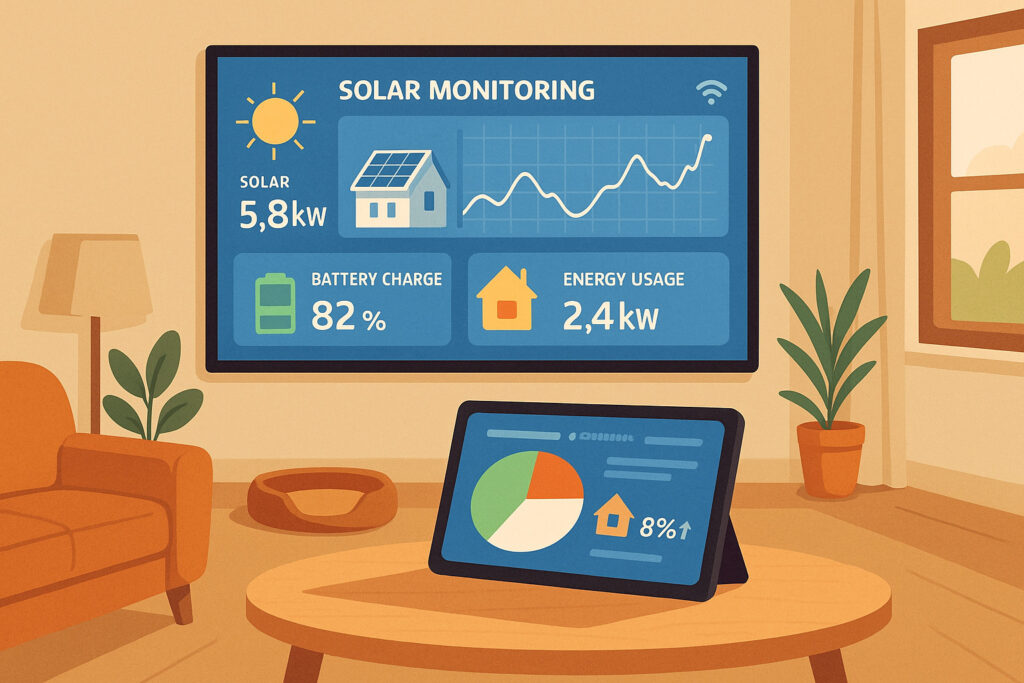
Businesses benefit from smart solar systems through energy savings, operational insights, and sustainability certifications. Manufacturing plants, office buildings, shopping malls, and warehouses are ideal candidates for these systems, especially when high energy demands need optimization.
- Automate peak shaving to reduce demand charges
- Gain visibility into energy usage across departments
- Comply with ESG and green building standards
3. Remote and Off-Grid Locations
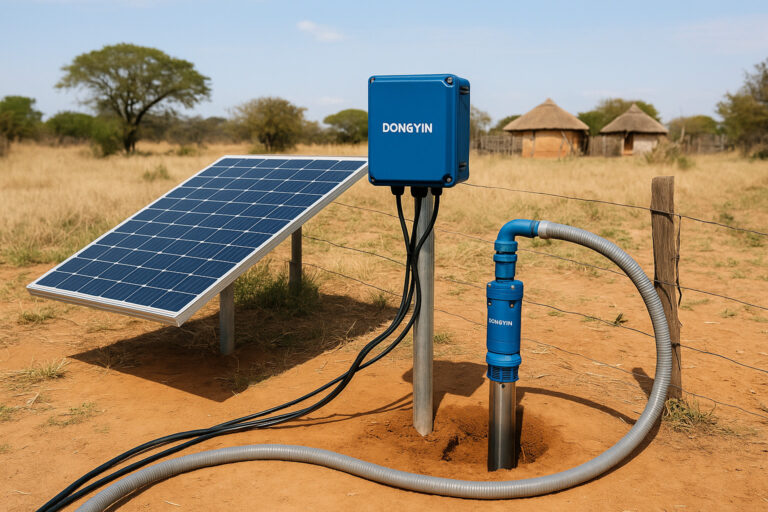
In areas without stable grid access—such as rural villages, mining sites, or mobile clinics—smart solar systems play a critical role. The ability to remotely monitor and maintain systems means fewer physical site visits and better uptime, even in hard-to-reach locations.
- Enable solar microgrids and community power hubs
- Monitor battery health and solar output remotely
- Reduce dependence on diesel generators
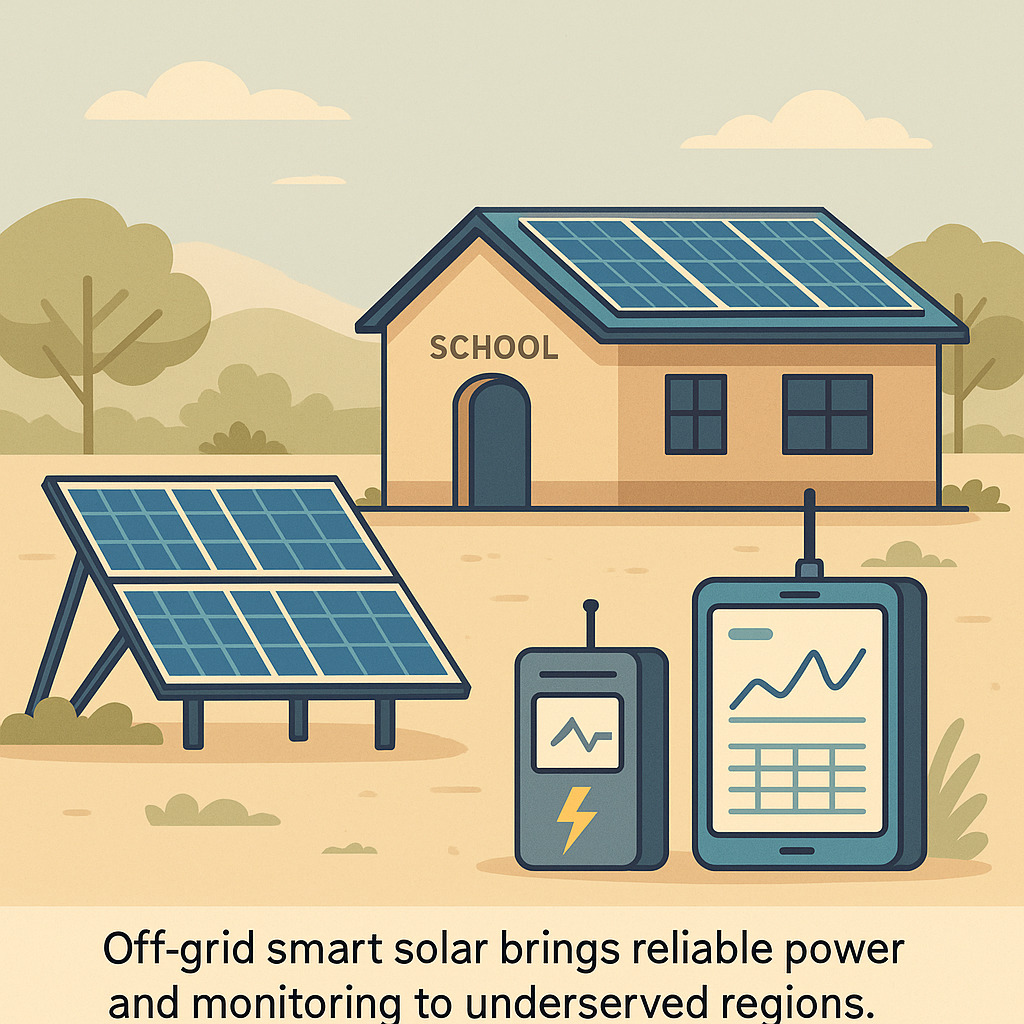
4. Educational and Government Institutions
Schools, hospitals, and government buildings are adopting smart solar not just for cost savings, but also to serve as role models for energy innovation. Data collected from these systems can be used for educational purposes or policy planning.
- Teach students about renewable energy and data science
- Power mission-critical services with backup readiness
- Provide public dashboards to promote transparency
Smart solar systems are proving their value across various sectors, showing that intelligent energy management is not only feasible—it’s fast becoming essential.
Challenges and Considerations
While smart solar systems offer numerous benefits, they also come with certain challenges and considerations that must be addressed to ensure successful implementation and long-term performance. Understanding these limitations is crucial for homeowners, businesses, and policymakers aiming to invest in or promote smart solar adoption. Deciding between a DIY installation and professional setup? Our article on DIY Solar Installation vs Professional Setup outlines the pros and cons of each approach.
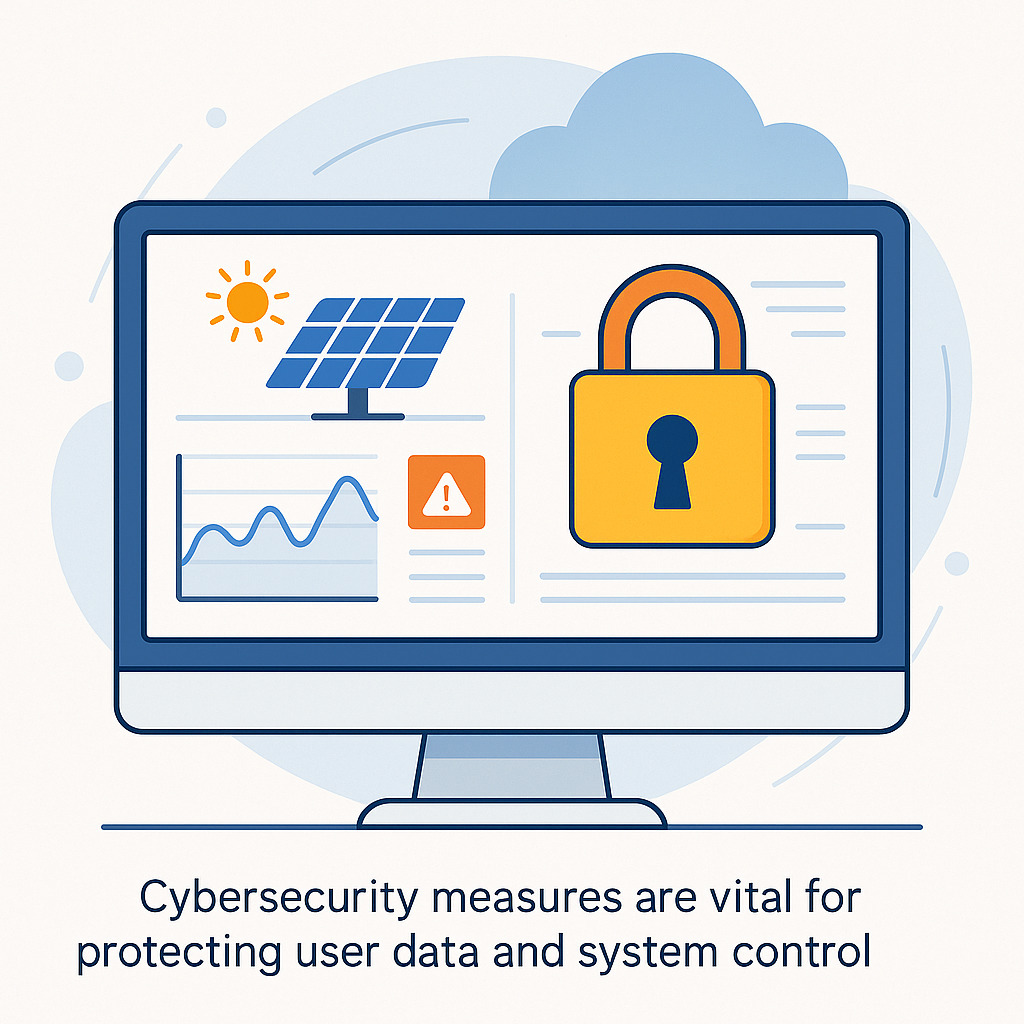
1. Data Privacy and Cybersecurity
Since smart solar systems rely on constant data transmission and remote access, they are susceptible to cybersecurity risks. Unprotected networks can become targets for unauthorized access, potentially leading to data leaks or even manipulation of energy systems.
- Systems must have end-to-end encryption and secure authentication.
- Regular firmware updates and vulnerability scans are essential.
- Users should avoid default passwords and insecure Wi-Fi networks.
2. Initial Investment and ROI Timeline
Smart solar setups typically cost more than traditional systems due to the added sensors, controllers, and cloud services. While long-term savings often outweigh these costs, the higher upfront investment can be a barrier, especially in emerging markets.
- Government incentives or green loans can help bridge this gap.
- ROI depends on system size, location, and energy usage patterns.
- Costs are gradually declining as IoT hardware becomes more mainstream.
3. Dependence on Internet Connectivity
For smart solar systems to function effectively, reliable internet access is a must. In rural or off-grid areas, unstable connectivity can disrupt real-time monitoring and remote control capabilities.
- Offline data buffering or periodic sync can help mitigate this.
- Hybrid solutions using GSM or satellite connectivity may be needed.
- Critical alerts should have fallback options like SMS notifications.
4. System Complexity and User Learning Curve
While automation simplifies energy management, the technical nature of smart solar systems may overwhelm some users, especially those unfamiliar with digital tools or mobile apps.
- User-friendly interfaces and intuitive dashboards are essential.
- Training and support from installers can ease onboarding.
- Simplified “plug-and-play” systems are improving accessibility.
5. Interoperability and Vendor Lock-In
Some IoT-enabled systems are built using proprietary platforms, which may limit compatibility with other smart home devices or energy providers. This can create dependency on a single vendor and restrict flexibility.
- Choose systems that support open standards and APIs.
- Ensure long-term support and warranty from the provider.
- Ask about third-party integrations before purchase.
While these challenges are real, they are not insurmountable. With proper planning, secure design, and supportive policy frameworks, the benefits of smart solar systems can far outweigh the risks.
The Future of Solar + IoT
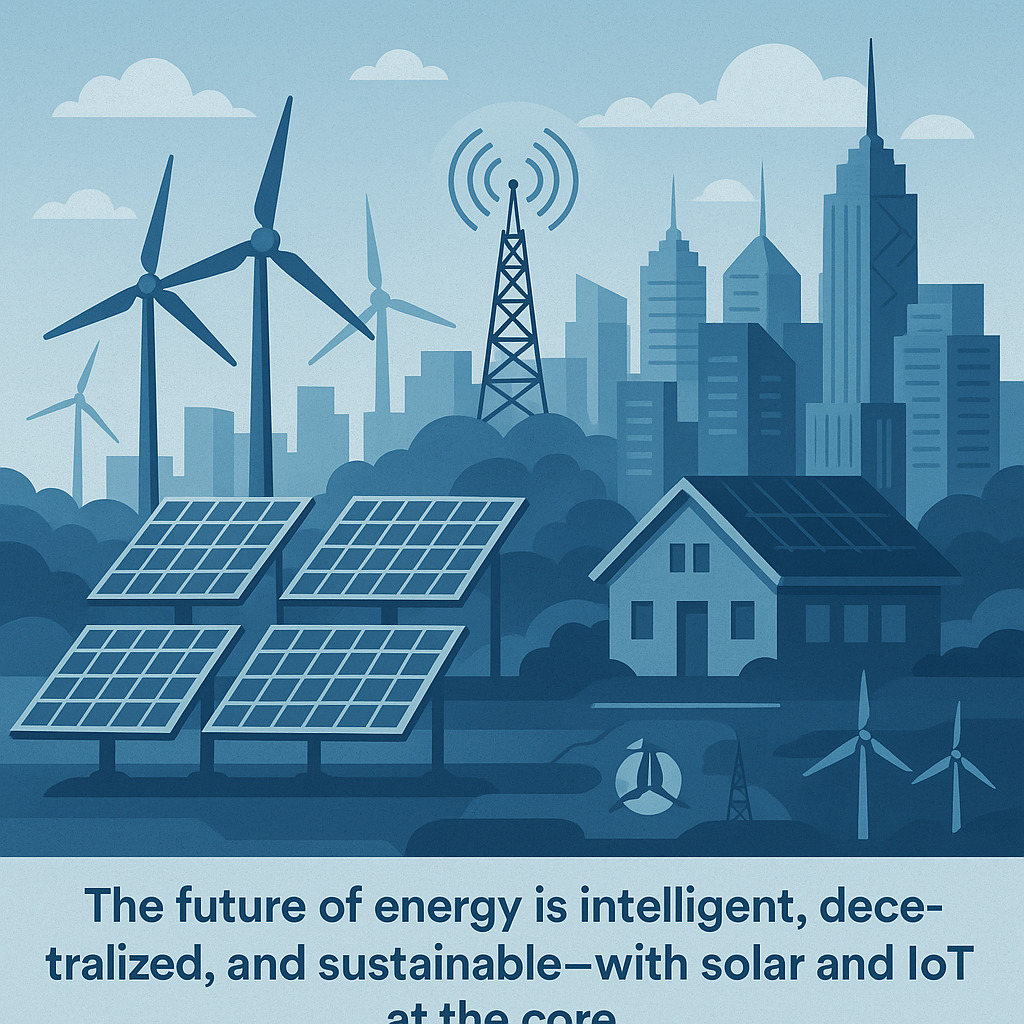
The fusion of solar energy with IoT is still in its early stages, but it is already reshaping the energy landscape in powerful ways. As both technologies continue to evolve, we can expect even smarter, more autonomous, and interconnected energy systems that go far beyond what is currently possible.
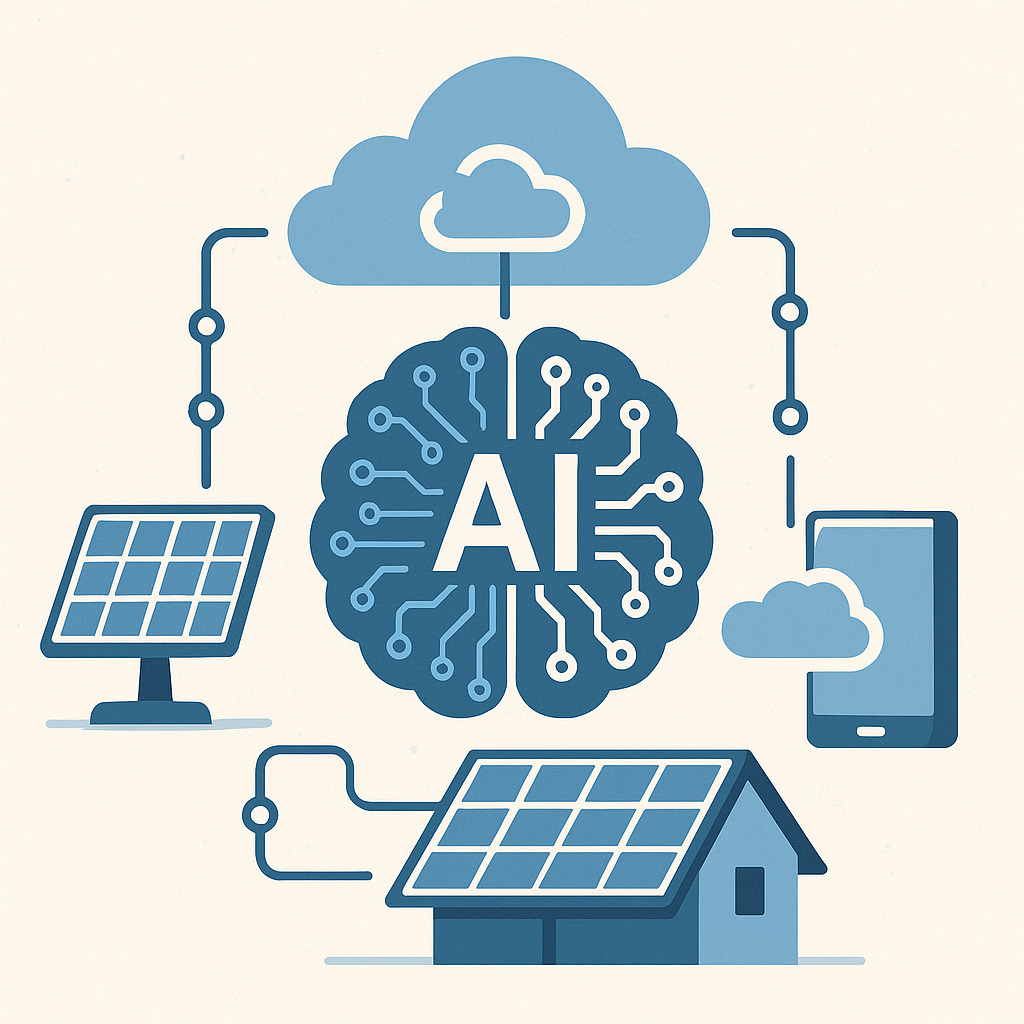
1. AI-Powered Predictive Analytics
The next generation of smart solar systems will be driven by artificial intelligence (AI) and machine learning algorithms. These systems will not only monitor performance but also predict failures, optimize output, and self-adjust in real time.
- Forecast solar generation based on weather data
- Predict component degradation and schedule maintenance
- Automatically adjust battery and grid usage for cost savings
2. Deeper Integration with Smart Grids
As smart grids become more widespread, smart solar systems will play a key role in balancing supply and demand, stabilizing grid performance, and even trading excess energy with other users.
- Dynamic energy pricing based on grid demand
- Real-time grid feedback to control energy export/import
- Participation in virtual power plants (VPPs)
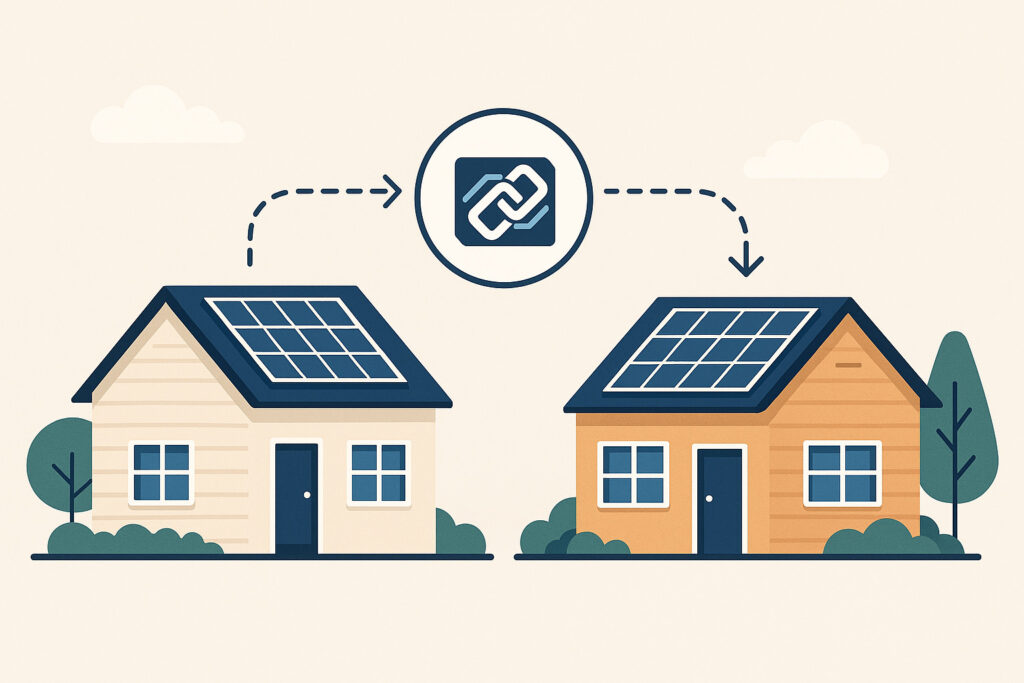
3. Peer-to-Peer Energy Trading
Blockchain and IoT technologies will soon enable homeowners and businesses to sell excess solar energy directly to neighbors or local microgrids, without needing central utility companies.
- Transparent, decentralized energy exchanges
- Boost local energy resilience and affordability
- Create community-driven energy ecosystems
4. Smart Cities and Energy Autonomy
In the broader vision of smart cities, solar + IoT systems will work alongside other technologies—like EV chargers, traffic sensors, and energy-efficient buildings—to create autonomous energy zones.
- Streetlights powered and controlled by smart solar
- Public buildings with self-optimizing energy systems
- Real-time energy dashboards for civic planning
5. Energy-as-a-Service (EaaS)
The rise of subscription-based solar services is expected to grow, where users pay only for the energy they use, and the service provider manages all hardware, maintenance, and upgrades—powered by IoT analytics.
- Lower upfront costs for users
- Continuous optimization by service providers
- Flexible plans based on real usage patterns
The future of solar and IoT is not just about generating energy—it’s about managing, sharing, and optimizing it in ways that were never before possible. As these technologies mature, they will pave the way for a more resilient, inclusive, and sustainable energy future for all.
Frequently Asked Questions (FAQs)
1. What is the difference between a traditional solar system and a smart solar system?
A traditional solar system passively generates electricity, often with limited or no monitoring. A smart solar system integrates IoT sensors, cloud platforms, and real-time analytics to actively monitor, control, and optimize energy generation and usage.
2. Do I need the internet for a smart solar system to work?
Yes, most smart features—like remote monitoring, real-time alerts, and automated updates—require internet connectivity. However, some systems include limited offline functionality and data buffering.
3. Can smart solar systems work with battery storage?
Absolutely. Smart solar systems often include battery integration to store excess energy and intelligently manage when to charge or discharge based on consumption and pricing patterns.
4. Is it difficult to install or upgrade to a smart solar system?
Most modern solar providers offer smart options as part of their packages. Upgrading an existing system may require adding IoT-enabled inverters, sensors, or smart meters, but it’s generally straightforward with professional help.
5. Are smart solar systems secure?
Yes, but like any connected technology, they must be secured properly. Choose providers that offer encryption, secure cloud services, regular firmware updates, and strong authentication methods.
6. Will a smart solar system save me more money?
Yes. By optimizing energy use, reducing inefficiencies, and enabling smart consumption, many users experience greater cost savings and a faster return on investment than with traditional systems.
Conclusion
The rise of smart solar systems marks a pivotal shift in how we produce, manage, and interact with energy. By combining the clean power of solar energy with the intelligence and connectivity of IoT, users are now able to maximize efficiency, cut costs, and contribute to a more sustainable planet—all while gaining unparalleled control and visibility over their energy systems.
Whether you’re a homeowner seeking independence from the grid, a business aiming to reduce operational costs, or a developer planning smart infrastructure, IoT-enabled solar systems offer a future-ready solution. As technology continues to evolve, these systems will become even more intelligent, autonomous, and accessible.
Now is the time to embrace the smart solar revolution—where energy is not just generated, but intelligently managed.