Regular power inverters vs hybrid inverters
Power outages are a frustrating reality for many. Whether it’s a planned maintenance or an unexpected blackout, losing power can disrupt your life significantly. This is where power inverters come in, offering a backup power solution to keep essential appliances running. But with different types available, how do you choose the right one? This blog post will break down the key differences between regular power inverters and hybrid inverters to help you make an informed decision.
Table of contents
What is a Regular Power Inverter?

A regular power inverter converts DC power from a battery (typically a 12V battery) to AC power, which can then be used to run your appliances. Think of it as a bridge between your battery and your devices. When the mains power goes out, you can switch over to the inverter and power select devices. These were the first to got into the market when the whole idea of solar systems first came to life.
Advantages of Regular Power Inverters:
- Cost-Effective: Regular inverters are generally more affordable than hybrid inverters, making them a budget-friendly option for basic backup power needs.
- Simple Setup: They are relatively easy to install and use, requiring minimal technical knowledge.
- Widely Available: You can find regular inverters at most electronics stores and online retailers.
Disadvantages of Regular Power Inverters:
- Limited Functionality: They primarily function as a backup power source and don’t offer the advanced features of hybrid inverters.
- Manual Switching: Often, you need to manually switch between mains power and the inverter, which can be inconvenient during a sudden outage.
- Battery Dependence: They rely solely on the battery for power, meaning the backup time is limited by the battery’s capacity.
What is a Hybrid Inverter?
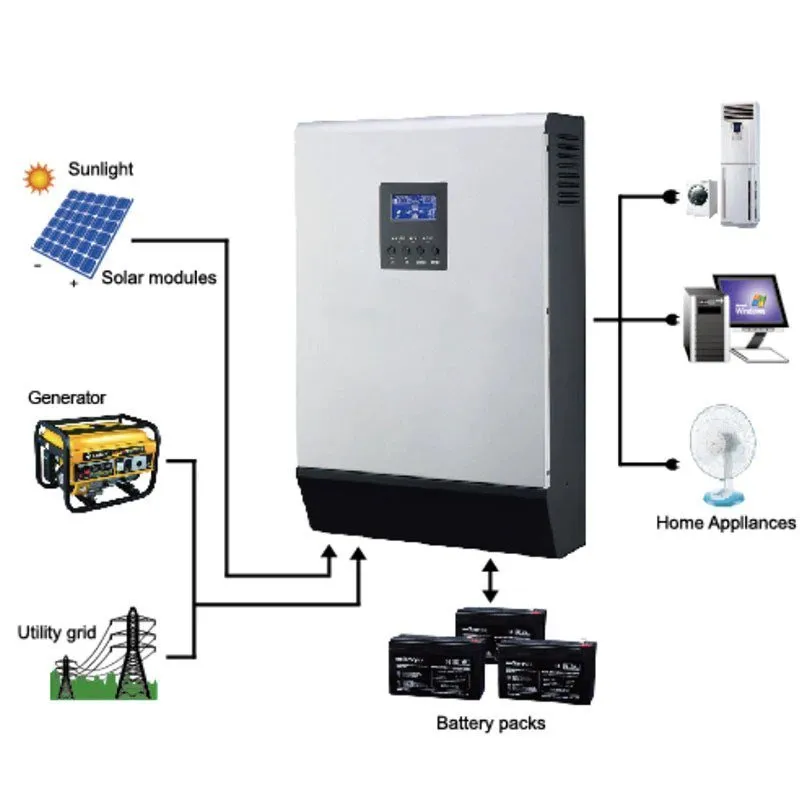
A hybrid inverter, also known as a multi-mode inverter, is a more sophisticated device that combines the functionality of a regular inverter with other features, often including a built-in battery charger and the ability to connect to renewable energy sources like solar panels directly without the need of an additional controller to charge your batteries.
Advantages of Hybrid Inverters:
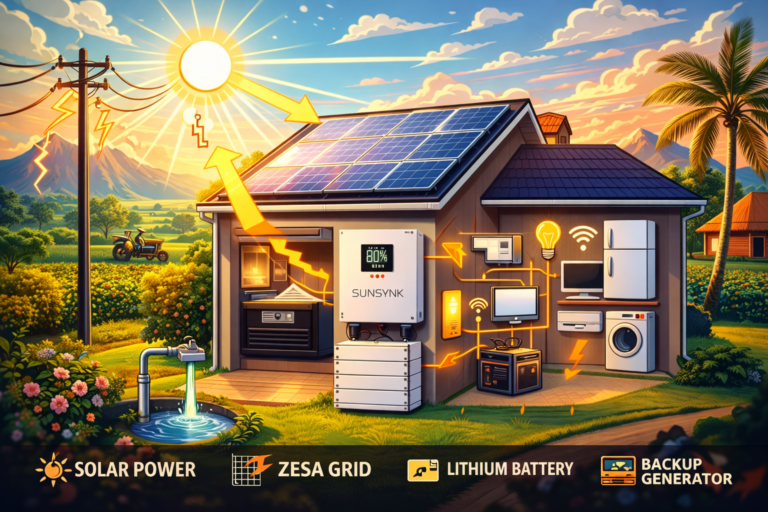
- Multiple Power Sources: Hybrid inverters can draw power from the grid, batteries, and renewable energy sources, offering greater flexibility and energy independence. This allows you to even recharge your batteries with the grid incase of limited sunshine due to bad weather conditions.
- Automatic Switching: They typically feature automatic switching between grid power and battery backup, ensuring a seamless transition during power outages. In other words you can setup an Uninterupted Power Supply (UPS) with a hybrid inverter
- Smart Features: Many hybrid inverters offer advanced features like battery management, monitoring, and even Wi-Fi connectivity for remote control.
- Scalability: Hybrid systems can be scaled up by adding more batteries or solar panels as your energy needs grow.
- Potential for Cost Savings: By utilizing solar power, you can reduce your reliance on the grid and potentially save on electricity bills.
Disadvantages of Hybrid Inverters:
- Higher Cost: Hybrid inverters are generally more expensive than regular inverters.
- More Complex Installation: Setting up a hybrid system, especially with solar panels, can be more complex and may require professional installation. Get in touch with us for a faster and more reliable connection.
Which One Should You Choose?
The best choice for you depends on your individual needs and budget. I would say
- Choose a Regular Inverter if: You need a basic, affordable backup power solution for essential appliances and are comfortable with manual switching. This is a good option for short outages and limited power needs.
- Choose a Hybrid Inverter if: You want a more comprehensive and flexible power solution, including automatic switching, the potential for renewable energy integration, and advanced features. This is a better option for frequent or longer outages, and for those looking for greater energy independence and potential long-term cost savings.
Conclusion
Both regular and hybrid power inverters offer valuable solutions for dealing with power outages. Understanding their differences will help you choose the right one for your specific needs and budget. Consider your power requirements, the frequency and duration of outages in your area, and your budget before making a decision. If you’re considering a hybrid inverter system, it’s always best to consult with a qualified electrician or solar installer to ensure proper installation and system design.