How to Maintain Your Solar Panels in Zimbabwe’s Dusty Climate
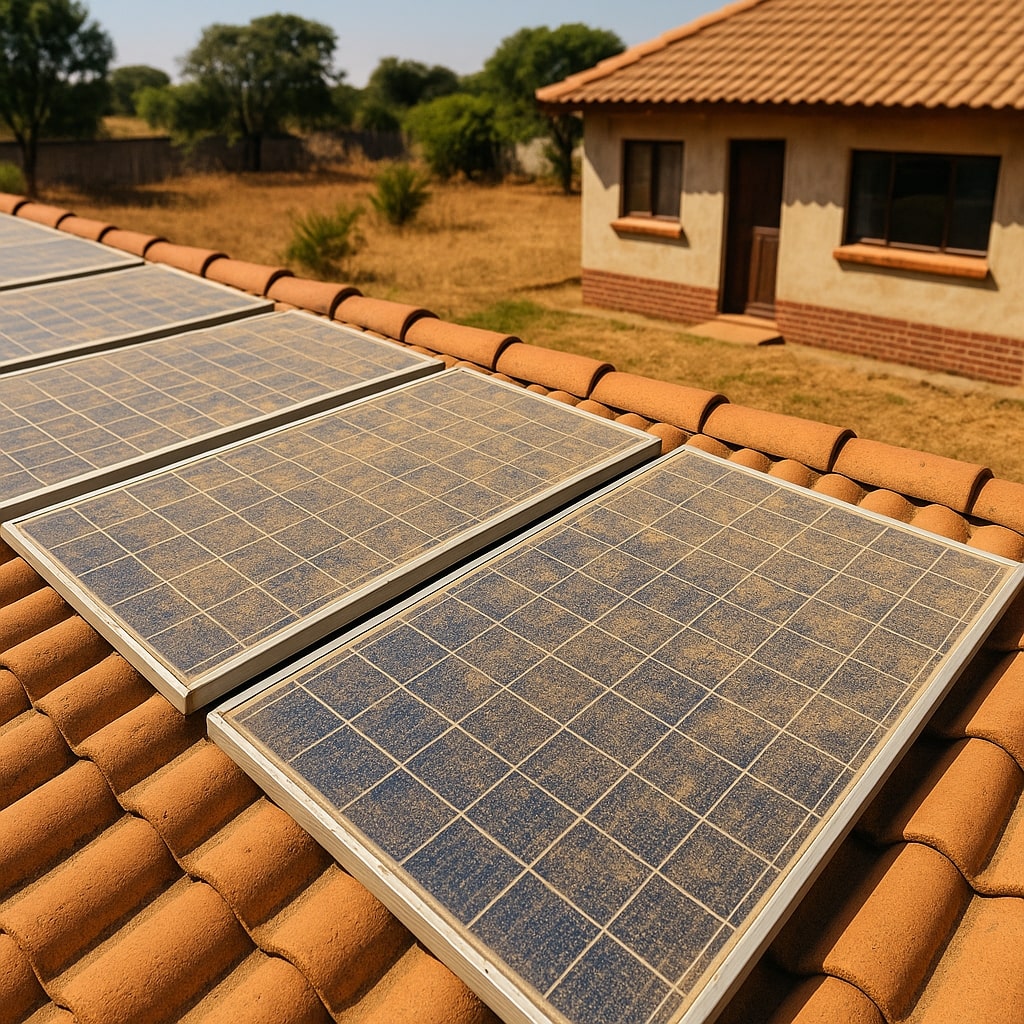
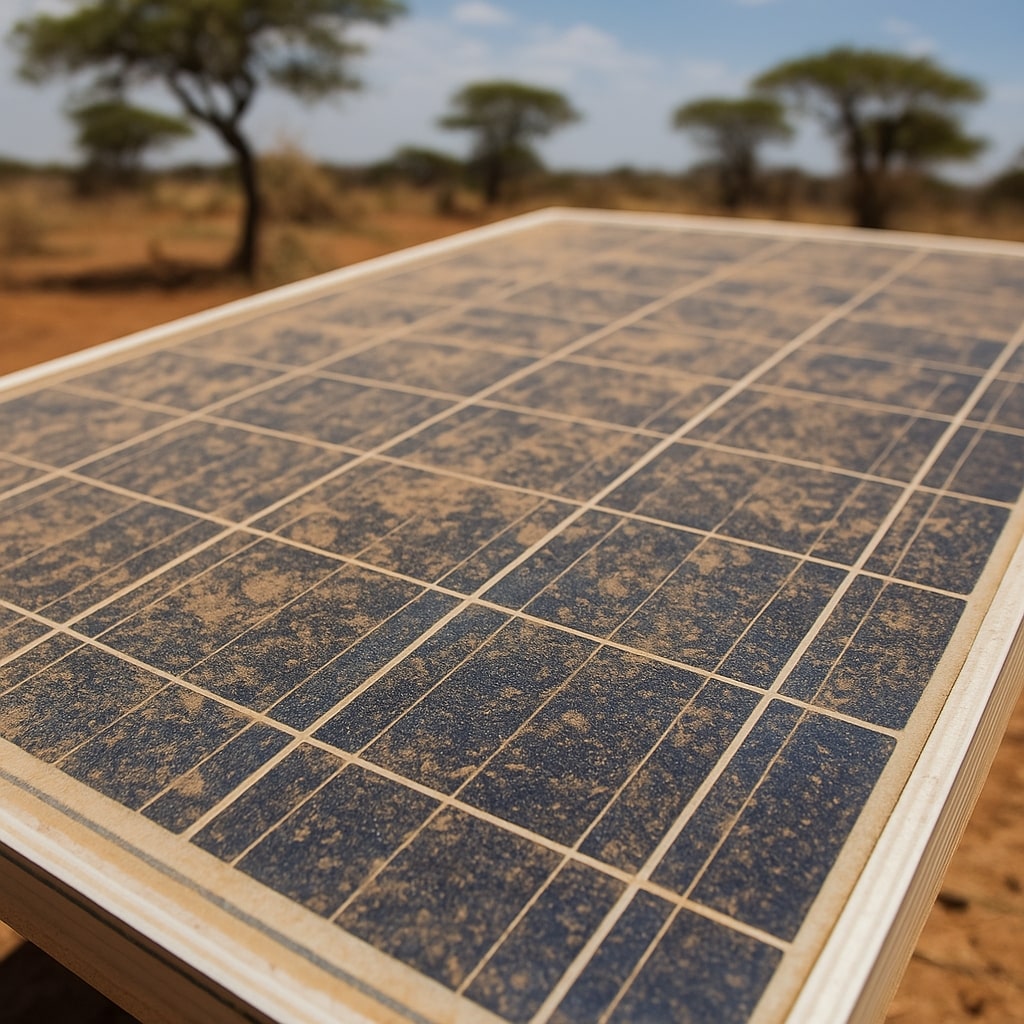
If you live in Zimbabwe, you know the story: it hasn’t rained for weeks, the air is filled with red dust, and when you finally look up at your solar panels, they’re wearing a thick, brown “blanket.” And just like that, your system’s performance drops.
Dust is sneaky. It doesn’t knock on the door; it settles quietly on your panels day by day, cutting off precious sunlight. For many homeowners, this is the hidden reason their solar system underperforms — not the inverter, not the batteries, but the plain old Zimbabwean dust.
So, how do you keep your panels shining and efficient in our climate? That’s exactly what we’re unpacking today.
Table of contents
- Why Dust Is a Big Deal in Zimbabwe
- Best Practices for Cleaning Solar Panels
- Protecting Panels Beyond Cleaning
- Monitoring Performance
- Professional vs DIY Maintenance
- FAQs: Maintaining Solar Panels in Zimbabwe
- Additional Maintenance Tips
- Table: Cleaning Methods vs Effectiveness
- Storytime: A Quick Anecdote
- Conclusion
Why Dust Is a Big Deal in Zimbabwe
Zimbabwe’s dry season runs long, and in areas like Gwanda, Masvingo, and parts of Harare, dust storms are almost routine. Dust buildup on panels can:
- Reduce energy output by 10–25% or more.
- Cause hotspots (when dirt heats parts of the panel unevenly).
- Shorten your panel’s lifespan if left unchecked.
Simply put: no matter how “high-tech” your panels are, they’re powerless under a thick coat of dust.
If you’re wondering about panel choices for Zimbabwe’s climate, see our guide on Monocrystalline vs Polycrystalline Solar Panels.
Best Practices for Cleaning Solar Panels
1. Frequency
- Urban homes (Harare, Bulawayo): Once every 4–6 weeks.
- Rural/farm areas (Masvingo, Gokwe): Every 2–3 weeks in dry season.
- Rainy season: Less frequent, as rain acts like nature’s wash.
2. Cleaning Methods
- Soft brush + water: Most effective for light dust.
- Microfiber cloths: Great for avoiding scratches.
- Avoid harsh detergents: They leave residue that attracts more dust.
Pro Tip: Clean in the early morning or late evening when panels are cool. Spraying cold water on hot panels can cause cracks.
For homeowners who like step-by-step systems, our Solar System Sizing Guide shows how to align cleaning routines with energy needs.
Protecting Panels Beyond Cleaning
Dust is one enemy, but it’s not alone. Panels in Zimbabwe also face:
- Bird droppings (yes, pigeons love your panels).
- Falling leaves and twigs.
- Occasional hail or lightning.
That’s where protection kits come in handy. They safeguard not just panels, but the entire system from environmental damage.
See our article on Solar System Protection Kits to understand why this small investment makes a big difference.
Monitoring Performance
Even with cleaning, you need to know if your panels are performing as expected.
- Manual checks: Compare your daily production before and after cleaning.
- Smart monitoring systems: Use apps that track energy output in real-time.
If output suddenly drops by more than 20%, it’s a red flag. Sometimes it’s dust; other times, it’s wiring, inverter, or even shading issues.
Learn more in All You Need to Know About Solar System Monitoring.
Professional vs DIY Maintenance
Not all maintenance should be DIY.
| Task | DIY | Professional |
|---|---|---|
| Dust cleaning | ✅ Yes | Not needed unless complex |
| Visual inspection (cracks, loose wiring) | ✅ Yes | ✅ Yes |
| Full electrical check | ❌ No | ✅ Required annually |
| Inverter diagnostics | ❌ No | ✅ Yes |
Think of it like servicing your car: you can wash it weekly, but you still need a mechanic once or twice a year.
Compare options in DIY Solar Installation vs Professional Setup.
FAQs: Maintaining Solar Panels in Zimbabwe
Q1: How much energy do I lose if I don’t clean my panels?
On average, 10–25%. In dusty rural areas, it can exceed 30%.
Q2: Can I use borehole water for cleaning?
Yes, but ensure it’s not too salty. High mineral content can leave stains. If unsure, wipe dry afterward.
Q3: Do rain showers clean panels enough?
Light rain helps but doesn’t remove sticky dirt or bird droppings.
Q4: How often should I service my solar system?
Panels: clean as needed. Full system check: once a year.
Q5: Will cleaning extend panel lifespan?
Yes. Dirt causes hotspots that can degrade cells. Regular cleaning keeps performance and longevity high.
Additional Maintenance Tips
- Trim Nearby Trees: Reduce shading and falling debris.
- Check Mounting Structures: Rust can creep in, especially in humid areas.
- Keep Batteries Healthy: Panels rely on storage too. Check Signs Your Solar Battery Needs Replacing.
- Inverter Care: Dust affects not only panels but also inverters. Read Factors That Affect the Life Span of a Solar Inverter.
Table: Cleaning Methods vs Effectiveness
| Method | Effectiveness | Best For | Drawbacks |
|---|---|---|---|
| Hose + soft brush | ⭐⭐⭐⭐ | General dust cleaning | Needs water access |
| Microfiber cloth | ⭐⭐⭐⭐ | Light dust, bird droppings | Time-consuming |
| Pressure washer | ⭐⭐⭐⭐⭐ | Heavy dust buildup | Risk of panel damage |
| Rainwater | ⭐⭐ | Light surface cleaning | Not reliable in dry season |
Storytime: A Quick Anecdote
Last year, I visited a farmer near Chivhu who was complaining his “expensive solar panels are useless.” Turns out, he hadn’t cleaned them once in six months. The panels looked like they were dipped in clay. After a proper wash, his output jumped by 40% overnight. He laughed and said, “I thought dust was free, not this expensive.”
Lesson? A little cleaning can save you thousands in “lost power.”
Conclusion
Maintaining your solar panels in Zimbabwe’s dusty climate is less about hard work and more about consistency. Clean regularly, monitor performance, protect your system, and don’t shy away from professional servicing.
Remember: your panels are like windows. The cleaner they are, the more sunlight they let in — and the more power you get.
So, here’s the challenge: when was the last time you cleaned your solar panels? If it’s been more than a month, maybe it’s time to grab that brush.
For more insights, explore our blog on Top 7 Mistakes Newbies Make When Going Solar.