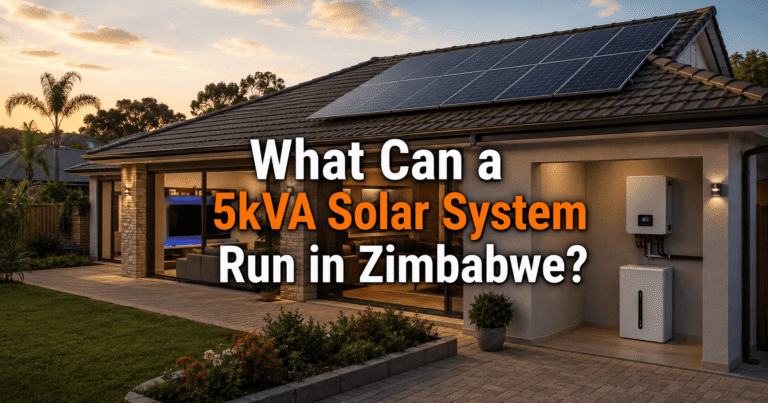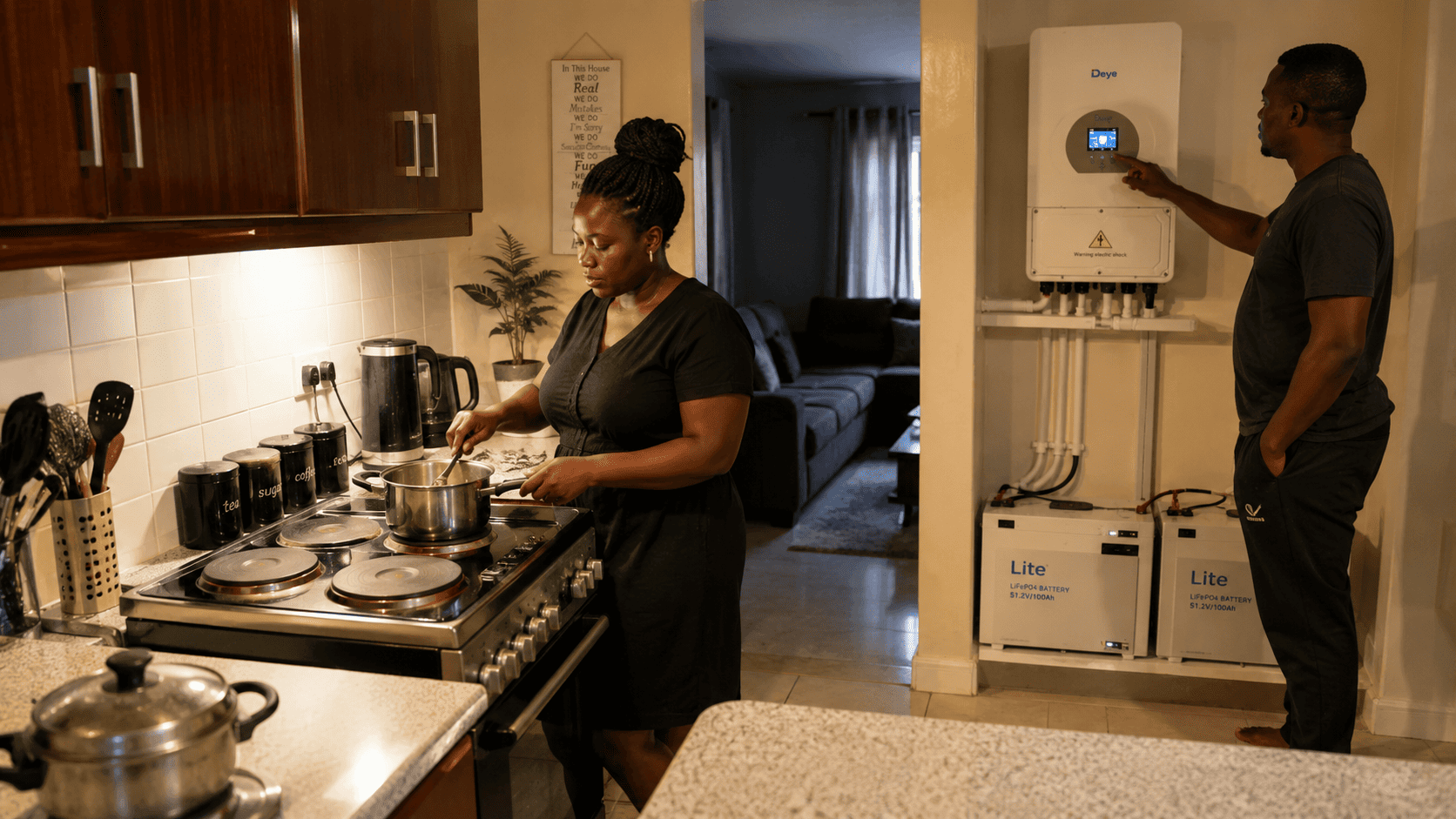
Can a 4 Plate Electric Stove and Oven Run on Solar in Zimbabwe?
If you are planning to install solar in Zimbabwe, one of the biggest questions you probably have is this:
Can a 4 plate electric stove and oven actually run on solar?
The short answer is yes. But the real answer depends on:
- Your inverter size
- Battery capacity
- Number of solar panels
- Cooking habits
- Time of day you cook
This is where many homeowners make expensive mistakes.
Some people buy a small solar system expecting it to run:
- An electric stove
- An oven
- A geyser
- A kettle
- And the whole house at the same time
Then the inverter starts overloading or the batteries drain quickly during load shedding.
In Zimbabwe, cooking appliances are some of the heaviest electrical loads you can put on a solar system. Running them properly requires good planning and realistic expectations.
The good news is that modern hybrid systems and lithium batteries have made solar cooking much more practical than it was a few years ago.
In this guide, you will learn:
- How much electricity a 4 plate stove and oven actually uses
- Which solar systems can handle cooking loads
- Why some systems fail
- What inverter and battery sizes you realistically need
- Whether solar cooking is financially worth it in Zimbabwe
Table of Contents
How Much Power Does a 4 Plate Electric Stove and Oven Use?
Before you decide whether solar can handle cooking, you first need to understand how much power an electric stove and oven actually consumes.
Most electric stoves in Zimbabwe use a surprisingly large amount of electricity.
Understanding Stove Wattage
A standard 4 plate electric stove usually includes:
- 2 smaller plates
- 2 larger plates
- An electric oven
- Sometimes a grill function
Typical power ratings are roughly:
- Small plate: 1000W–1500W
- Large plate: 1800W–2500W
- Oven: 2000W–3500W
If you use:
- Two large plates
- Plus the oven
Your total load can easily exceed:
P_{total}=2500W+2500W+3000W=8000W
That is already more than what many small solar systems can comfortably handle.
Why Electric Stoves Are Heavy Loads
Unlike TVs or lighting, cooking appliances draw large amounts of power continuously.
A fridge cycles on and off.
A stove does not.
When cooking sadza, rice, or baking, the heating elements may run for long periods without stopping.
This creates:
- Heavy battery demand
- Increased inverter load
- Faster power consumption
For comparison:
- TV: ~100W
- Wi-Fi router: ~20W
- Fridge: ~150W–300W
- Kettle: ~2000W
- Electric stove plate: ~2000W+
One stove plate can consume more power than several household appliances combined.
What Happens When Multiple Plates Are Used Together?
This is where problems usually begin.
Many homeowners assume:
“If one plate works, all four plates and the oven will also work.”
But solar systems do not work that way.
When multiple cooking elements operate together:
- Power demand increases rapidly
- Batteries discharge faster
- Inverters approach overload limits
For example:
- One large plate = manageable for some systems
- Four plates + oven = massive load
This is why many 3kVA or 5kVA systems struggle with electric stoves during load shedding.
Can Solar Really Handle Cooking in Zimbabwe?
Technically, yes.
Practically, it depends on your setup.
The Difference Between “Can Run” and “Can Run Efficiently”
Many solar systems can technically power a stove for short periods.
But the bigger question is:
Can the system do it efficiently without damaging batteries or constantly overloading?
That is where system quality and sizing matter.
In Zimbabwe, many households already use solar for:
- Lighting
- TVs
- Refrigerators
- Wi-Fi
- Boreholes
Adding cooking appliances changes the entire power equation.
Cooking requires:
- Larger battery banks
- Bigger inverters
- More solar panels
- Better load management
Why Most Small Solar Systems Struggle
Many entry-level systems are designed mainly for backup power.
They work well for:
- Lights
- TVs
- Routers
- Basic appliances
But cooking appliances push them much harder.
Common problems include:
- Inverter overload warnings
- Batteries draining too quickly
- System shutdowns
- Reduced battery lifespan
This becomes even worse during winter or cloudy weather when solar production drops.
Which Solar Systems Can Comfortably Run a Stove and Oven?
If you want reliable solar cooking, you usually need:
- A hybrid inverter
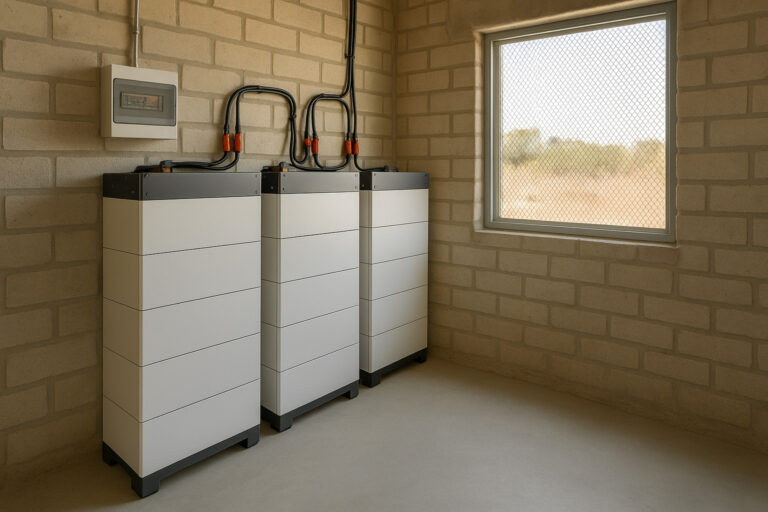
- Lithium batteries
- Adequate panel capacity
In many Zimbabwean homes, systems that comfortably support cooking are usually:
- 8kVA and above
- Larger lithium battery banks
- High solar panel capacity
These systems are more expensive initially, but they handle heavy loads much better.
This is especially important if you also want to run:
- Boreholes
- Freezers
- Air fryers
- Microwaves
- Air conditioners
Understanding Solar System Components Needed for Cooking
Solar Panels
Cooking loads require significant solar generation.
If you cook mainly during the day, solar panels can directly assist the inverter and reduce pressure on batteries.
This is the best-case scenario.
More panels generally mean:
- Faster battery charging
- Better daytime cooking support
- Reduced dependence on ZESA
Homes with limited roof space may struggle to install enough panels for full electric cooking.
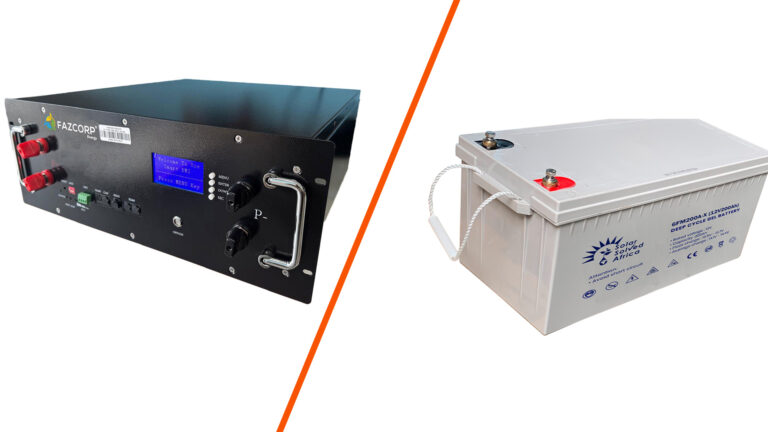
Lithium Batteries vs Gel Batteries for Cooking Loads
Battery choice matters a lot when dealing with heavy appliances.
Lithium batteries perform much better under cooking loads because they:
- Charge faster
- Discharge more efficiently
- Handle higher loads
- Last longer under daily cycling
Gel batteries often struggle with:
- Voltage drops
- Heat buildup
- Reduced lifespan under heavy demand
If you want to run an electric stove regularly, lithium batteries are usually the safer long-term investment.
Choosing the Right Inverter
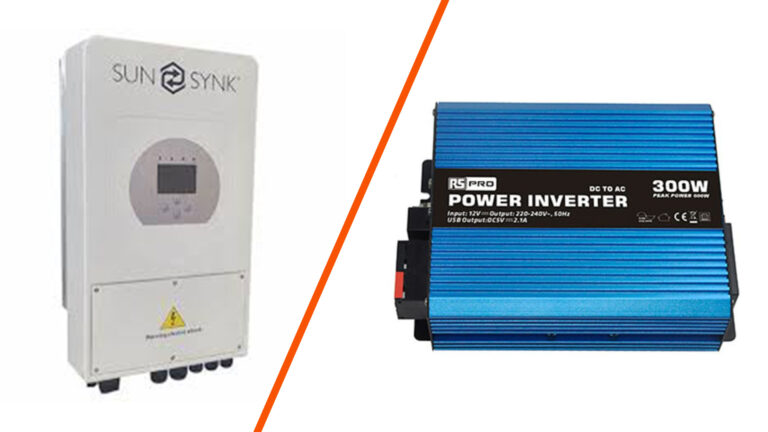
The inverter is the heart of your solar system.
A weak inverter will struggle with heavy cooking loads.
When choosing an inverter for cooking, focus on:
- Continuous power rating
- Surge handling capability
- Hybrid functionality
- Reliability
Many Zimbabwean homeowners upgrading for cooking loads move toward:
Smaller 3kVA systems may still work for limited cooking, but they usually require careful appliance management.
Real-World Cooking Scenarios in Zimbabwe
Cooking During the Day
Daytime cooking is much easier for solar systems.
Why?
Because the panels actively generate electricity while you cook.
This reduces:
- Battery stress
- Power draw from storage
- Risk of overload
If your family cooks lunch during sunny afternoons, the system performs much better.
Cooking at Night During Load Shedding
This is the most demanding situation.
At night:
- Panels stop producing electricity
- Everything depends on batteries
Running:
- Multiple stove plates
- Plus the oven
Can drain batteries very quickly.
This is why battery sizing matters so much.
Running the Oven vs Running Stove Plates
Many people assume the stove plates consume the most power.
But ovens can also be very demanding because they run for longer periods.
For example:
- Baking for one hour places sustained load on the system
- Multiple stove plates create short but intense loads
Cooking style affects power usage significantly.
Can You Use Other Appliances While Cooking?
Yes, but only if the system is sized correctly.
Problems happen when people try to use:
- Kettles
- Microwaves
- Geysers
- Boreholes
- Air fryers
At the same time as the stove.
This can push the inverter beyond safe operating limits.
Good load management is important even with larger systems.
What Size Solar System Do You Need?
There is no universal answer because every household is different.
But generally, cooking loads push homeowners into medium-to-large solar system categories.
Small Household Setup
Small systems are suitable for:
- Emergency cooking
- One plate at a time
- Limited appliance use
These systems work best when combined with:
- Gas cooking
- Careful load management
Medium Family System
A medium hybrid setup can usually support:
- Refrigerators
- TVs
- Wi-Fi
- Moderate cooking
These are becoming increasingly popular in urban Zimbabwean homes.
Large Premium System
Large systems are designed for:
- Full electric cooking
- Boreholes
- Air conditioning
- Multiple heavy appliances
These systems usually require:
- Larger lithium battery banks
- Strong hybrid inverters
- Higher solar panel capacity
They cost more initially but provide much greater comfort and independence from ZESA.
Why Proper System Sizing Matters
Undersized systems create long-term frustration.
Poor sizing often leads to:
- Overloaded inverters
- Short battery lifespan
- Frequent shutdowns
- Expensive upgrades later
A properly designed system performs better, lasts longer, and handles Zimbabwe’s load shedding conditions more reliably.
The Cost Reality of Running an Electric Stove on Solar in Zimbabwe
This is where many homeowners get surprised.
Running a stove and oven on solar is possible, but it significantly increases the size and cost of the system.
Why?
Because cooking appliances consume large amounts of electricity very quickly.
To support cooking loads properly, your system usually needs:
- More solar panels
- Larger lithium battery banks
- Bigger hybrid inverters
- Stronger protection systems
A small backup system designed only for:
- Lights
- TV
- Wi-Fi
Will not comfortably handle full electric cooking.
Why Cooking Increases System Costs
Cooking loads push solar systems into higher-performance categories.
For example, a household that only wants:
- Lighting
- Refrigeration
- Entertainment
May manage with a medium-sized system.
But once you add:
- An electric stove
- An oven
- Air fryers
- Kettles
The required battery storage increases dramatically.
The system must now handle:
- High continuous loads
- Heavy surge demand
- Long cooking durations
This is why cooking-focused systems cost more than standard backup systems.
Is It Still Worth It?
For many Zimbabwean households, yes.
Especially if you experience:
- Frequent load shedding
- Expensive generator fuel costs
- Long power outages
Solar cooking can provide:
- Greater convenience
- Reduced fuel dependence
- Better long-term energy stability
It also creates a quieter and cleaner environment compared to generators.
For diaspora-funded homes, many families now prefer investing once in a properly designed solar system instead of constantly buying fuel and maintaining generators.
Solar Cooking vs Generator Costs
Generators may appear cheaper initially, but long-term costs add up quickly.
Generators require:
- Fuel
- Oil changes
- Maintenance
- Noise management
Solar systems have higher upfront costs, but lower long-term operating expenses.
Over several years, many homeowners discover that quality solar systems become more economical.
Smart Alternatives Zimbabwean Homeowners Are Using
Not every household needs full electric cooking powered entirely by solar.
Many homeowners now use balanced approaches that reduce system strain while still improving comfort.
Gas + Solar Hybrid Cooking
This is one of the most practical solutions in Zimbabwe.
Many families use:
- Solar for lighting and appliances
- Gas for cooking
This setup reduces:
- Battery pressure
- Inverter load
- Overall system cost
It also allows smaller solar systems to perform better during load shedding.
Induction Cookers vs Traditional Electric Stoves
Induction cookers are becoming increasingly popular because they are more energy efficient.
Compared to traditional electric stoves, induction cookers:
- Heat faster
- Waste less energy
- Reduce cooking time
This makes them more solar-friendly.
For some households, switching to induction cooking can reduce the required solar system size significantly.
Air Fryers and Efficient Appliances
Air fryers are also helping many families reduce electricity consumption.
They usually:
- Cook faster
- Use less power than ovens
- Generate less sustained load
Small efficiency improvements can make a big difference for solar systems.
Common Mistakes People Make
Many solar cooking problems come from unrealistic expectations and poor planning.
Avoiding these mistakes can save you money and frustration.
Buying a Small Inverter for Heavy Loads
One of the biggest mistakes is expecting a small inverter to power:
- Stove plates
- Ovens
- Kettles
- Microwaves
At the same time.
This often causes:
- Overloads
- Shutdowns
- System instability
Ignoring Battery Capacity
Some homeowners focus only on inverter size and forget about battery storage.
But batteries determine:
- How long the system can support cooking
- How stable the system remains during outages
Small batteries drain quickly under heavy cooking loads.
Underestimating Cooking Time
Cooking is not a short burst load like boiling a kettle.
Preparing:
- Sadza
- Rice
- Baking
- Stews
May require long heating periods.
This sustained demand places heavy pressure on batteries.
Using Cheap Batteries
Cheap batteries may fail quickly under daily cooking demand.
Poor-quality batteries often:
- Overheat
- Lose capacity rapidly
- Struggle with deep cycling
For cooking loads, battery quality matters a lot.
Running Too Many Appliances Together
Many households accidentally overload systems by combining:
- Stove plates
- Oven
- Geyser
- Borehole
- Kettle
At the same time.
Good load management remains important even with larger systems.
Realistic Advice for Zimbabwean Homeowners
If you want to cook using solar in Zimbabwe, the key is being realistic about your goals and budget.
Who Should Consider Full Solar Cooking?
Full electric cooking on solar makes the most sense for:
- Larger households
- Premium homes
- Businesses
- Diaspora-funded properties
- Homes already planning larger hybrid systems
These households usually have:
- Bigger budgets
- More roof space
- Larger battery banks
Who Should Avoid Full Solar Cooking?
It may not be ideal if:
- You have a very small system
- Your budget is limited
- Roof space is restricted
- You only need basic backup power
In these situations, combining:
- Solar
- Gas cooking
- Load management
Is often more practical.
The Most Practical Setup for Most Homes
For many Zimbabwean households, the best approach is:
- A quality hybrid inverter
- Lithium batteries
- Adequate solar panels
- Smart appliance management
This setup provides:
- Reliable backup power
- Better battery lifespan
- Reduced stress during load shedding
- Flexibility for future upgrades
Final Thoughts
So, can a 4 plate electric stove and oven run on solar in Zimbabwe?
Yes — but only if the system is properly designed.
Cooking appliances place heavy demand on solar systems. That means:
- Correct sizing matters
- Battery quality matters
- Inverter quality matters
- Load management matters
Many small backup systems will struggle with full electric cooking.
But larger hybrid systems with lithium batteries can handle cooking much more effectively, especially when paired with smart energy usage habits.
The biggest mistake you can make is trying to save money by undersizing the system.
Cheap or undersized systems often lead to:
- Constant overloads
- Rapid battery wear
- Frustration during load shedding
- Expensive upgrades later
A properly designed system gives you:
- Better reliability
- Longer equipment lifespan
- Greater independence from ZESA
- Better long-term value
Final Advice Before You Buy
Before investing in solar for cooking, start with a proper household energy assessment.
Do not guess.
Every home is different.
Your ideal system depends on:
- Cooking habits
- Family size
- Appliance usage
- Budget
- Load shedding patterns
A professional assessment can help you:
- Choose the correct inverter size
- Select the right battery bank
- Avoid overspending
- Prevent future upgrade costs
If you are planning a solar system that can handle electric cooking in Zimbabwe, speak to an experienced solar specialist before buying equipment.
The right system will save you money, reduce stress during load shedding, and provide reliable power for years to come.
Get in touch today for a professional solar assessment and a customized system recommendation designed specifically for your household’s cooking and backup power needs.