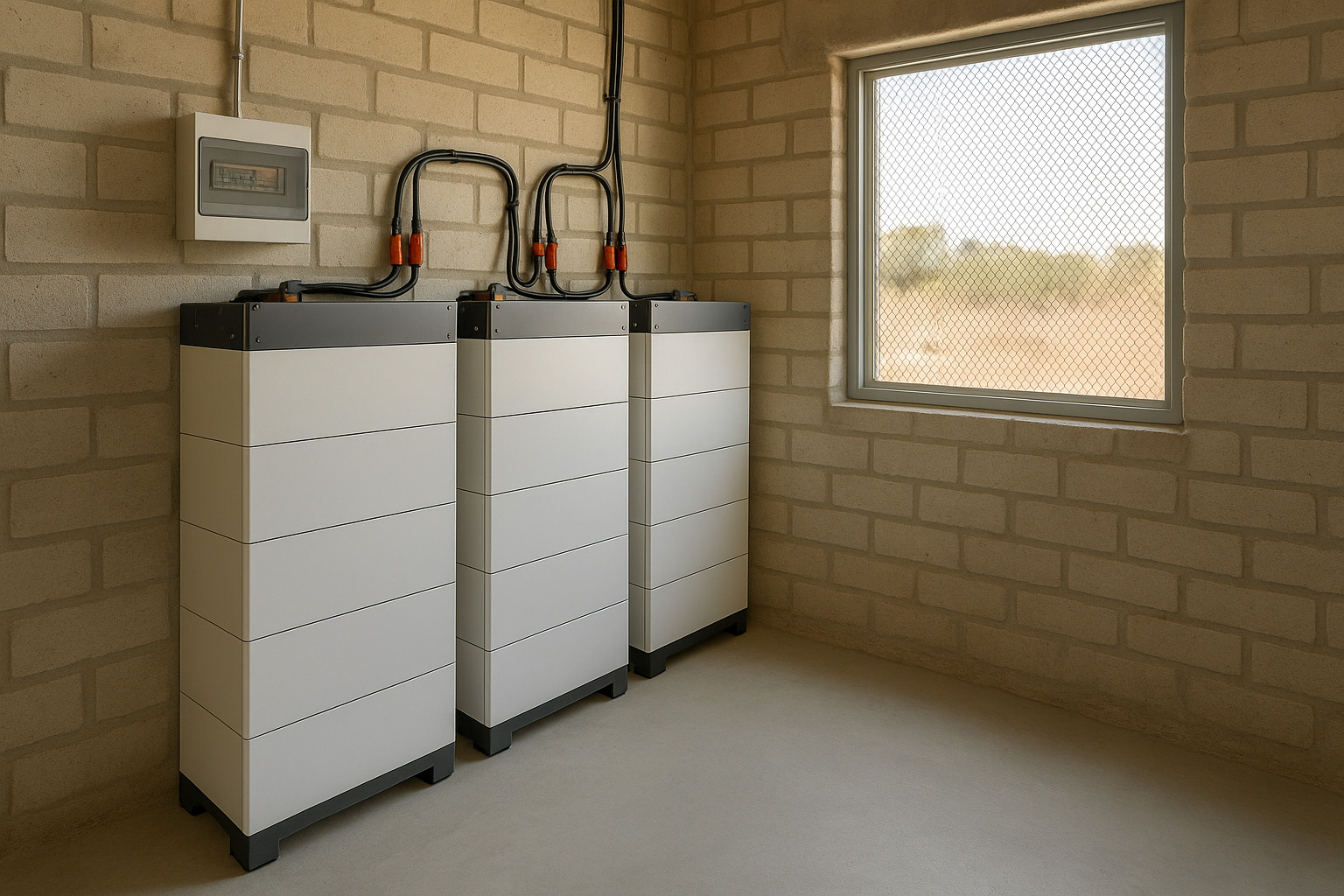
How Long Do Lithium Batteries Really Last in Zimbabwe’s Climate?
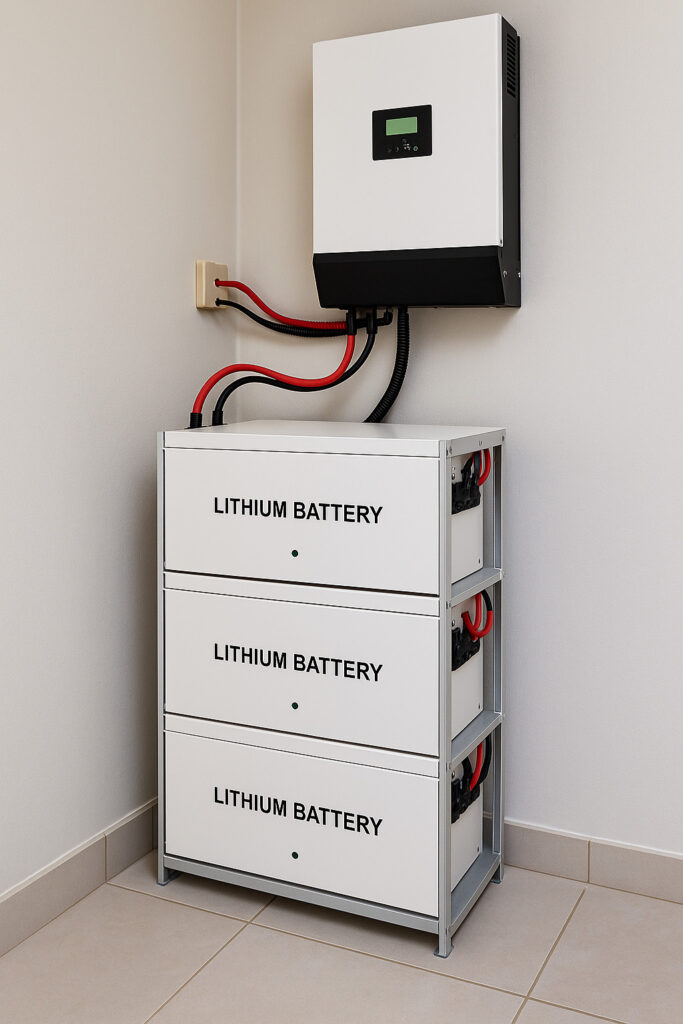
Let’s be real—solar systems without good batteries are like cars without fuel tanks. And in Zimbabwe, where load-shedding is as reliable as kombi delays, batteries aren’t a luxury, they’re a lifeline. But not all batteries are created equal. Lead-acid had its time, but now everyone’s buzzing about lithium batteries.
The big question is: Do lithium batteries really last long enough in Zimbabwe’s harsh climate to justify the cost? After all, 40°C heat in Kariba and dust storms in places like Mutorashanga mines aren’t exactly a spa day for electronics. Let’s dig in.
Table of contents
- What Are Lithium Batteries, and Why the Hype?
- The Harsh Zimbabwean Climate: Friend or Foe?
- How Long Do Lithium Batteries Last in Zimbabwe?
- Factors That Affect Lithium Battery Lifespan
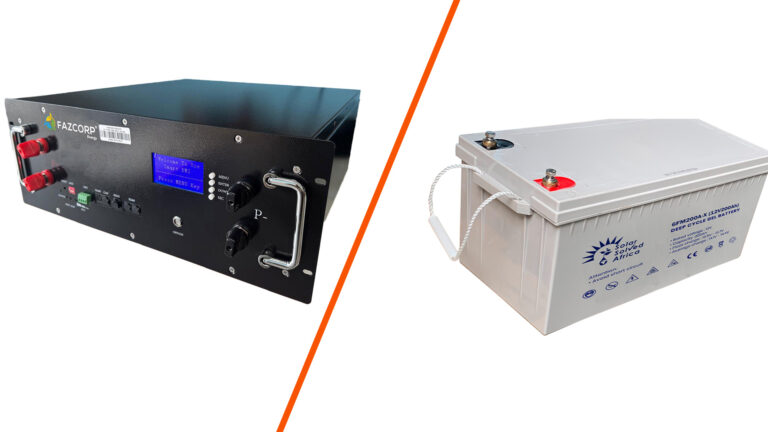
- Table: Lithium vs Lead-Acid in Zimbabwe
- FAQs: Lithium Battery Life in Zimbabwe
- Real-Life Story
- Care Tips to Maximize Lithium Battery Life
- External Factors to Consider
- Conclusion
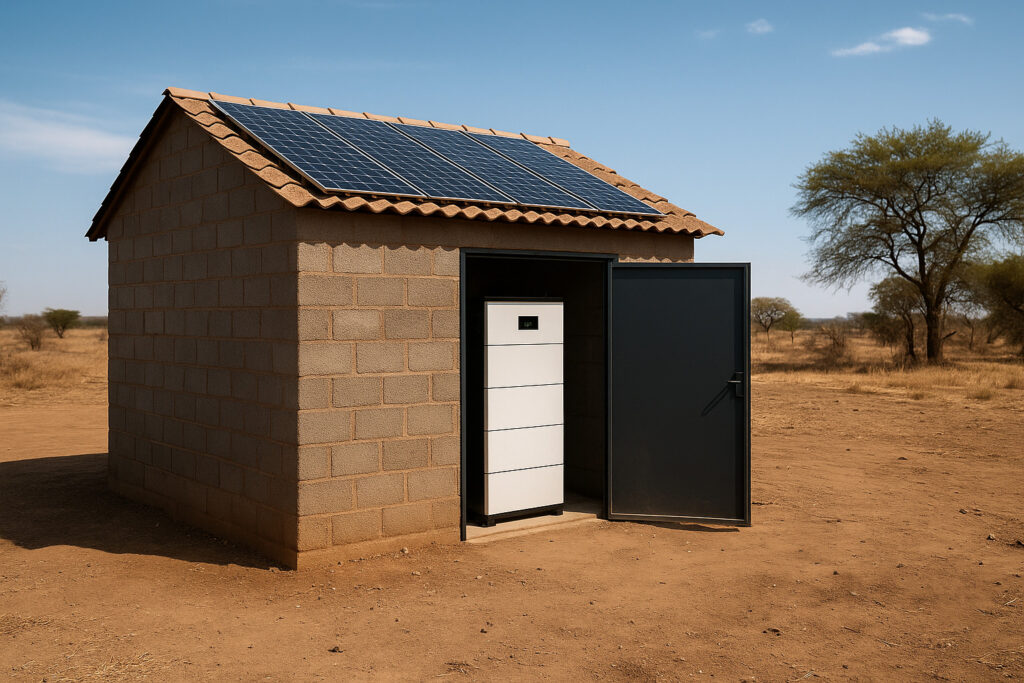
What Are Lithium Batteries, and Why the Hype?
Lithium-ion batteries are rechargeable power storage units known for:
- Longer lifespan (up to 10–15 years in ideal conditions).
- Higher efficiency (95%+ round-trip compared to 70–80% for lead-acid).
- Deep discharge capability (can use 80–90% of their energy without damage).
- Lightweight design (easier to install and move).
They’re becoming the default choice for modern solar setups. If you’re still comparing, here’s a good read: The Lithium-Ion Batteries Hype: Overrated or Still Relevant?.
The Harsh Zimbabwean Climate: Friend or Foe?
Here’s the truth: heat is the enemy of lithium batteries. Every degree above 25°C chips away at their lifespan. Add in Zimbabwe’s:
- Scorching summers (often 35–40°C).
- Dust storms that clog ventilation.
- Load-shedding surges that stress systems.
…and you’ve got a real durability test.
Still, lithium batteries are more robust than traditional lead-acid, especially when paired with protection kits and proper installation.
How Long Do Lithium Batteries Last in Zimbabwe?
Average Lifespan
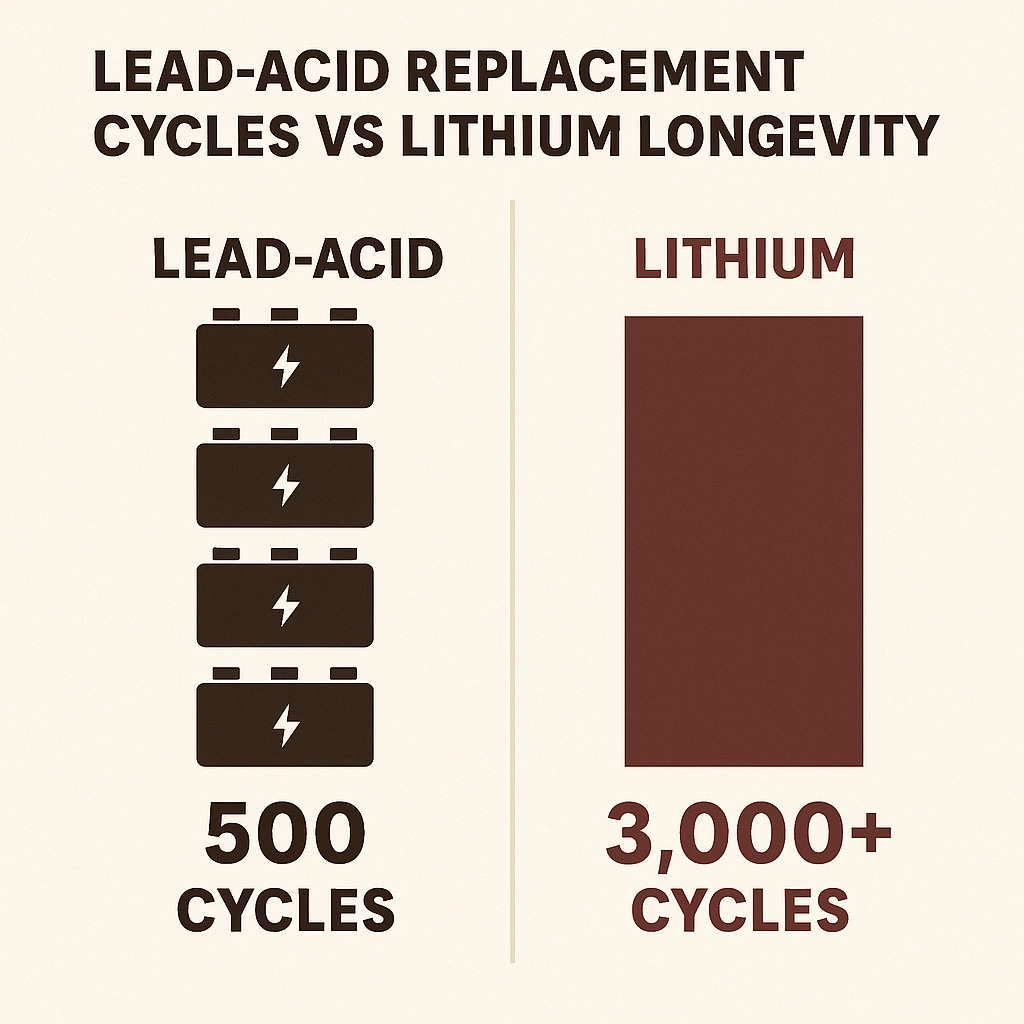
- 7–10 years in typical Zimbabwean conditions.
- 10–15 years possible with proper care, shade, and regular maintenance.
- 3–5 years if abused (think no ventilation, mismatched inverter, or constant over-discharging).
Compare that with lead-acid batteries, which usually bow out after 3–5 years, and lithium starts looking like the better long-term bet.
Factors That Affect Lithium Battery Lifespan
- Temperature Management
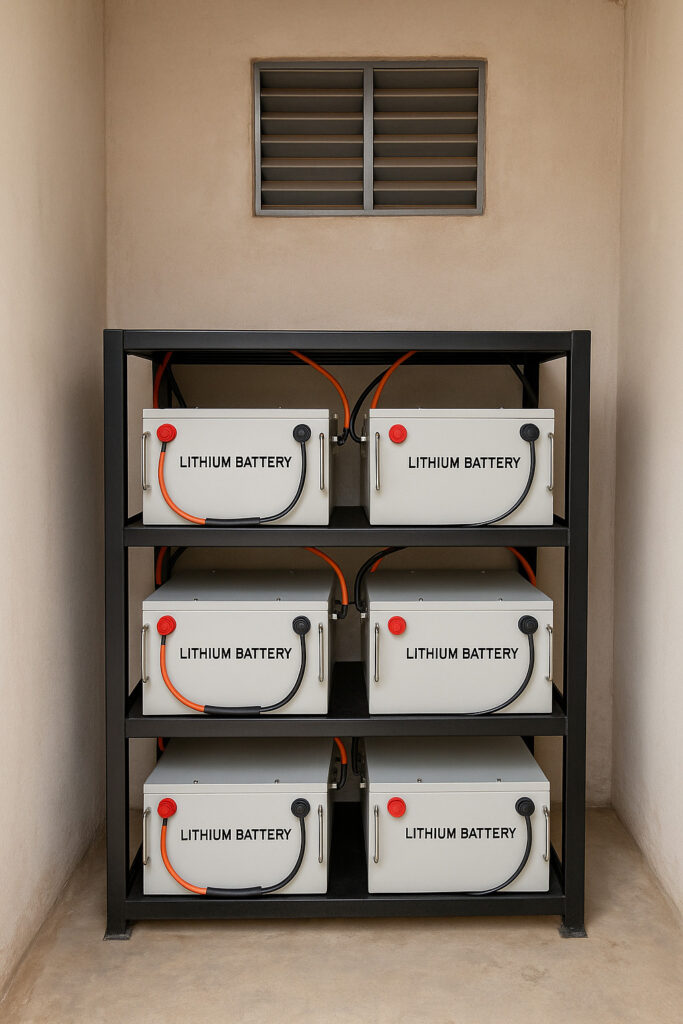
- Hot storerooms kill batteries faster.
- Install in shaded, ventilated areas.
- Depth of Discharge
- Lithium can handle 80–90% DOD (depth of discharge).
- But cycling fully every day shortens life.
- System Design
- Correct sizing matters. See our Step-by-Step Guide to Sizing Your Solar System.
- Maintenance & Monitoring
- Use smart monitoring tools (Solar Monitoring Guide) to track health.
- Clean the environment regularly (dust is a silent killer).
- Quality of Installation
- Bad cabling or mismatched inverters reduce battery life. (Read: DIY vs Professional Installation).
Table: Lithium vs Lead-Acid in Zimbabwe
| Feature | Lithium Batteries | Lead-Acid Batteries |
|---|---|---|
| Lifespan | 7–15 years | 3–5 years |
| Depth of Discharge (DOD) | 80–90% | 40–50% |
| Efficiency | 95%+ | 70–80% |
| Maintenance | Low | High (topping up, etc.) |
| Cost (per unit) | Higher upfront | Lower upfront |
| Cost over 10 years | Lower (better ROI) | Higher (frequent replacements) |
FAQs: Lithium Battery Life in Zimbabwe
Q1: Do lithium batteries degrade faster in hot climates?
Yes, heat accelerates degradation. Expect reduced lifespan if stored in poorly ventilated spaces.
Q2: Can lithium batteries survive load-shedding surges?
With proper surge protection, yes. See Factors That Affect the Life Span of a Solar Inverter for related risks.
Q3: How do I know my lithium battery is failing?
- Reduced backup time
- Slow charging
- Error codes on monitoring system
For reference, here’s a guide on Signs Your Solar Battery Needs Replacing.
Q4: Is it worth investing in lithium over lead-acid?
If you plan to stay in your home for 5+ years, absolutely. The long-term ROI is far better.
Q5: Do I need to clean lithium batteries?
Not the battery itself, but the environment (dust-free, cool) makes a huge difference.
Real-Life Story
In Harare, a homeowner swapped 8 lead-acid batteries (replaced every 4 years) for 2 lithium units. Yes, the upfront cost was steep — about $3,500. But after 6 years, those lithiums are still running strong, while his neighbor has replaced lead-acids twice. The lesson? Sometimes paying more upfront saves headaches (and money) later.
Care Tips to Maximize Lithium Battery Life
- Shade & Ventilation: Keep them cool and away from tin-roofed rooms.
- Right-Sizing: Don’t undersize your system. Pair with compatible inverters.
- Monitoring: Set up alerts via IoT (Smart Solar Systems).
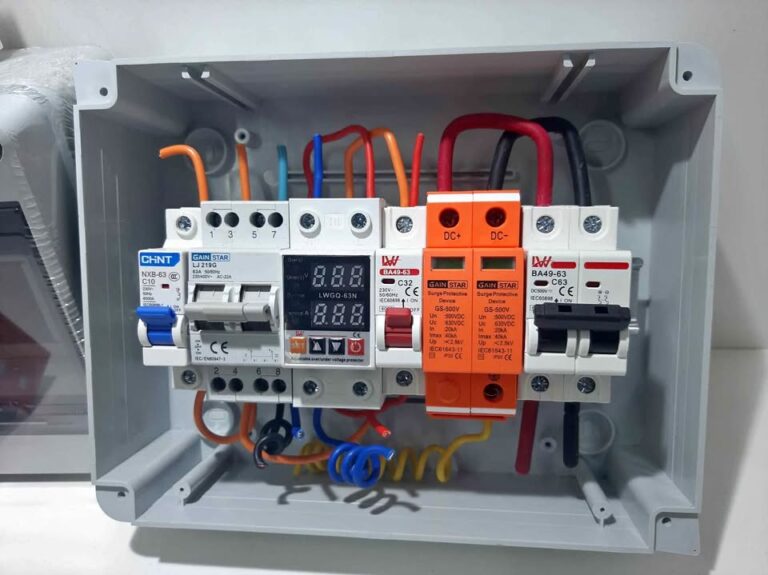
- Surge Protection: Always install with lightning arrestors and breakers.
External Factors to Consider
- Net Metering: With ZESA’s net metering program, oversized systems can offset power bills.
- Water Pumping: Pairing lithium with solar borehole pumps ensures water supply even in load-shedding.
- Dust & Climate: Dusty areas reduce efficiency of the entire system — maintenance tips here.
Conclusion
So, how long do lithium batteries really last in Zimbabwe’s climate?
- Best case: 10–15 years with care.
- Typical case: 7–10 years in hot, dusty conditions.
- Worst case: 3–5 years if neglected.
They’re not cheap, but in the long run, lithium batteries pay back in reliability, fewer replacements, and peace of mind. Think of it this way: if your fridge, lights, and borehole pump keep running through ZESA’s wild moods, isn’t that worth the investment?
Ready to explore more? Start with common mistakes newbies make when going solar and avoid costly regrets.