Is a Sunsync Solar Inverter Worth the Investment in Zimbabwe? (Homeowner & Business Guide)
1. Introduction: Why Solar Is No Longer Optional in Zimbabwe
If you live in Zimbabwe, you already know the problem.
ZESA power cuts are unpredictable.
Voltage fluctuates.
Power returns with spikes.
Businesses lose money.
Homes lose comfort.
You cannot plan your life around unstable electricity.
That is why more Zimbabweans are investing in solar.
But once you decide to go solar, the big question becomes:
Is a Sunsync inverter actually worth it?
In this guide, I will walk you through:
- What Sunsync really is
- Why it’s popular in Zimbabwe
- How it performs during load shedding
- Its pros and cons
- How it compares to other brands
- Who should buy it (and who shouldn’t)
By the end, you will know if Sunsync is the right choice for you.
Table of Contents
2. What Is a Sunsync Solar Inverter?
2.1 What an Inverter Does in Simple Terms
Your solar panels produce DC power.
Your house uses AC power.
The inverter converts DC into AC so you can run:
- Lights
- Fridges
- TVs
- WiFi
- Borehole pumps
- Office equipment
Without an inverter, your panels cannot power your home.
The inverter is the brain of your solar system.
2.2 Is Sunsync a Normal Inverter or a Hybrid Inverter?
Sunsync is a hybrid inverter.
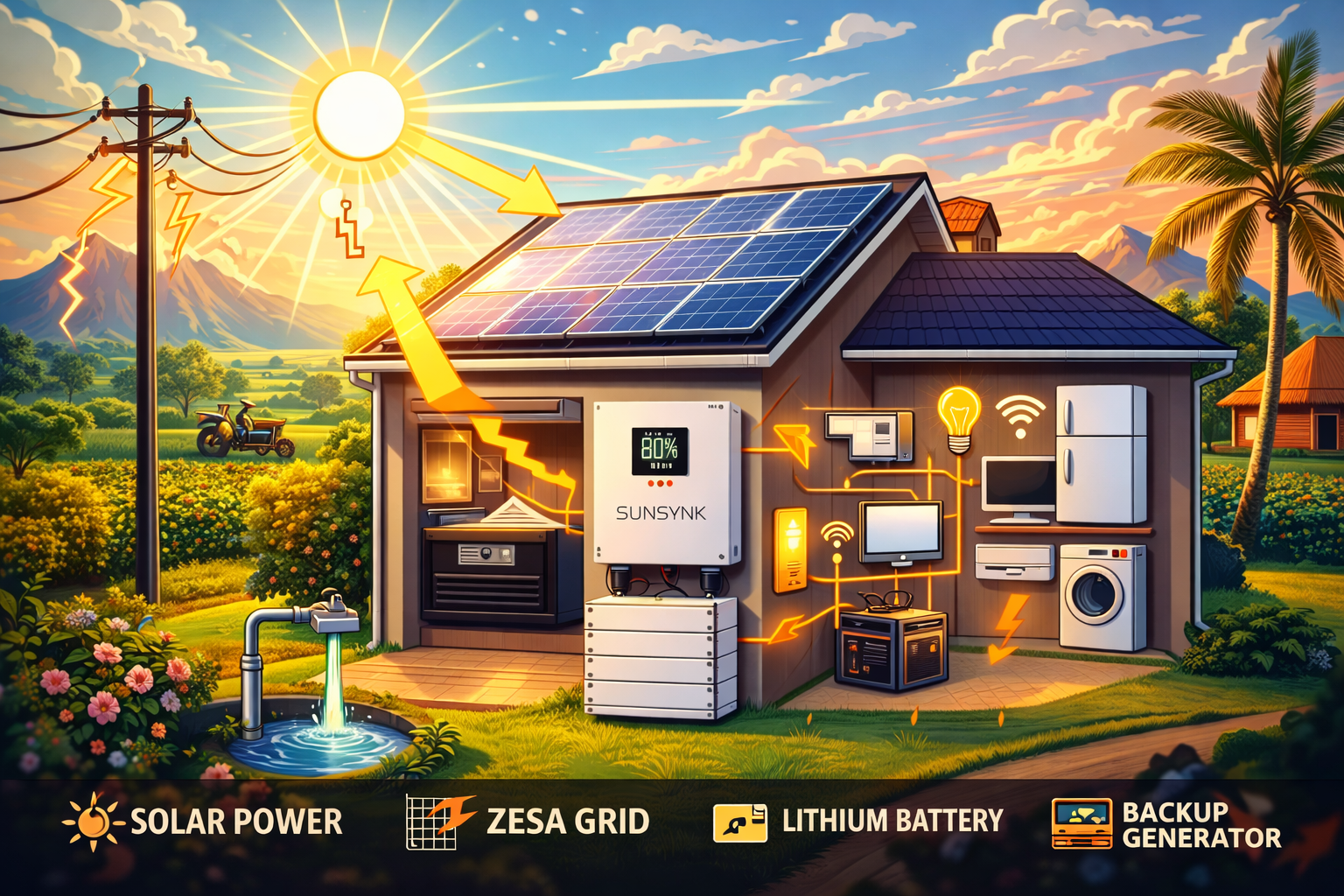
That means it can manage:
- Solar panels
- Batteries
- ZESA grid power
- A generator (if you have one)
It automatically switches between these power sources.
For example:
- During the day, it uses solar.
- At night, it uses batteries.
- When batteries are low, it pulls from ZESA.
- If ZESA goes off, it switches instantly to battery.
You do not need to flip switches.
In Zimbabwe, where load shedding is common, this matters a lot.
3. What Makes Sunsync Different?
3.1 Smart Hybrid Switching
Sunsync does not just convert power.
It manages power intelligently.
You can set priorities like:
- Use solar first
- Only use ZESA when battery drops below 20%
- Charge batteries during off-peak hours
This flexibility helps you reduce ZESA dependence.
3.2 Built-In MPPT Technology
MPPT stands for Maximum Power Point Tracking.
In simple terms:
It helps your inverter extract the most power from your panels.
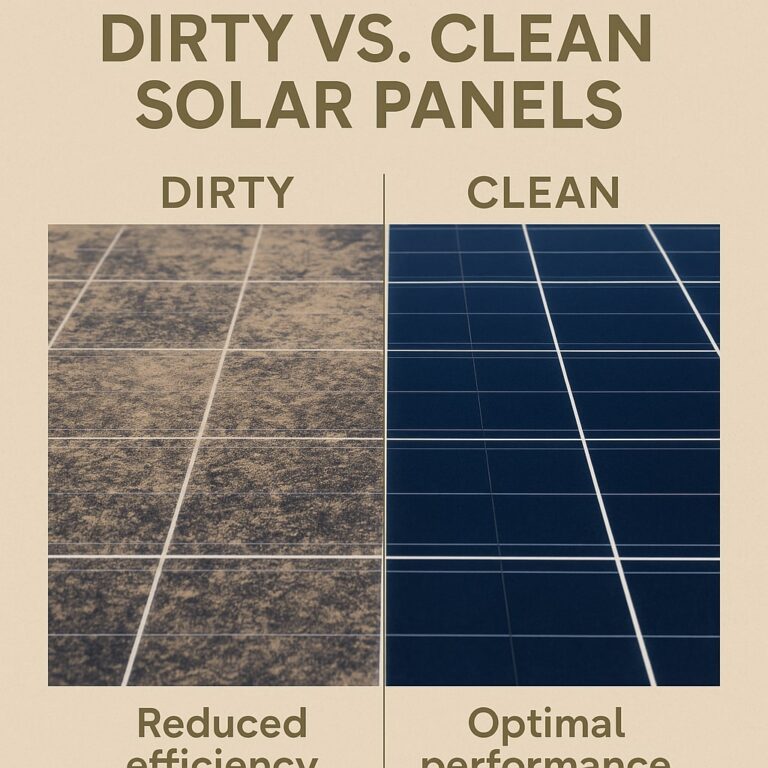
In Zimbabwe, sunlight changes because of:
- Dust
- Cloud cover
- Rainy season
- High temperatures
MPPT adjusts automatically so you get better charging efficiency.
This improves:
- Battery charging speed
- Winter performance
- Overall system stability
3.3 Pure Sine Wave Output
Sunsync produces clean pure sine wave power.
This protects:
- Fridges
- TVs
- Computers
- Pumps
- Sound systems
Cheap inverters can damage sensitive electronics.
In Zimbabwe, where voltage already fluctuates, clean output matters.
3.4 App Monitoring
Sunsync gives you monitoring through an app.
You can see:
- Solar production
- Battery percentage
- Grid usage
- Load consumption
This helps you:
- Detect faults early
- Reduce power waste
- Adjust usage patterns
For business owners, this helps track performance.
4. Why Sunsync Is Popular in Zimbabwe
Sunsync did not become popular by accident.
4.1 It Handles Load Shedding Well
Power cuts happen daily in many areas.
Sunsync switches quickly and smoothly.
Your lights don’t flicker.
Your WiFi doesn’t drop.
Your fridge keeps running.
For offices and shops, that reliability is critical.
4.2 It Works Well With Lithium Batteries
Lithium batteries are now common in Zimbabwe.
They:
- Last longer
- Charge faster
- Handle deep discharge better
- Perform better during daily cycling
Sunsync communicates directly with many lithium batteries through BMS integration.
That improves:
- Charging accuracy
- Battery protection
- Lifespan
4.3 It Is Scalable
Many homeowners start small.
Later, they add:
- More panels
- More batteries
- A borehole pump
- Air conditioning
Sunsync allows expansion within system limits.
That makes it a long-term solution.
4.4 Strong Local Reputation
Installers in Zimbabwe are familiar with Sunsync.
Technicians know how to configure it properly.
That reduces troubleshooting headaches.
5. Sunsync Models Commonly Used in Zimbabwe
You must choose the right size.
Bigger is not always better.
5.1 Sunsync 3.6kW
Best for:
- Small homes
- Lights, TV, WiFi
- One fridge
Not ideal for heavy appliances.
5.2 Sunsync 5kW
Most popular in Zimbabwe.
Good for:
- 2–4 bedroom homes
- Multiple fridges
- Washing machine (timed use)
- Small borehole pump
- Some inverter air conditioners
For many families, this is the sweet spot.
5.3 Sunsync 8kW
Better for:
- Large homes
- Salons
- Butcheries
- Offices
- Workshops
- Borehole systems
If you run a business, 8kW gives you headroom.
5.4 Sunsync 12kW+
Used for:
- Lodges
- Farms
- Clinics
- Schools
- Commercial operations
At this level, professional system design is essential.
6. Real-World Performance in Zimbabwe
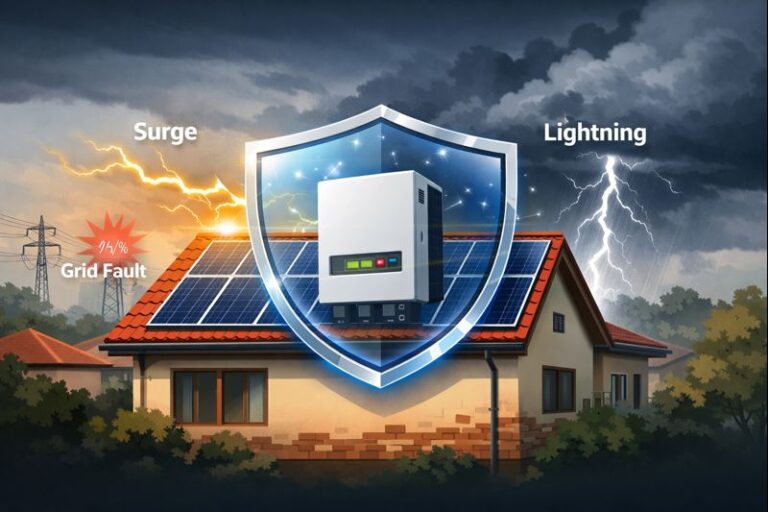
6.1 Handling ZESA Voltage Fluctuations
ZESA power can:
- Drop suddenly
- Return with high voltage
- Spike unexpectedly
Sunsync includes internal protections such as:
- Overvoltage protection
- Undervoltage protection
- Overload protection
However, you must still install:
- Surge protection devices
- Proper earthing
- Quality breakers
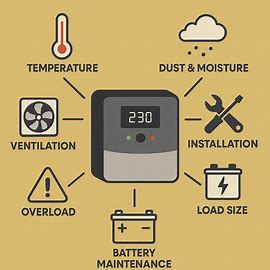
6.2 Heat and Dust Conditions
Zimbabwe gets hot.
In summer, temperatures exceed 30°C.
Dust is common, especially near gravel roads.
Sunsync handles heat well if:
- Installed in a cool area
- Properly ventilated
- Not exposed to direct sunlight
Poor installation reduces lifespan.
6.3 Rainy Season and Lightning
Thunderstorms are strong in many regions.
Lightning can damage:
- Inverters
- Batteries
- Appliances
You must install:
- Earthing rods
- Surge protectors
- Proper grounding
Protection is not optional.
7. Pros and Cons of Sunsync
7.1 Advantages
Sunsync offers:
- Strong hybrid functionality
- Lithium battery compatibility
- Stable pure sine wave output
- Smart monitoring
- Scalability
- Good local support
It solves real Zimbabwean problems.
7.2 Disadvantages
Be realistic.
Sunsync:
- Costs more upfront
- Requires proper installation
- Needs quality protection equipment
- Has counterfeit risk in the market
- Is not ideal for very small backup systems
If you only need lights and TV backup, cheaper options may work.
8. Sunsync vs Other Inverters in Zimbabwe
8.1 Sunsync vs Deye
Both brands:
- Offer hybrid functionality
- Support lithium batteries
- Provide monitoring
Your choice often depends on:
- Pricing at time of purchase
- Warranty support
- Installer experience
If your installer understands Sunsync better, that matters.
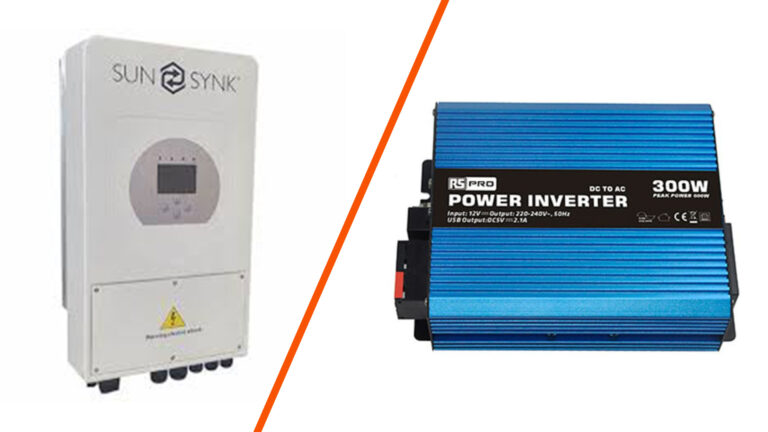
8.2 Sunsync vs Budget Brands (MUST, Voltronic)
Budget inverters are cheaper.
They can work for:
- Small off-grid systems
- Basic backup
But they often:
- Offer fewer smart features
- Provide less refined monitoring
- Require more manual load control
If you want long-term hybrid flexibility, Sunsync feels more advanced.
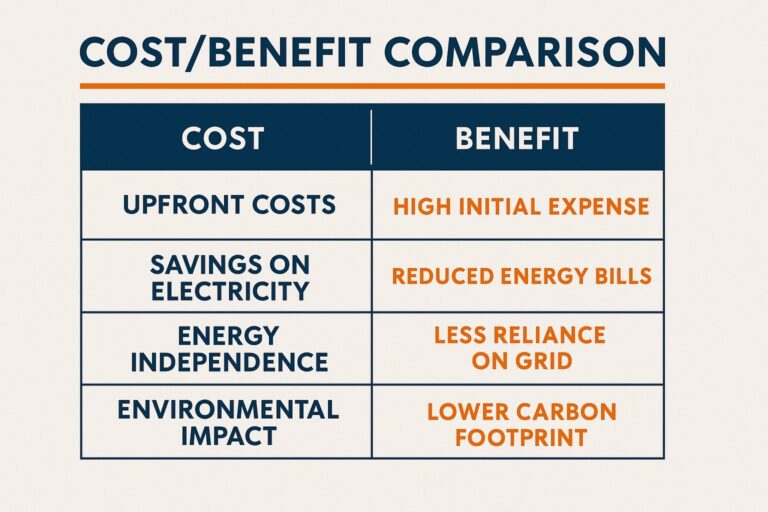
9. Is Sunsync Expensive or High-Value?
Yes, Sunsync costs more than entry-level inverters.
But ask yourself:
How much do you spend yearly on:
- Generator fuel?
- Appliance repairs from power spikes?
- Lost business during outages?
When you consider:
- Reduced generator use
- Stable power
- Appliance protection
- Comfort
Sunsync often becomes high-value rather than “expensive.”
10. Who Should Buy Sunsync in Zimbabwe?
10.1 Sunsync Is Ideal If You:
- Experience frequent load shedding
- Run a borehole pump
- Have multiple fridges/freezers
- Operate a small business
- Use inverter air conditioners
- Plan long-term solar expansion
10.2 Sunsync May Not Be Ideal If You:
- Only want minimal backup
- Have a very tight budget
- Do not plan to invest in proper batteries
- Rarely experience outages
Match the inverter to your real needs.
11. ROI: Does Sunsync Pay Off?
ROI in Zimbabwe is not only about ZESA savings.
It includes:
- Reduced fuel costs
- Avoided downtime
- Appliance protection
- Peace of mind
- Increased property value
For businesses, ROI is clearer.
If your shop closes during load shedding, you lose money.
If your butchery loses refrigeration, you lose stock.
Solar reduces those risks.
Over several years, the system can pay for itself.
12. Key Buying Advice Before You Invest
Before you buy Sunsync:
- Size your battery properly
- Install enough solar panels
- Use proper surge protection
- Choose a qualified installer
- Buy from a reputable supplier
Avoid deals that look too cheap.
Check:
- Warranty documentation
- Serial numbers
- Supplier reputation
13. Frequently Asked Questions
Is Sunsync a good inverter brand?
Yes. It is widely regarded as a strong hybrid inverter with reliable performance in Zimbabwe.
Is Sunsync better than Deye?
Both are strong. The better choice depends on pricing, support, and installer familiarity.
Can Sunsync work without batteries?
Yes, but in Zimbabwe batteries are essential because of daily outages.
Can Sunsync run a borehole pump?
Yes, if sized correctly.
How long does Sunsync last?
Many years if installed properly and protected from surges.
Final Verdict: Is Sunsync Worth It in Zimbabwe?
Yes, Sunsync is worth it in Zimbabwe — if you size and install it properly.
It handles:
- Load shedding
- Voltage fluctuations
- Lithium battery integration
- Solar + grid + generator switching
It is not the cheapest option.
But it delivers stability, flexibility, and long-term reliability.
If you want serious hybrid performance, Sunsync makes sense.
Call to Action
If you are considering a Sunsync inverter:
- Get your system sized properly
- Compare battery options
- Review pricing carefully
A properly designed Sunsync system does more than provide power.
It gives you control in an unstable electricity environment.