
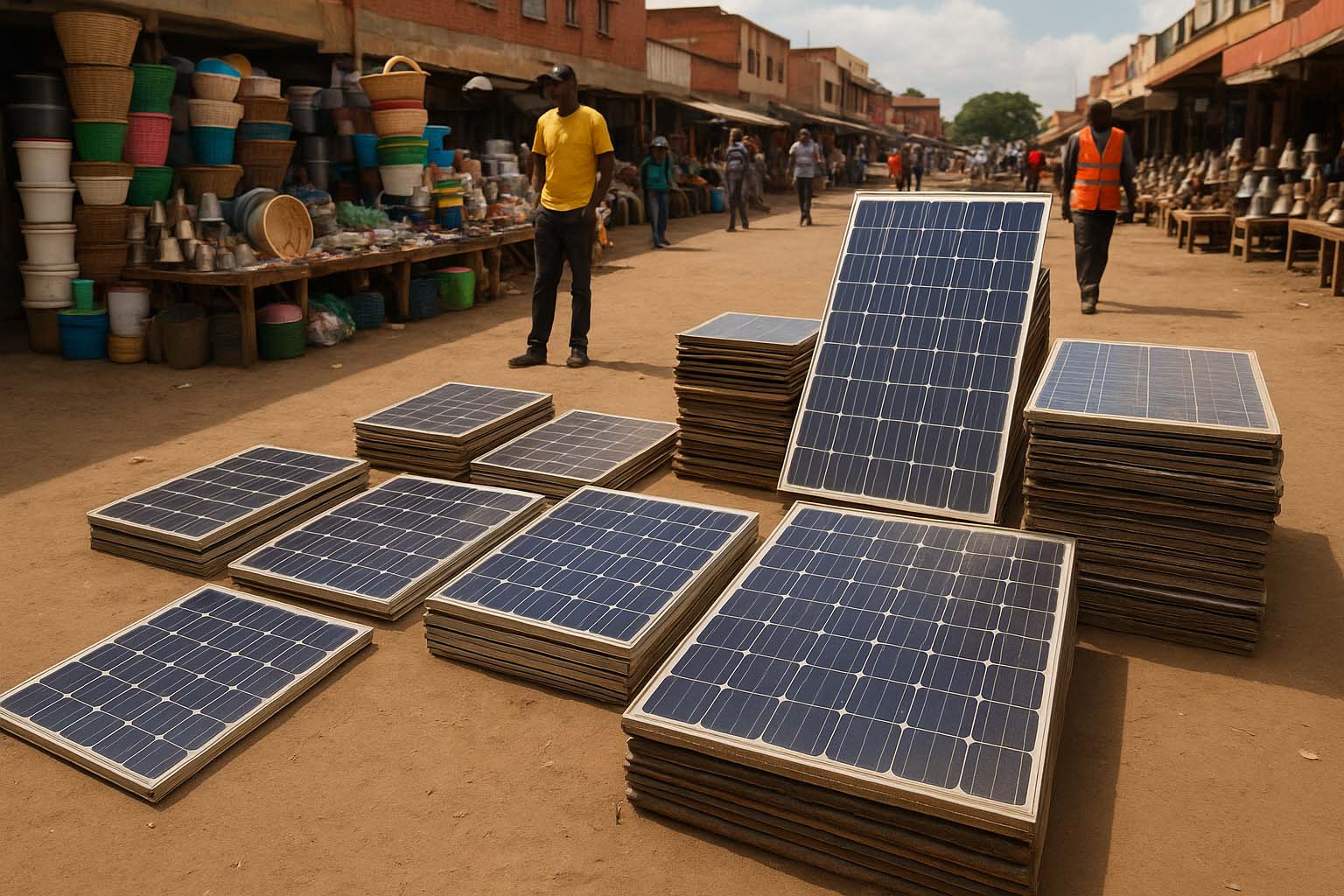
Are Second-Hand Solar Panels Worth Buying in Zimbabwe?
If you’ve ever walked past a hardware shop in Harare or scrolled through a Facebook Marketplace ad, you’ve probably seen them: stacks of second-hand solar panels sold for half the price of brand-new ones. The seller swears they’re “still good as new.”
And let’s be honest—you pause. After all, with ZESA’s load-shedding and the ever-rising cost of electricity, who wouldn’t be tempted by the idea of going solar without draining the entire wallet?
But here’s the million-dollar question: are second-hand solar panels actually worth buying in Zimbabwe? Or are you signing up for short-lived savings and long-term headaches?
Let’s dig into the myths, realities, numbers, and hidden truths behind second-hand solar panels—so you can make a decision you won’t regret.
Table of contents
- Why People Consider Second-Hand Solar Panels
- How Long Do Solar Panels Really Last?
- New vs Second-Hand Solar Panels in Zimbabwe
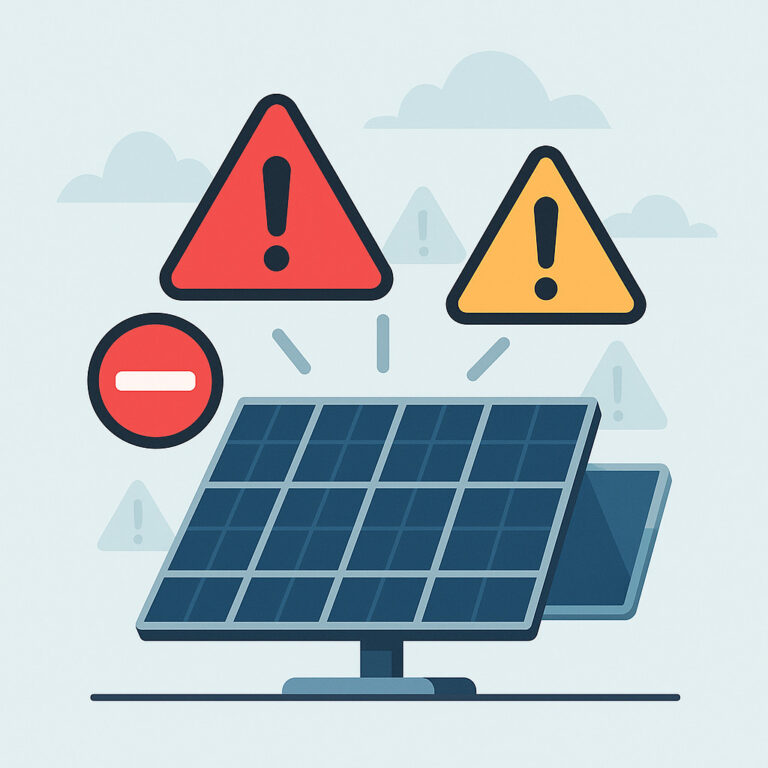
- The Risks of Buying Second-Hand Solar Panels
- When Second-Hand Panels Might Make Sense
- Alternatives to Buying Second-Hand Panels
- Expert Insights
- External Perspectives
- FAQs: Second-Hand Solar Panels in Zimbabwe
- Conclusion: Worth It or Waste of Time?
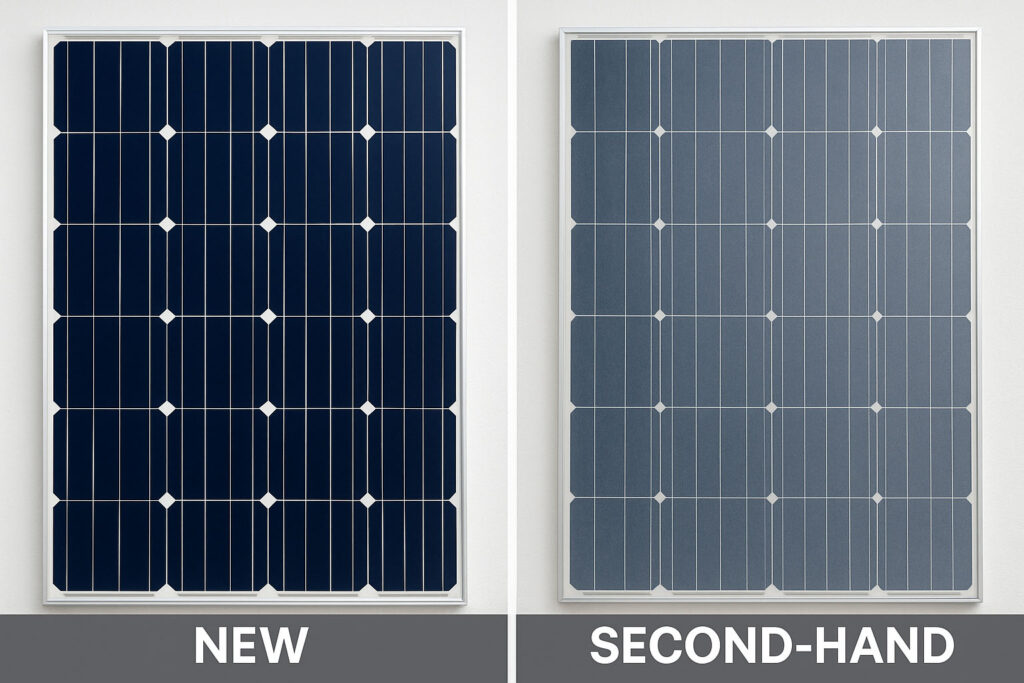
Why People Consider Second-Hand Solar Panels
- Cheaper upfront cost – sometimes half the price of new panels.
- Quick availability – often available locally, no waiting for imports.
- Belief in “foreign quality” – many second-hand panels are imported from Europe or Asia.
- Desperation during load-shedding – people want any solution that gets them through the dark nights.
But does “cheaper upfront” equal “value”? Let’s break it down.
How Long Do Solar Panels Really Last?
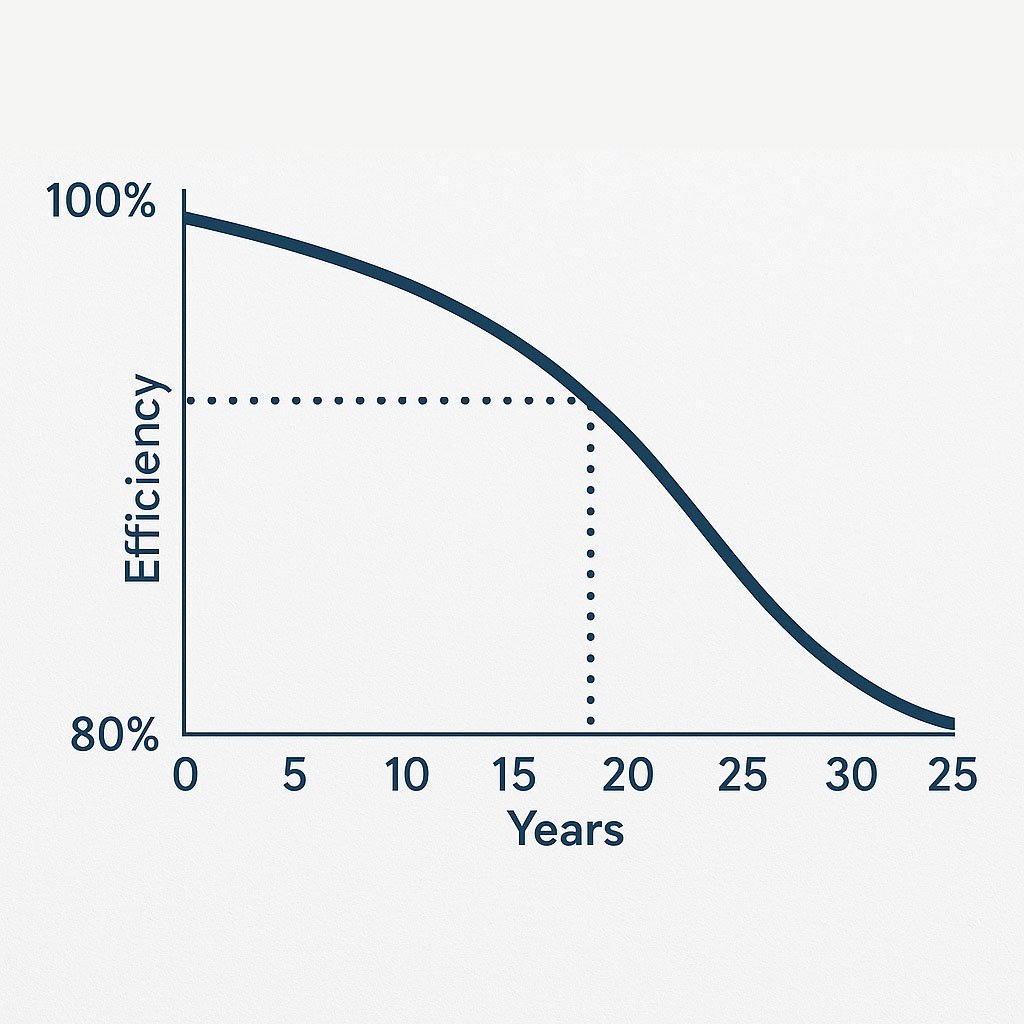
Modern panels have a lifespan of 25–30 years, but their efficiency drops gradually. By year 20, many operate at 70–80% of original capacity. That’s why wealthier countries like Germany, the US, and China often replace them earlier—to upgrade to higher-efficiency models.
When these panels land in Zimbabwe as second-hand imports, they’ve already had years of “sun mileage.” It’s like buying a car with 200,000 km on the clock—it might still run, but not at its best.
For a deep dive into panel durability, read Factors That Affect the Life Span of a Solar Inverter—many of the same principles apply to panels.

New vs Second-Hand Solar Panels in Zimbabwe
| Feature | New Panels | Second-Hand Panels |
|---|---|---|
| Lifespan Remaining | 20–30 years | 5–10 years (if lucky) |
| Warranty | 10–25 years | None |
| Efficiency | 85–100% | 50–80% |
| Initial Cost | Higher | Lower |
| Risk of Failure | Low (with quality brands) | High |
| Support & Service | Available | Rare |
If you’re unsure how to match panel size to your needs, check Sizing Your Solar System: A Step-by-Step Guide.
The Risks of Buying Second-Hand Solar Panels
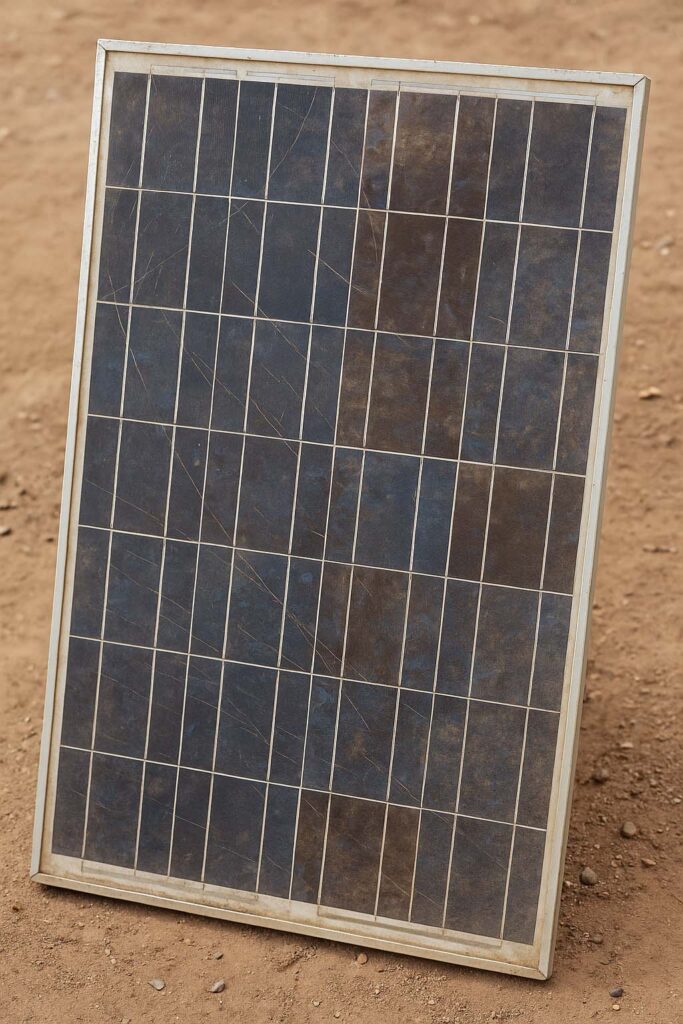
1. Hidden Microcracks
Panels can look fine outside but have invisible cracks inside that reduce efficiency.
2. Degraded Performance
Even if they work, most second-hand panels produce 20–40% less than advertised.
3. No Warranty or Guarantee
If it fails after six months, you’re on your own.
4. Compatibility Issues
Older panels may not match well with modern inverters or lithium batteries. See Regular Power Inverters vs Hybrid Inverters.
5. Shorter Payback Period
By the time you factor in reduced efficiency and replacement costs, second-hand panels often cost more long-term.
When Second-Hand Panels Might Make Sense
- Short-term projects – like a borehole pump for seasonal farming (see Choosing the Right Solar Water Pump for Your Borehole).
- Backup systems – when you already have a reliable main system but want a small emergency backup.
- Very tight budgets – if the choice is second-hand solar or no solar at all.
But even in these cases, you need protection kits to safeguard against surges: Solar System Protection Kits.
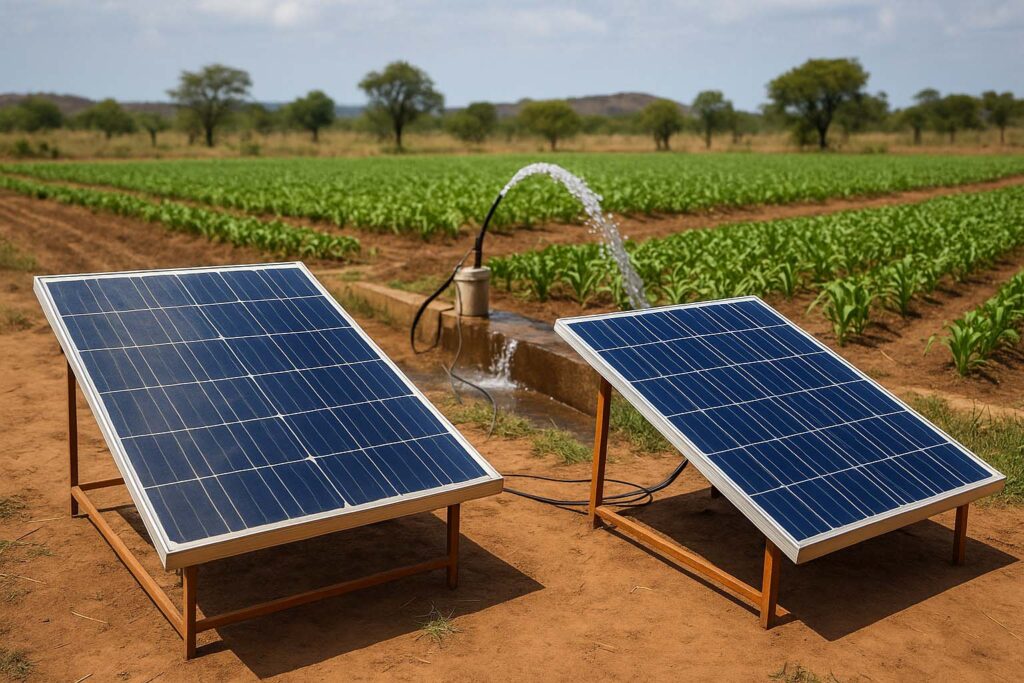
Alternatives to Buying Second-Hand Panels
- Start Small with New Panels – Buy a 2–3 panel system now and expand later.
- Invest in Efficiency – A smaller but efficient system beats a bigger, unreliable one.
- Leverage Net Metering – Offset cloudy or low-output days with ZESA credit (see how).
- Finance or Group Buys – Many Zimbabweans pool resources in cooperatives to afford better systems.
Expert Insights
“Second-hand panels are like lottery tickets. Some may last five years, others fail in one. With Zimbabwe’s harsh dust and heat, you’re better off with fewer but higher-quality new panels.” – Solar Technician, Harare.
For long-term savings, also read How Long Do Lithium Batteries Really Last in Zimbabwe’s Climate?.
External Perspectives
- IRENA Report: Globally, the trend is moving toward higher-efficiency panels and away from second-hand imports. IRENA Solar Report
- U.S. Department of Energy: Notes that while reusing panels is environmentally friendly, they perform worse in regions with high dust and heat. energy.gov
FAQs: Second-Hand Solar Panels in Zimbabwe
Q1: How do I test if a second-hand panel is still good?
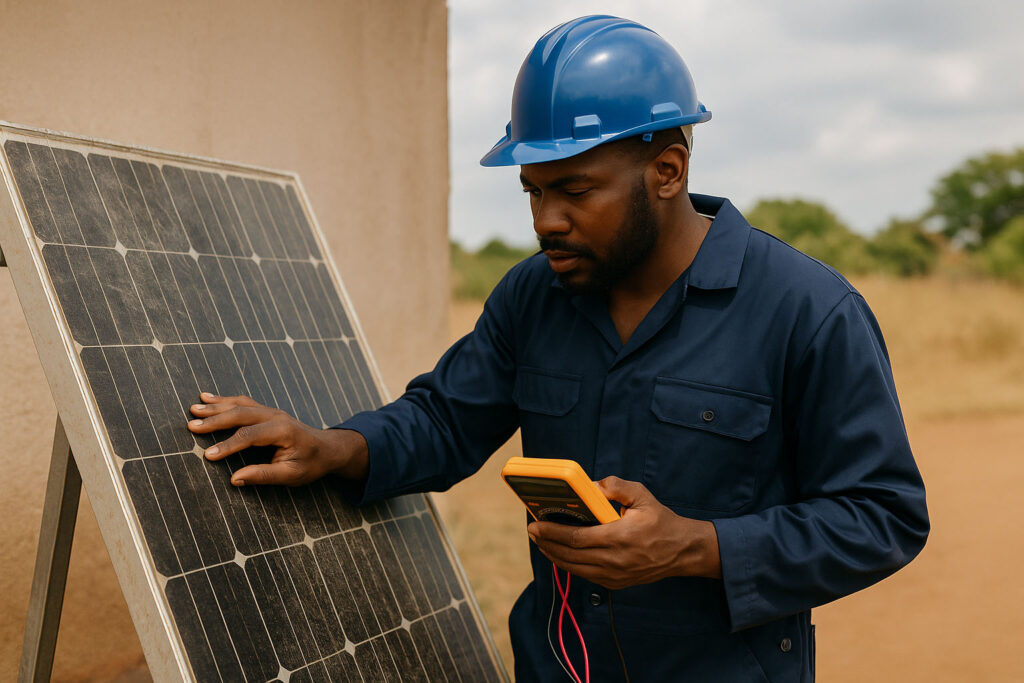
Use a solar meter to check voltage and current under direct sunlight. If it’s below 70% of its rated capacity, skip it.
Q2: Can I mix old panels with new ones?
Technically yes, but not recommended. It drags down the performance of the entire system.
Q3: Why are second-hand panels so cheap?
Because they’re often at the end of their warranty cycle in Europe/Asia.
Q4: What’s a smarter alternative?
Invest in fewer but high-quality new panels. You can always expand later.
Check out Monocrystalline vs Polycrystalline Solar Panels before buying.
Conclusion: Worth It or Waste of Time?
Second-hand solar panels might save you a few dollars today, but in Zimbabwe’s climate—with dust, heat, and ZESA’s unpredictable surges—they often end up being more of a gamble than a solution.
If you truly want reliability, fewer but brand-new, high-efficiency panels are the smarter investment. Your future self (and your fridge full of perishables) will thank you.
Want to explore smarter options? Read:
I once made a mistake of buying second hand solar panels. They had minor cracks at the top and they seemed to work pretty well until the rain season came and water started seeping inside and trapped under the glass, well it was nasty I’m not going to lie.
Sorry for that bad experience