How Reliable Are Must Inverters in Zimbabwe? Real-World Performance, Pros and Limitations
Why Many Zimbabweans Are Considering Must Inverters
If you live in Zimbabwe, you already know how unpredictable electricity can be. Load shedding, voltage fluctuations, and sudden ZESA faults have pushed many homeowners and businesses to invest in solar power.
One of the inverter brands you will often hear about in local solar shops is Must.
Must inverters have become popular because they are more affordable than premium brands while still offering hybrid functionality that can run solar panels, batteries, and grid power together.
But a common question people ask before buying is:
Are Must inverters reliable enough for Zimbabwe’s power conditions?
In this guide, I will explain:
- How Must inverters perform in real-world Zimbabwean setups
- The advantages that make them popular
- The limitations you should know before buying
- Whether they are the right choice for your home or business
By the end of this article, you should have a clear, realistic understanding of Must inverter reliability.
Table of Contents
What Are Must Solar Inverters?
Before discussing reliability, it helps to understand what Must inverters actually are.
A solar inverter is the brain of your solar system. It converts the DC electricity produced by solar panels and batteries into AC electricity that powers your appliances.
Must Power is an international manufacturer that produces affordable hybrid and off-grid solar inverters used widely in Africa, Asia, and other developing markets.
These inverters are designed for places where:
- Grid power is unstable
- Power outages are common
- Backup power is necessary
Zimbabwe fits this environment perfectly.
Common Must Inverter Types in Zimbabwe
Most installations in Zimbabwe use hybrid models. These can combine power from several sources:
- Solar panels
- Lithium or lead-acid batteries
- ZESA grid power
- Backup generators
If you are new to hybrid systems, it helps to understand how these systems work together.
Typical Must Inverter Sizes Used Locally
Most Zimbabwean homes install one of these sizes:
3kVA inverter
- Small homes
- Lights, TV, WiFi, laptop charging
5kVA inverter
- Average households
- Fridges, TVs, lighting, small appliances
8kVA or larger
- Large homes
- Offices or small businesses
Choosing the correct size is extremely important for reliability.
Why Must Inverters Are Popular in Zimbabwe
Must inverters have gained popularity across Zimbabwe for several practical reasons.
Affordable Entry Into Solar
Premium inverter brands such as Sunsynk or Victron can be expensive. Many homeowners simply want a reliable system that fits their budget.
Must inverters often cost significantly less, making them attractive for first-time solar buyers.
Easy Availability
Most solar shops and installers in Zimbabwe stock Must inverters. This means:
- Spare parts are easier to find
- Repairs are easier to arrange
- Installers are familiar with them
Flexible Battery Compatibility
Must inverters work with:
- Lithium batteries
- Lead-acid batteries
- Gel batteries
Lithium batteries are becoming the most common choice because they last longer and charge faster.
Suitable for Entry-Level Solar Systems
For many households dealing with load shedding, the goal is simple:
- Keep lights on
- Run WiFi and laptops
- Power the fridge
- Charge phones
Must inverters can usually handle these needs well when the system is properly sized.
Real-World Performance of Must Inverters in Zimbabwe
The real test of any inverter is how it performs under local conditions.
Zimbabwe’s power environment can be challenging because of:
- Dust
- Heat
- Voltage fluctuations
- Frequent outages
Let’s look at how Must inverters handle these conditions.
Performance During Load Shedding
One of the most important features of a hybrid inverter is the ability to switch between power sources automatically.
A properly configured Must inverter can switch between:
- Solar power during the day
- Battery power during outages
- Grid power when available
In most installations, this switching happens quickly enough that many appliances do not even notice the change.
Performance During Long Power Outages
Zimbabwe sometimes experiences outages lasting many hours.
In these situations, the inverter relies entirely on:
- Solar panels
- Batteries
If the battery bank is large enough, Must inverters can maintain stable power for:
- Lighting
- Refrigeration
- Communication devices
However, heavy loads like electric stoves or geysers are usually not suitable for small systems.
Dust and Environmental Conditions
Zimbabwe’s dusty climate can affect electronic equipment.
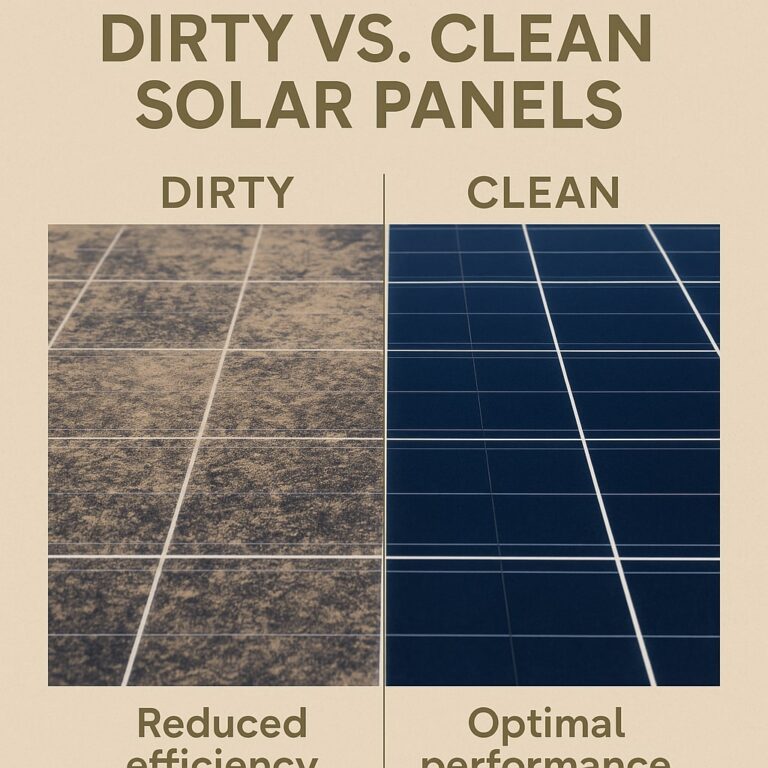
Dust buildup can block cooling vents and reduce airflow.
For this reason, installers often recommend:
- Mounting the inverter indoors
- Installing it in a clean, ventilated area
- Regular dust cleaning
Voltage Fluctuations and Power Surges
Zimbabwe’s grid sometimes experiences sudden voltage spikes.
These can damage sensitive electronics, including solar inverters.
To protect your system, installers normally recommend:
- Surge protection devices
- Lightning arrestors
- Proper grounding
Advantages of Must Solar Inverters
When installed correctly, Must inverters offer several benefits.
Lower Initial Cost
The biggest advantage is affordability.
For homeowners moving to solar for the first time, a Must inverter allows them to start with a smaller investment.
Simple System Configuration
Many installers find Must inverters straightforward to configure.
Basic settings such as:
- Battery charging priority
- Solar usage
- Grid backup settings
can usually be adjusted easily.
Hybrid Capability
Most Must inverters allow systems to combine multiple energy sources.
This flexibility helps during load shedding because the inverter can automatically decide whether to use:
- Solar power
- Battery power
- Grid power
Local Repair Options
Because Must inverters are widely used in Zimbabwe, technicians are often familiar with:
- Fault codes
- Repairs
- Maintenance
This makes servicing easier compared with rare inverter brands.
Limitations of Must Inverters
While Must inverters are useful, they also have some limitations.
Understanding these helps you avoid unrealistic expectations.
Lower Build Quality Than Premium Brands
Higher-end inverter brands often use:
- Better cooling systems
- More durable components
- Advanced electronics
Must inverters are designed to be affordable, so they may not match premium brands in long-term durability.
Limited Smart Monitoring
Many newer inverter brands include advanced features such as:
- Mobile apps
- Cloud monitoring
- Detailed energy tracking
Some Must models have limited monitoring capabilities compared with newer systems.
Lower Surge Capacity
Large appliances can require high startup power.
Examples include:
- Water pumps
- Air conditioners
- Large refrigerators
If the inverter is undersized, these loads may trigger overload warnings.
Cooling and Heat Sensitivity
Inverters generate heat during operation.
If installed in hot or poorly ventilated spaces, Must inverters may:
- Reduce performance
- Shut down temporarily to protect themselves
Proper ventilation is essential.
Common Problems Users Report With Must Inverters
Like all electronic equipment, Must inverters can experience problems if installed incorrectly or overloaded.
Here are some common issues users report.
Overload Warnings
This usually happens when the connected appliances exceed the inverter’s capacity.
Common causes include:
- Too many appliances running at once
- Large motors or pumps
- Incorrect inverter sizing
Battery Charging Issues
Battery problems often result from incorrect configuration.
For example:
- Wrong battery type settings
- Incorrect charging voltages
Using compatible batteries and proper configuration helps prevent these issues.
Cooling Fan Noise
Some users notice the inverter fan running frequently.
This is normal when the inverter is:
- Charging batteries
- Handling heavy loads
However, extremely loud or constant fan noise may indicate ventilation problems.
Tips to Improve the Reliability of Must Inverters
You can significantly improve the lifespan of a Must inverter by following a few best practices.
Choose the Correct Inverter Size
Undersized inverters are one of the most common causes of failure.
Always calculate your household power demand before installing a system.
Install Electrical Protection
Protection equipment reduces the risk of damage caused by:
- Lightning
- Voltage spikes
- ZESA faults
Maintain Proper Ventilation
Good airflow prevents overheating.
Avoid installing inverters:
- Inside cupboards
- In direct sunlight
- In dusty garages
Use Quality Batteries
Cheap batteries often fail quickly and may stress the inverter.
Lithium batteries typically provide:
- Faster charging
- Longer lifespan
- Better efficiency
Who Should Consider Buying a Must Inverter?
Must inverters can be a good option for several types of users.
Homeowners on a Budget
If your goal is to keep essential appliances running during outages, Must inverters can be a practical solution.
Small Businesses
Shops, salons, and small offices often use Must systems to maintain:
- Lighting
- Computers
- Point-of-sale machines
Rural Installations
In off-grid areas where ZESA power is unreliable, Must inverters provide a simple solar power solution.
Final Verdict: Are Must Inverters Reliable in Zimbabwe?
Must inverters can be reliable when they are:
- Properly installed
- Correctly sized
- Protected from electrical surges
- Paired with good batteries
They are not premium inverters, but they offer a practical and affordable solar solution for many Zimbabwean households and small businesses.
If you need advanced monitoring, extremely high performance, or maximum durability, premium inverter brands may be a better option.
However, for many people dealing with daily load shedding, Must inverters provide a balanced combination of affordability and functionality.
The key to reliability is not just the inverter brand, but the entire system design and installation quality.