Do Solar Panels Work on Cloudy Days? Myths vs Reality
Picture this: you finally invested in solar panels, proudly watching them soak up Zimbabwe’s glorious sunshine… until the sky suddenly turns gray. The first thought racing through your head? “Well, that’s it—no power today.”
But is that really true?
This is one of the most common fears homeowners share with me whenever we talk about solar: “Do solar panels actually work when it’s cloudy?” The short answer is yes—but not in the way most people expect. In fact, understanding how panels behave in less-than-perfect weather can help you design a smarter, more reliable solar system.
So, let’s bust some myths, get real about the numbers, and see why cloudy days don’t spell doom for your solar dreams.
Table of contents
- Myth vs Reality: Solar and Clouds
- How Much Power Do Solar Panels Produce on Cloudy Days?
- The Zimbabwean Climate Factor
- FAQs About Solar and Cloudy Days
- Strategies to Maximize Solar on Cloudy Days
- External Perspective: Cloudy Countries That Thrive on Solar
- Why Clouds Aren’t the Real Enemy
- Conclusion: Don’t Let Clouds Block Your Solar Future
Myth vs Reality: Solar and Clouds
Myth 1: All Weather Solar Panels Work the Same Everywhere
The Myth:
Some sales pitches make it sound like “all-weather” solar panels are invincible. The claim is that whether it’s snowing, raining, hailing, or dusty, these panels will keep performing at 100% capacity like a superhero cape in panel form.
The Reality:
“All-weather” doesn’t mean “all-perfect.” What it really means is that modern panels are designed to withstand a wider range of conditions — like extra-tough glass for hail, water resistance for heavy rains, and dust coatings for sandy areas. But performance still depends on your local climate. For instance:
- In Zimbabwe’s dusty climate, panels marketed as “all-weather” still need regular cleaning to maintain efficiency (see maintenance guide).
- In cold, snowy regions, “all-weather” often refers to snow-shedding glass coatings. Clearly, that’s not a big concern in Harare or Bulawayo!
- In coastal humid areas, it might mean better corrosion resistance.
So, while these panels are more robust than older generations, they’re not magic wands. Choosing the right panel should always consider your climate, not just the label.
Quick Takeaway:
If you live in Zimbabwe, an “all-weather” solar panel helps with occasional storms or dust, but you’ll still get the most out of your system with proper care and location-specific planning.
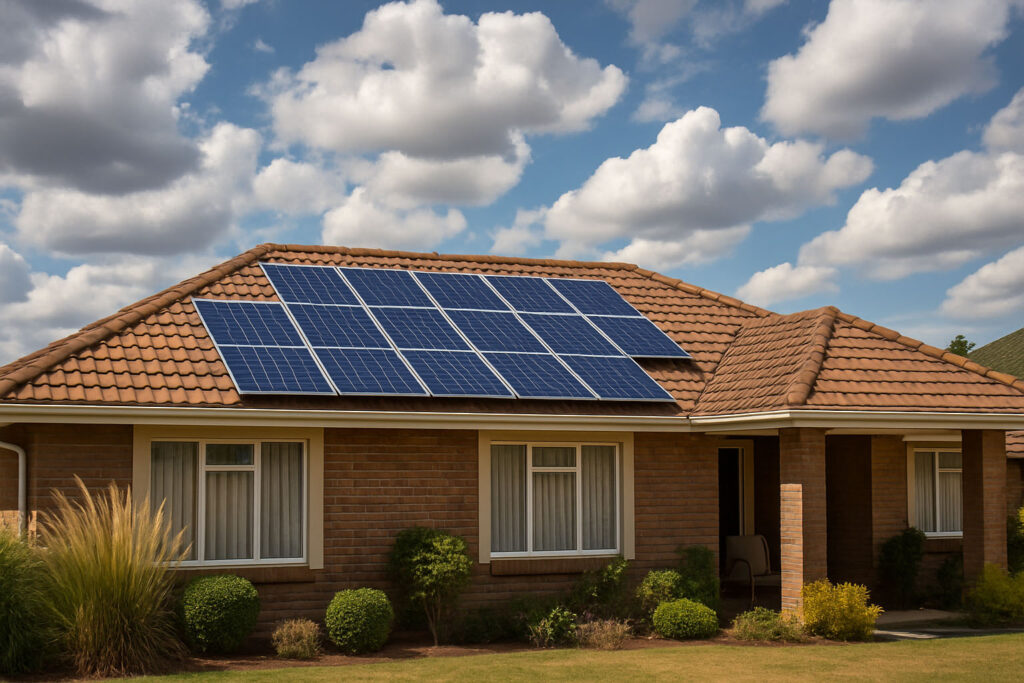
Myth 2: Solar panels stop working completely on cloudy days.
Reality: Nope. They still work, just at reduced efficiency. Think of it like your eyes adjusting to shade—you still see, just not as brightly.
Myth 3: Rainy seasons make solar useless.
Reality: Rain actually helps! It washes dust and bird droppings off your panels, improving efficiency once the sun returns.
Myth 4: You need constant sunshine for solar to make sense.
Reality: Solar systems are designed with Zimbabwe’s varied weather in mind. With net metering and battery storage, you can balance sunny and cloudy days smoothly.
Want to know how system design affects this? Check out Sizing Your Solar System: A Step-by-Step Guide.
How Much Power Do Solar Panels Produce on Cloudy Days?
Cloudy conditions can cut solar panel performance by 10% to 60%, depending on how thick the cloud cover is. Surprisingly, panels can sometimes generate more than expected due to the “silver lining effect”—when sunlight reflects off the edge of clouds and boosts output for short bursts.
Here’s a quick table to illustrate:
| Weather Condition | Approx. Solar Efficiency | What This Means for You |
|---|---|---|
| Clear sunny day 🌞 | 100% | Full output, batteries charging fast |
| Light clouds 🌤️ | 70–90% | Noticeable drop, but still solid performance |
| Thick clouds ☁️ | 30–60% | Lower output, rely on batteries/grid backup |
| Rainy but bright 🌧️ | 50–80% | Rain cleans panels, medium performance |
Monitoring this in real-time is possible. See All You Need to Know About Solar System Monitoring.
The Zimbabwean Climate Factor
Here’s the good news: Zimbabwe enjoys over 300 days of sunshine a year, with average solar radiation among the highest in the world. Even in rainy months like December and January, cloud cover is intermittent. That means your system will still get enough sunlight to generate power across the year.
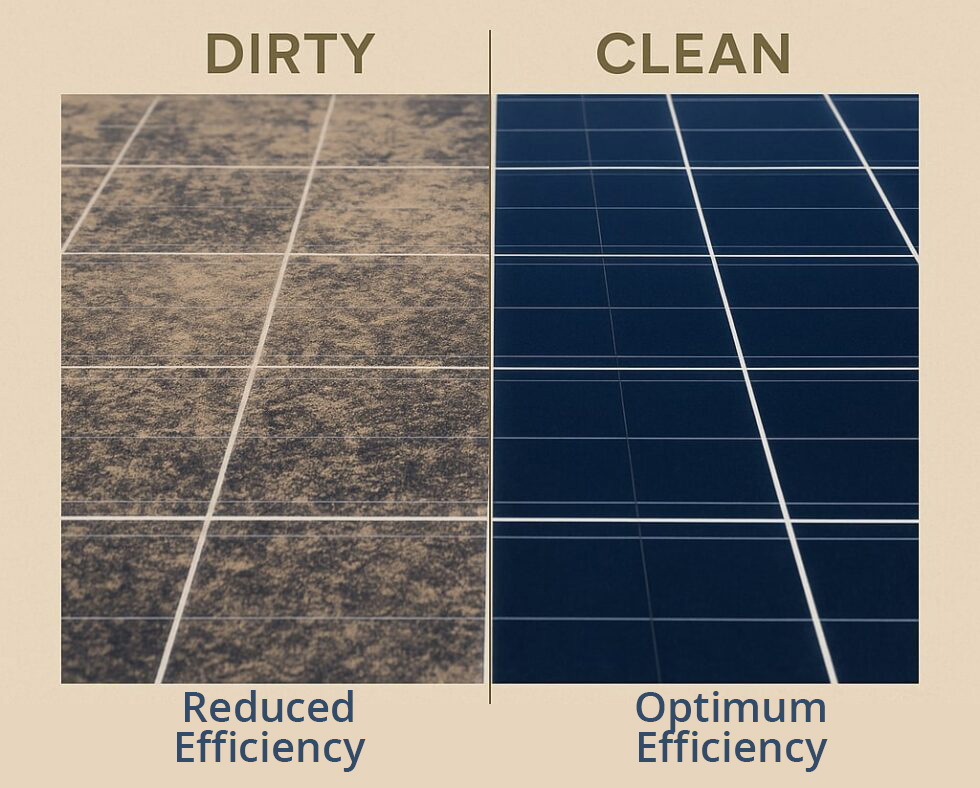
But the dusty climate also plays a role. Dust and debris can reduce panel efficiency far more than occasional clouds. That’s why regular cleaning is just as important as planning for cloudy weather. For tips, read How to Maintain Your Solar Panels in Zimbabwe’s Dusty Climate.

FAQs About Solar and Cloudy Days
Q: Will my lights go off during cloudy weather?
A: Not if your system includes reliable batteries or is tied to the ZESA net metering program. Learn more in ZESA Promotes Solar Net Metering: A Benefit to Consumers.
Q: Should I oversize my solar system to cover cloudy days?
A: Not necessarily. Oversizing is expensive. A better solution is to add efficient lithium batteries—see How Long Do Lithium Batteries Really Last in Zimbabwe’s Climate?.
Q: Do different types of panels perform better in clouds?
A: Yes. Monocrystalline panels usually outperform polycrystalline in low-light conditions. Check out Monocrystalline vs Polycrystalline Solar Panels: Which Should You Choose?.
Q: Can smart solar tech help?
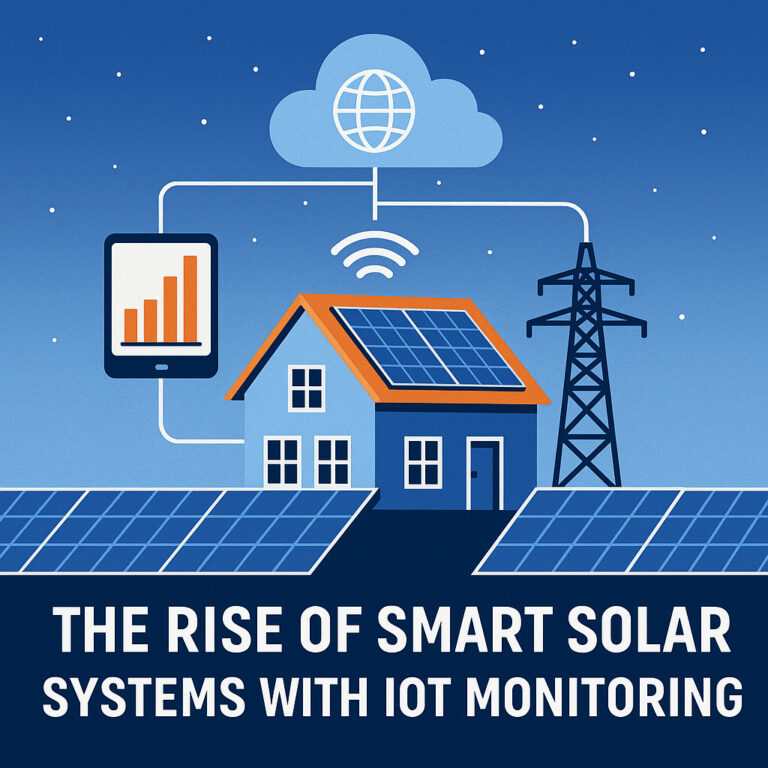
A: Absolutely. Smart inverters and IoT-based monitoring help adjust for cloudy weather and maximize storage. See The Rise of Smart Solar Systems with IoT Monitoring.
Strategies to Maximize Solar on Cloudy Days
- Use hybrid inverters. They allow smooth switching between solar, batteries, and grid. See Regular Power Inverters vs Hybrid Inverters.
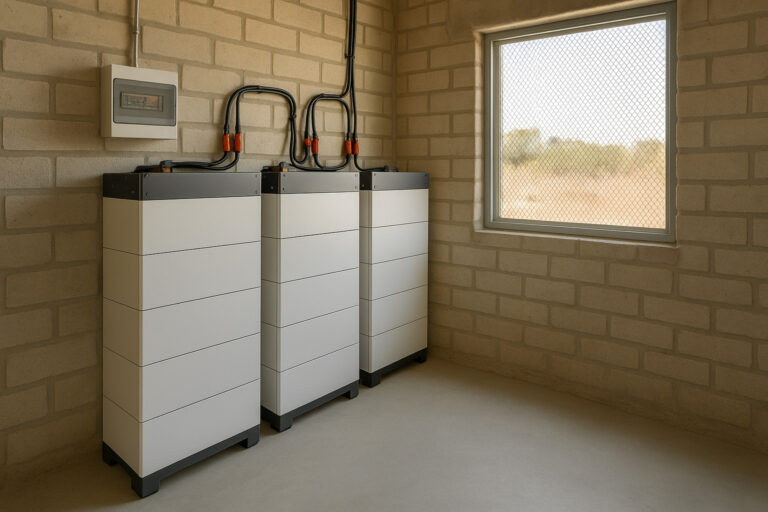
- Invest in storage. Lithium batteries keep you powered through long cloudy stretches.
- Add a solar protection kit. Clouds mean more electrical surges. Protection kits are a must—here’s why.
- Optimize tilt and cleaning. Panels should be angled correctly and cleaned after dust storms.
- Track your system. Use monitoring tools to understand patterns and plan usage.
External Perspective: Cloudy Countries That Thrive on Solar
If Germany (with far fewer sunny days than Zimbabwe) can power millions of homes with solar, so can you. According to the International Renewable Energy Agency (IRENA), Germany gets nearly 40% of its electricity from renewables, with solar playing a huge role.
Source: IRENA Renewable Energy Statistics
Another interesting point comes from the U.S. Department of Energy, which confirms that even on cloudy days, solar panels produce 10–25% of their capacity—proof that weather is no barrier to adoption.
Source: energy.gov
Why Clouds Aren’t the Real Enemy
The truth? Clouds aren’t your solar system’s biggest challenge. The real culprits are:
- Poorly sized systems → leading to underperformance.
- Cheap, low-quality panels → failing faster in harsh climates.
- Lack of maintenance → dust and bird droppings blocking efficiency.
- Wrong installation choices → DIY shortcuts vs pro setups. (See DIY Solar Installation vs Professional Setup: Pros and Cons).
If you tackle these issues, cloudy days become just a minor inconvenience instead of a deal-breaker.
Conclusion: Don’t Let Clouds Block Your Solar Future
So, do solar panels work on cloudy days? Yes. They may not deliver 100% of their sunny-day glory, but they’ll still keep your fridge humming and your lights on. With smart system design, batteries, and maintenance, cloudy days won’t dim your solar lifestyle in Zimbabwe.
Remember, Zimbabwe is blessed with abundant sunshine. Occasional clouds are just part of the rhythm. And with the right setup, you’ll be prepared for both the brightest days and the grayest afternoons.
Ready to explore more? Browse our Solar Blog for tips, guides, and expert insights. Or check out: