
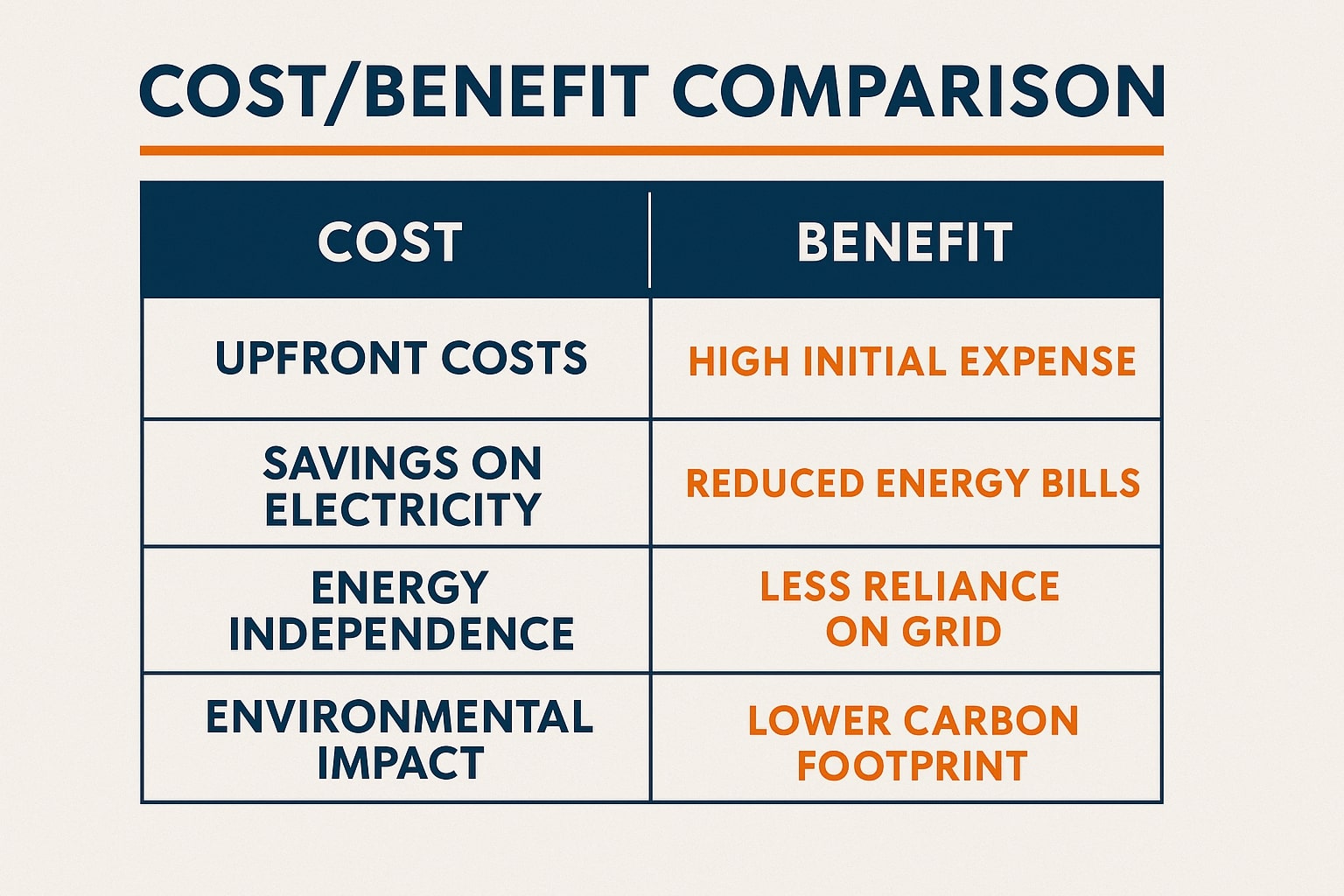
Solar Energy Trends in Zimbabwe: What Homeowners Should Expect
Here’s a scene you probably know too well: it’s 8 pm, ZESA has disappeared again, and you’re fumbling around the house with a candle like it’s 1995. Meanwhile, your neighbor’s solar-powered lights are glowing like a Christmas tree. That moment, you realize solar energy in Zimbabwe isn’t just a “trend” — it’s a lifeline.
But where is solar heading in Zimbabwe? What should homeowners expect in 2025 and beyond? Will systems get cheaper? Smarter? Easier to install? Or will they remain a preserve of those with fat wallets? Let’s take a close look at what’s shaping Zimbabwe’s solar future and how it impacts you.
Table of contents
- 1. Smarter Solar Systems with IoT
- 2. Net Metering: Selling Power Back to ZESA
- 3. Falling Solar Panel Costs (But Quality Still Matters)
- 4. Battery Storage Gets Cheaper (and Better)
- 5. Hybrid Solar Systems on the Rise
- 6. Protection Kits and Smarter Installs
- 7. Water Meets Solar: Borehole Pumps
- 8. The Mistakes Homeowners Keep Making
- FAQ: Solar Energy in Zimbabwe
- Table: Key Solar Trends for Homeowners
- Conclusion
1. Smarter Solar Systems with IoT
Remember when solar panels just sat on a roof and silently worked? Those days are gone. Modern systems are getting “smarter” thanks to IoT (Internet of Things) technology.
- Homeowners can now monitor their solar output in real-time using apps.
- Some setups even let you control appliances remotely based on solar production.
- Smart inverters can “talk” to batteries, maximizing efficiency.
This isn’t sci-fi — it’s already here. Check out our piece on the rise of smart solar systems with IoT monitoring to see how it’s unfolding in Zimbabwe.
2. Net Metering: Selling Power Back to ZESA
A growing trend that’s stirring excitement is net metering. Imagine your solar panels generating more power than you use during the day. Instead of wasting it, you sell it back to ZESA.
- This means reduced power bills (or sometimes credits).
- It also encourages more people to adopt solar.
- Farmers and businesses especially stand to benefit.
Zimbabwe has already taken steps here. For details, see ZESA promotes solar net metering – a benefit to consumers.
3. Falling Solar Panel Costs (But Quality Still Matters)
Globally, solar panel prices have been dropping. While Zimbabwe’s import duties and supply chain challenges add cost, the overall trend is downward.
What this means for you:
- More affordable entry-level systems.
- A chance to upgrade older setups without breaking the bank.
- But beware of cheap, low-quality panels that fail within two years.
Want to know which panels make sense for your setup? Read Monocrystalline vs Polycrystalline Solar Panels.
4. Battery Storage Gets Cheaper (and Better)
Let’s be honest — batteries are the most painful part of going solar. They cost a fortune and die faster than we’d like. But good news:
- Lithium-ion batteries are becoming more accessible in Zimbabwe.
- They last longer than traditional lead-acid batteries.
- Prices are slowly dropping as demand rises.
Curious if lithium is worth the hype? Check our post: The lithium-ion batteries hype: overrated or still relevant?.
Also, don’t ignore the warning signs. If your backup is failing faster than expected, read Signs your solar battery needs replacing.
5. Hybrid Solar Systems on the Rise
Zimbabwean homeowners aren’t just going off-grid or staying on-grid anymore. The future is hybrid systems — setups that combine solar, batteries, and ZESA (when it feels like showing up).
Why hybrids make sense:
- Flexibility during long cloudy spells.
- Backup when ZESA is available.
- Can power larger homes and businesses.
For a breakdown of different setups, check Types of solar systems: grid-tied, off-grid and hybrid.
6. Protection Kits and Smarter Installs
With more homeowners investing, protecting your system is no longer optional. Surges, lightning, and dust are major threats in Zimbabwe.
- Expect to see more people investing in solar protection kits.
- Professional installs will also outpace DIY attempts, as botched setups often shorten system life.
We explain more in Solar system protection kits – why they’re essential for your investment and DIY vs professional solar installation.
7. Water Meets Solar: Borehole Pumps
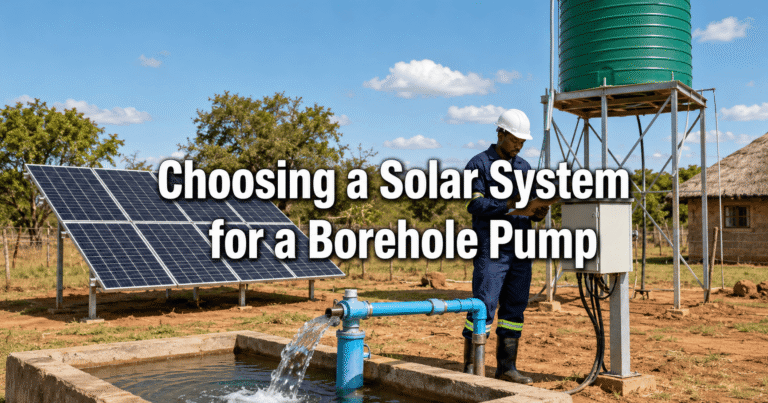
Water and power shortages are Zimbabwe’s twin headaches. The trend of powering borehole pumps with solar is booming — especially in rural and peri-urban communities.
Why?
- Reliable access to water.
- Independence from ZESA.
- Scalable from homesteads to farms.
We’ve broken this down fully in Solar panels for boreholes in Zimbabwe.
8. The Mistakes Homeowners Keep Making
Trends aside, some old mistakes just won’t die:
- Buying too small a system that can’t meet household needs.
- Going for the cheapest brand instead of focusing on quality.
- Skipping regular maintenance until the inverter cries.
If you’re about to invest, please read Top 7 mistakes newbies make when going solar. It’ll save you cash and headaches.
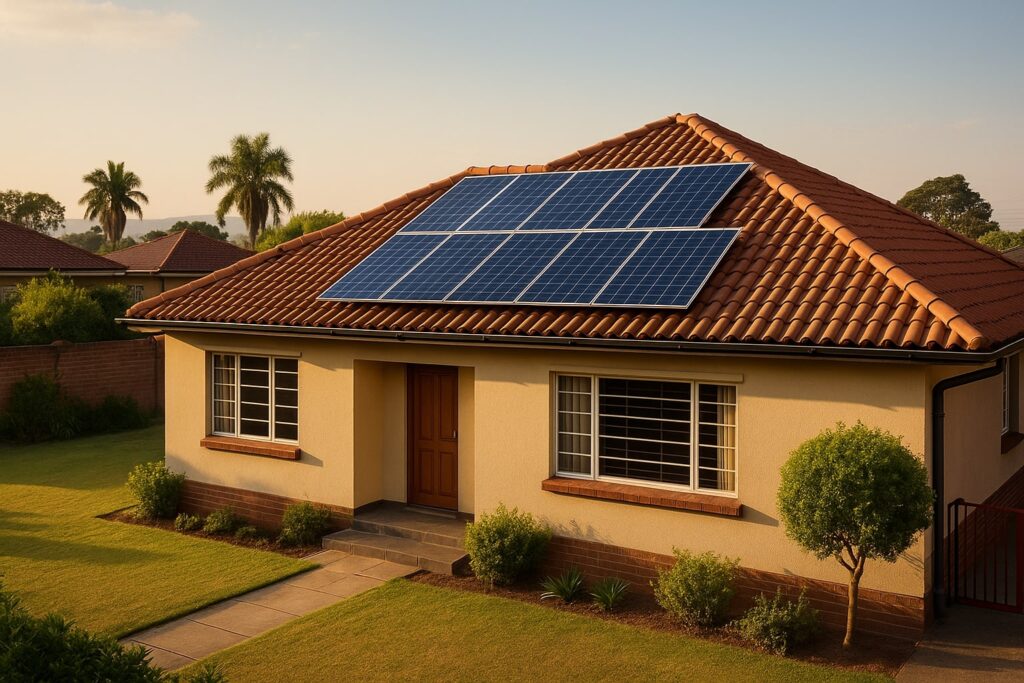
FAQ: Solar Energy in Zimbabwe
Q1: Is solar worth it in Zimbabwe in 2025?
Yes. With rising tariffs, unreliable grid power, and more affordable systems, it’s more than worth it.
Q2: How much does a small home system cost?
Between $800–$1,500 for entry-level setups. See sizing your solar system for details.
Q3: Can I power my whole house with solar?
Yes, but it depends on your consumption. A hybrid or fully off-grid system may be needed.
Q4: What’s the lifespan of solar panels and inverters?
Panels: 20–25 years. Inverters: 7–12 years, depending on care. For inverter tips, see Factors that affect the life span of a solar inverter.
Q5: Do solar systems need daily monitoring?
No, but monitoring helps optimize usage. Here’s why: All you need to know about solar system monitoring.
Table: Key Solar Trends for Homeowners
| Trend | Impact for Homeowners | What to Do |
|---|---|---|
| Smart systems (IoT) | Better monitoring & control | Install monitoring apps |
| Net metering | Lower bills, potential credits | Apply for ZESA net metering program |
| Falling panel costs | Easier access to solar | Avoid ultra-cheap, poor-quality panels |
| Lithium-ion batteries | Longer lifespan, more reliable | Budget for lithium upgrade |
| Hybrid setups | Flexibility during outages | Consider hybrid if you rely on ZESA |
| Borehole solar pumps | Reliable water + energy independence | Match pump size to borehole depth |
| Professional installation | Longer lifespan, fewer breakdowns | Hire certified installers |
Conclusion
Solar energy in Zimbabwe is no longer a side show. It’s central to how homes run, how families access water, and how businesses stay afloat during load-shedding.
As a homeowner, expect solar to get:
- Smarter (hello IoT).
- Cheaper (but watch out for fakes).
- More reliable (thanks to better batteries and hybrids).
The real question isn’t “Should I go solar?” anymore. It’s “How soon can I switch?”
Thinking of upgrading or installing solar? Start with our step-by-step guide to sizing your solar system, and drop a comment below — what solar trend excites you the most in 2025?

Good article