Dongyin Solar DC Pumps in Zimbabwe: Are They Worth the Investment?
If you live in Zimbabwe, you already know that water is life. Whether it’s your family’s daily supply, farming in the lowveld, or keeping your garden alive through October’s blistering heat, a reliable borehole pump is priceless. But here’s the catch — running that pump on ZESA (when it’s available) is expensive, and diesel-powered options are even worse.
That’s where Dongyin solar DC pumps enter the chat. They promise efficiency, reliability, and independence from the grid. But let’s be real: are they really worth the investment, or just another shiny gadget with a big price tag? Let’s dive into the details and see what makes sense for homeowners, farmers, and small businesses in Zimbabwe.
Table of contents
- What Is a Dongyin Solar DC Pump?
- Why Zimbabweans Are Considering Dongyin Solar DC Pumps
- Benefits of Dongyin Solar DC Pumps
- Drawbacks You Should Know
- Cost vs Value: A Quick Table
- How Dongyin Compares to Other Solar Pumps
- FAQs: Dongyin Solar DC Pumps in Zimbabwe
- Real-Life Anecdote
- Maintenance Tips for Longevity
- External Factors to Consider
- Conclusion
What Is a Dongyin Solar DC Pump?
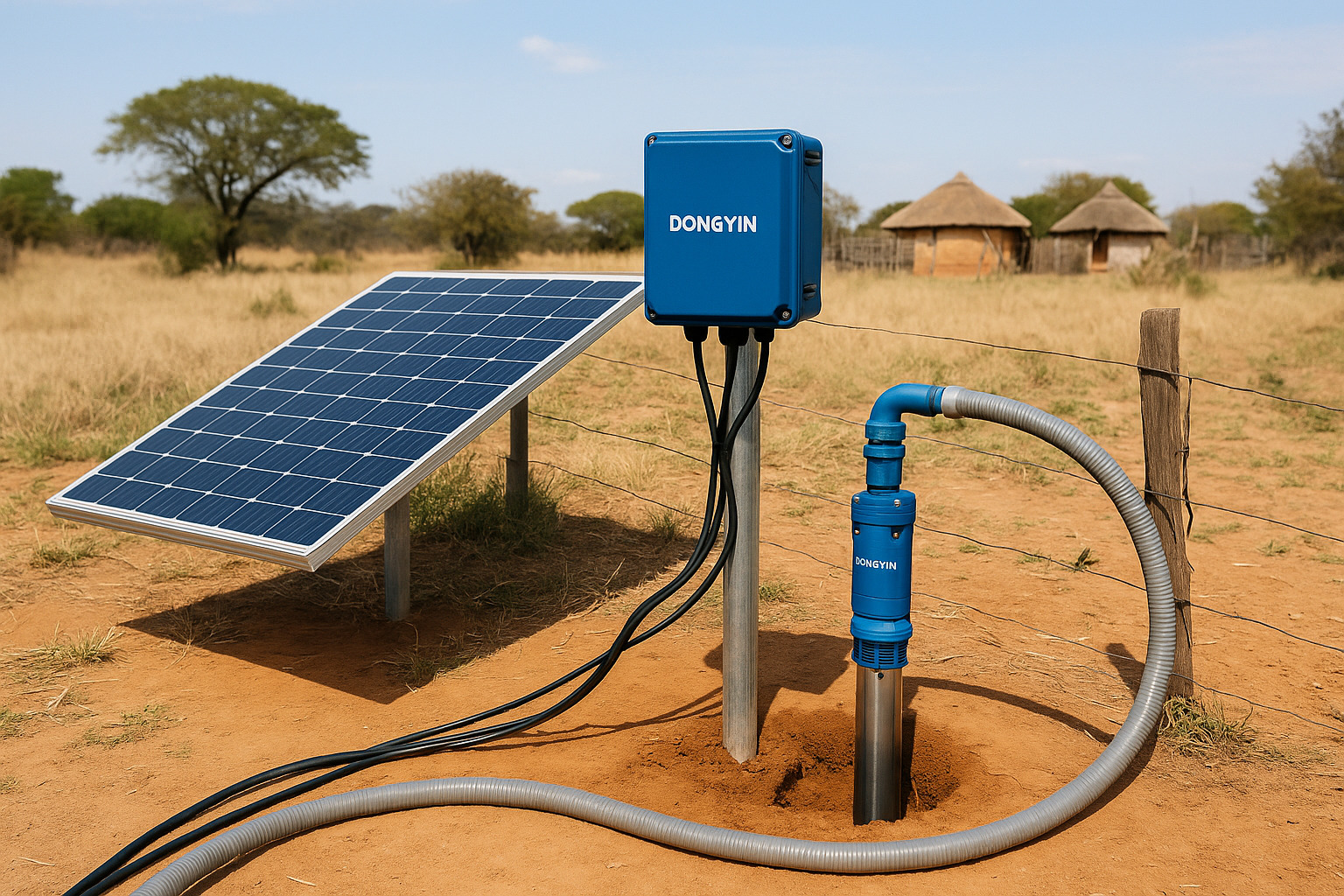
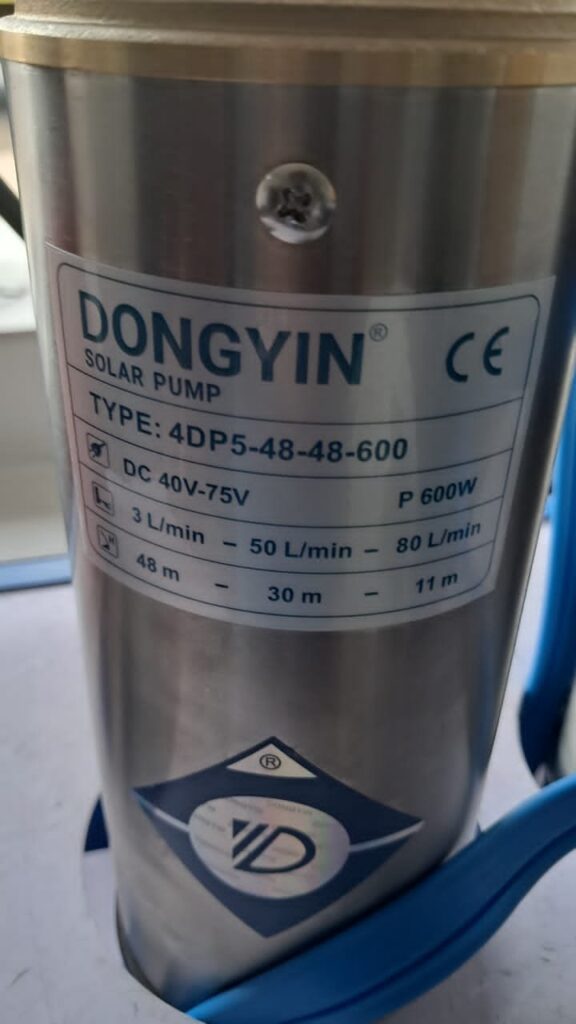
In plain English, a solar DC pump is a borehole pump that runs directly from solar panels without needing an inverter. Dongyin, a global pump brand, is especially popular in Africa because:
- It’s designed for direct solar use, meaning less energy loss.
- Works well in remote areas where ZESA is unreliable.
- Can handle various depths and flow rates, making it suitable for homes, farms, and schools.
If you’re confused about the difference between AC vs DC pumps, check out our guide on Choosing the Right Solar Water Pump for Your Borehole.
Why Zimbabweans Are Considering Dongyin Solar DC Pumps
- Load-shedding realities: ZESA isn’t exactly dependable.
- Rising tariffs: Monthly bills are only going one way — up.
- Abundant sunshine: With 300+ sunny days a year, solar is obvious.
- Water security: Boreholes + solar = independence.
This trend ties into a bigger picture of solar energy trends in Zimbabwe. Solar pumping is becoming a national shift, not just a rural backup plan.
Benefits of Dongyin Solar DC Pumps
1. Energy Efficiency
Since DC pumps run directly from panels, they waste less energy compared to AC systems that need inverters.
2. Lower Long-Term Costs
Yes, the upfront cost stings, but over 5–10 years, savings are massive compared to diesel or grid power.
3. Durability
Dongyin pumps are built with brushless motors that can last longer with minimal servicing.
4. Flexibility
- Suitable for boreholes as deep as 150m.
- Works with tanks for daytime pumping (no batteries needed).
For a deeper dive into system efficiency, check our breakdown of How Solar Charge Controllers Work.
Drawbacks You Should Know
- High Initial Cost: Depending on borehole depth, a Dongyin system may run between $1,200 and $5,000+.
- Panel Dependency: No sun = no pumping (unless you add batteries, which raise costs).
- Dust Factor: Zimbabwe’s dry climate means panels need frequent cleaning. (See our guide: How to Maintain Your Solar Panels in Zimbabwe’s Dusty Climate).
- Spare Parts: While Dongyin has decent availability, parts aren’t always as cheap or easy to source as local brands.
Cost vs Value: A Quick Table
| System Size | Typical Depth | Daily Output | Approx. Cost (USD) | Best For |
|---|---|---|---|---|
| Small (0.5–1kW) | 20–40m | 2,000–4,000L | $1,200–$2,000 | Homesteads, small gardens |
| Medium (1.5–2kW) | 40–80m | 5,000–10,000L | $2,500–$3,800 | Small-scale farming |
| Large (3–5kW) | 80–150m | 15,000–25,000L | $4,500–$6,000+ | Commercial farms, schools |
How Dongyin Compares to Other Solar Pumps
- Vs Generic DC Pumps: More durable, higher efficiency, but pricier.
- Vs AC Pumps: AC can handle more load but needs an inverter. DC is simpler and more cost-effective for boreholes.
For Zimbabwean households deciding between system types, see Types of Solar Systems: Grid-Tied, Off-Grid, and Hybrid.
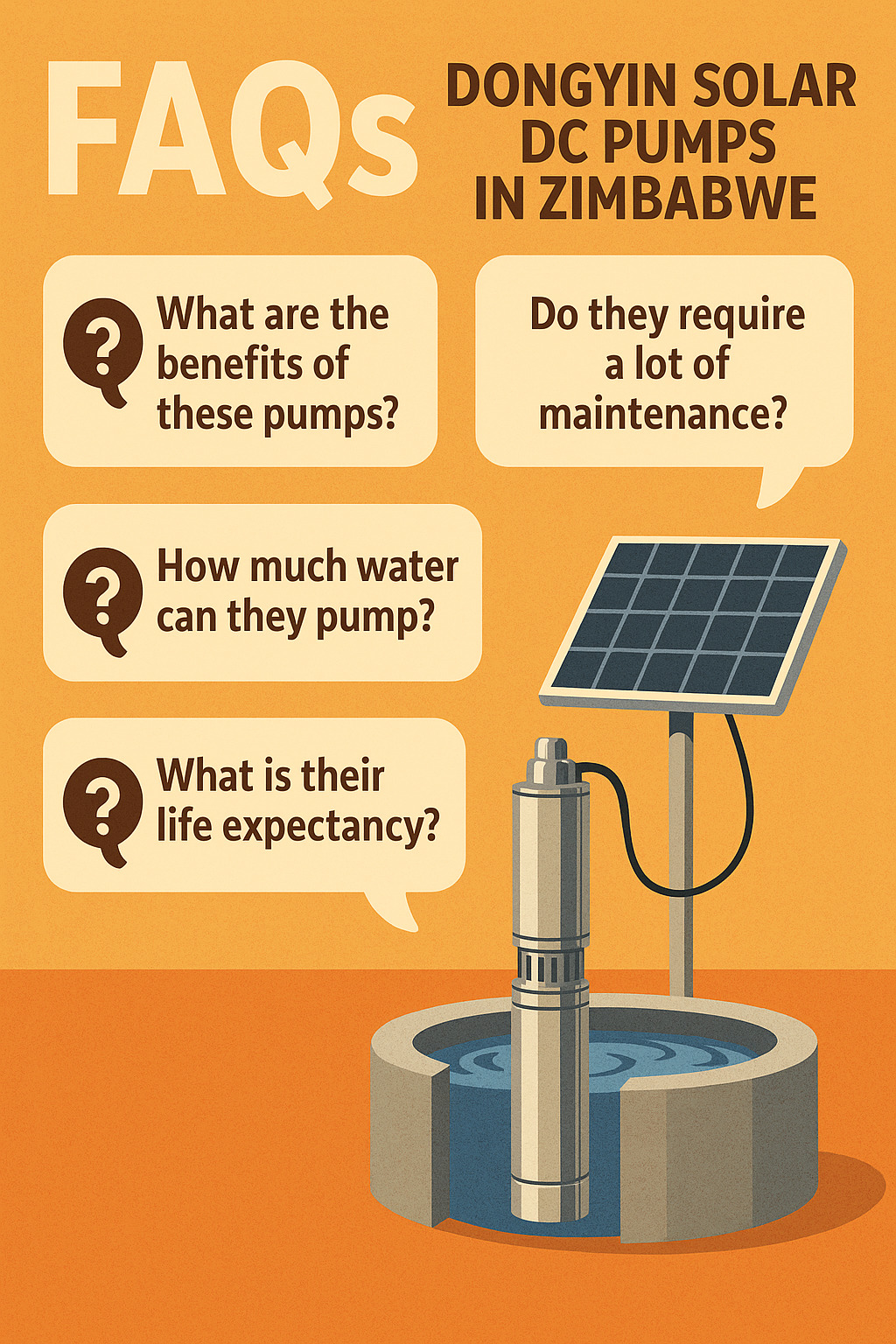
FAQs: Dongyin Solar DC Pumps in Zimbabwe
Q1: How long does a Dongyin solar pump last?
With good maintenance, 7–10 years. Panels last 20–25 years.
Q2: Do I need batteries?
Not necessarily. Most systems pump into tanks during the day.
Q3: Can Dongyin pumps work in very deep boreholes?
Yes, some models go up to 150m, but system cost rises with depth.
Q4: What happens on cloudy days?
Flow reduces. Hybrid setups with backup are ideal if you need constant supply.
Q5: Is professional installation necessary?
Highly recommended. Mistakes in sizing and cabling are costly. (See DIY vs Professional Setup).
Real-Life Anecdote
A farmer in Mazowe shared how he replaced his old diesel pump with a Dongyin solar DC pump. His monthly diesel bill was about $250. After switching, his upfront cost was $3,200 — but within 14 months, the savings covered the investment. His only regret? Not switching earlier.
Maintenance Tips for Longevity
- Clean panels regularly to avoid dust losses (output can drop by 20% or more).
- Service pump annually — check bearings, seals, and motor.
- Install surge protection to safeguard against lightning (see Protection Kits).
- Monitor performance with apps or manual checks (Solar Monitoring Guide).
External Factors to Consider
- ZESA net metering: If you oversize your system, you may be able to feed excess back to the grid (ZESA Net Metering Explained).
- Future-proofing: Lithium-ion batteries may eventually complement pumps for storage (Lithium-ion Battery Guide).
- Climate shifts: Drought periods make solar pumping even more valuable.
Conclusion
So, are Dongyin solar DC pumps in Zimbabwe worth the investment?
Yes — if you want long-term water security, freedom from ZESA, and reduced running costs.
No — if you expect instant returns or aren’t ready for upfront costs.
In the bigger picture, Dongyin DC pumps fit perfectly into Zimbabwe’s move toward solar-powered independence. For homes, farms, and institutions, they’re not just pumps — they’re a statement: “We’re done waiting for ZESA.”
Thinking of going solar for your borehole? Start by reading our Solar Panels for Boreholes in Zimbabwe Guide and avoid common mistakes newbies make.