Top 7 mistakes newbies make when going solar
Imagine this: You’ve finally taken the plunge and decided to go solar. You envision lower electricity bills, a 24/7 backup solar system , and overall, an increased energy independence. However, the journey to solar bliss can sometimes be riddled with pitfalls. Many newcomers make common mistakes that can impact the efficiency, cost-effectiveness, and overall satisfaction of their solar system. I’m going to guide you through these potential pitfalls and equip you with the knowledge to avoid them, ensuring a smooth and successful solar journey.
Table of contents
1. Getting Multiple Quotations for the sake of getting them
When it comes to solar installation, getting multiple quotes from multiple different reputable installers is crucial, I get that. Avoiding falling into the trap of selecting the first company you come across seems logical. Different installers offer varying prices, warranties, system components, and levels of customer service. By obtaining multiple quotes, you get to compare these factors. I have seen people get so obsessed on the cheapest options and ending up getting a substandard soar system. You need to understand that its not just about price and make an informed decision that best suits your needs and of course your budget. Of course don’t underestimate the potential for significant price variations between installers as a little research can save you thousands of dollars.
2. Ignoring Your Energy Consumption Patterns
Before investing in a solar system, thoroughly analyse your energy consumption patterns. Scrutinize your electricity bills to understand your energy usage throughout the year. Identify peak usage times and consider how your energy needs might change in the future. A common mistake is noting your current energy consumptions when for example you are in summer forgetting that in winter you might also want to run heating appliances that you might not be currently using might you might heavily depend on them in the future.
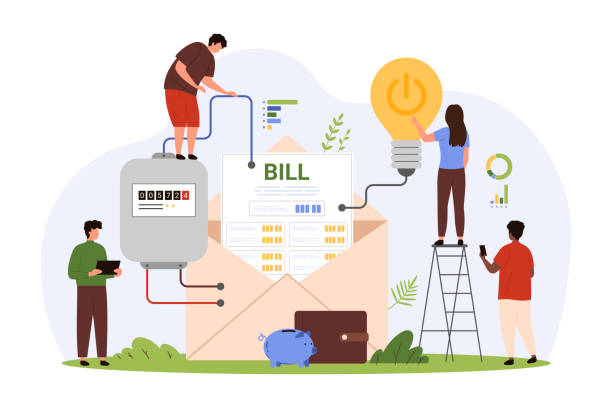
An undersized system will fail to meet your energy demands, leading to frustration and ongoing reliance on the grid which might let you down should unforeseen power cuts become more common unexpectedly. Conversely, an oversized system will be an unnecessary expense, as you’ll be generating more energy than you actually need. A good point to note is that you can also use an oversized system to cut down your utility bill using net metering. Track your energy consumption to make informed decisions and ensure your solar system is perfectly sized for your specific needs.
3. Neglecting Shading Analysis
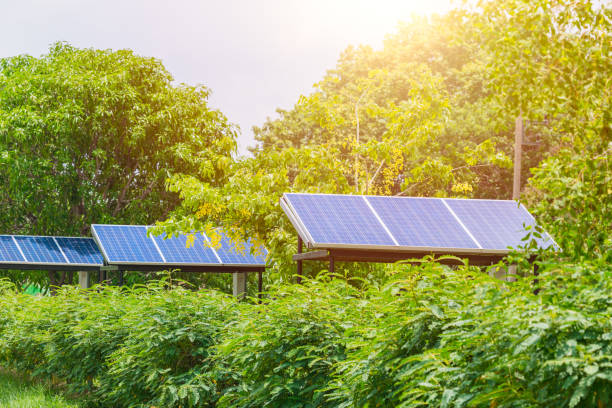
Shade from trees, buildings, or other obstructions can significantly diminish the performance of your solar panels. Neglecting to conduct a thorough shading analysis during the site assessment can lead to disappointing energy production and reduced system efficiency. Observe how shadows move across your roof throughout the day. Work closely with your installer to identify potential shading issues and explore mitigation strategies, such as tree trimming or adjusting panel orientation.
4. Overlooking Local Regulations and Incentives

Navigating the world of solar regulations and incentives can be complex. Before making any decisions, thoroughly research local building codes, permitting requirements, and any applicable regulations. Familiarize yourself with available local, state, and federal solar incentives, such as tax credits, rebates, and net metering programs. These incentives can significantly reduce the upfront cost of going solar and accelerate your return on investment.
5. Focusing Solely on Upfront Costs
While the initial investment cost is an important consideration, it’s crucial to look beyond the upfront price. Focus on the total cost of ownership, including long-term energy savings. Analyze how much you can expect to save on your electricity bills over the lifetime of your solar system. Did you know that solar panels can also increase the resale value of your home, further enhancing your return on investment?
6. Choosing the Cheapest Option
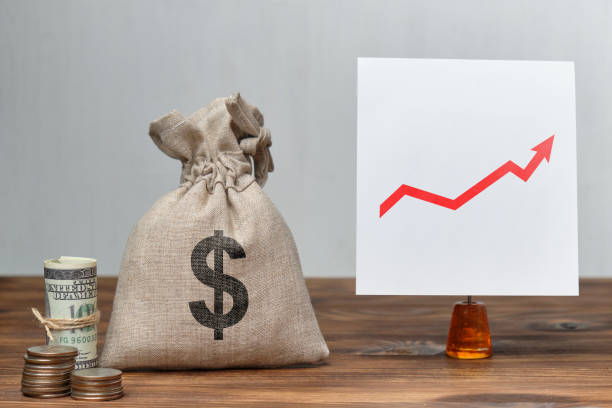
Resist the temptation to choose the cheapest installer and/or products. While price is certainly a factor, prioritizing price over quality and reliability can have significant long-term consequences. Select a reputable and experienced installer with a proven track record of successful installations. Investigate the quality of their workmanship, the components they use, and the warranties they offer. Choosing low-quality components or an inexperienced installer can lead to system failures, costly repairs, and diminished performance.
7. Neglecting Regular Maintenance
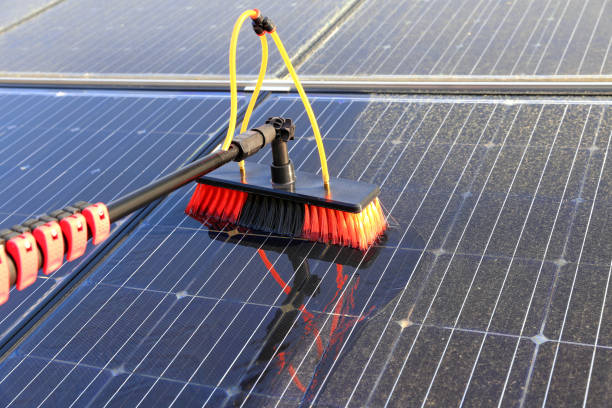
To ensure optimal performance and longevity, regular maintenance of your solar system is essential. Keep your solar panels clean by removing dust, dirt, and debris. Regularly inspect your system for any signs of damage, such as cracked panels or loose connections. Schedule professional maintenance checks as recommended by your installer to identify and address any potential issues early on.
In conclusion, going solar is an exciting and rewarding endeavour, but it’s important to approach the process with careful planning and informed decision-making. By avoiding these common pitfalls, you can ensure a smooth and successful solar installation that meets your energy needs and provides years of reliable and cost-effective clean energy.
Are you a victim of any of any of the mistakes I have just pointed out?