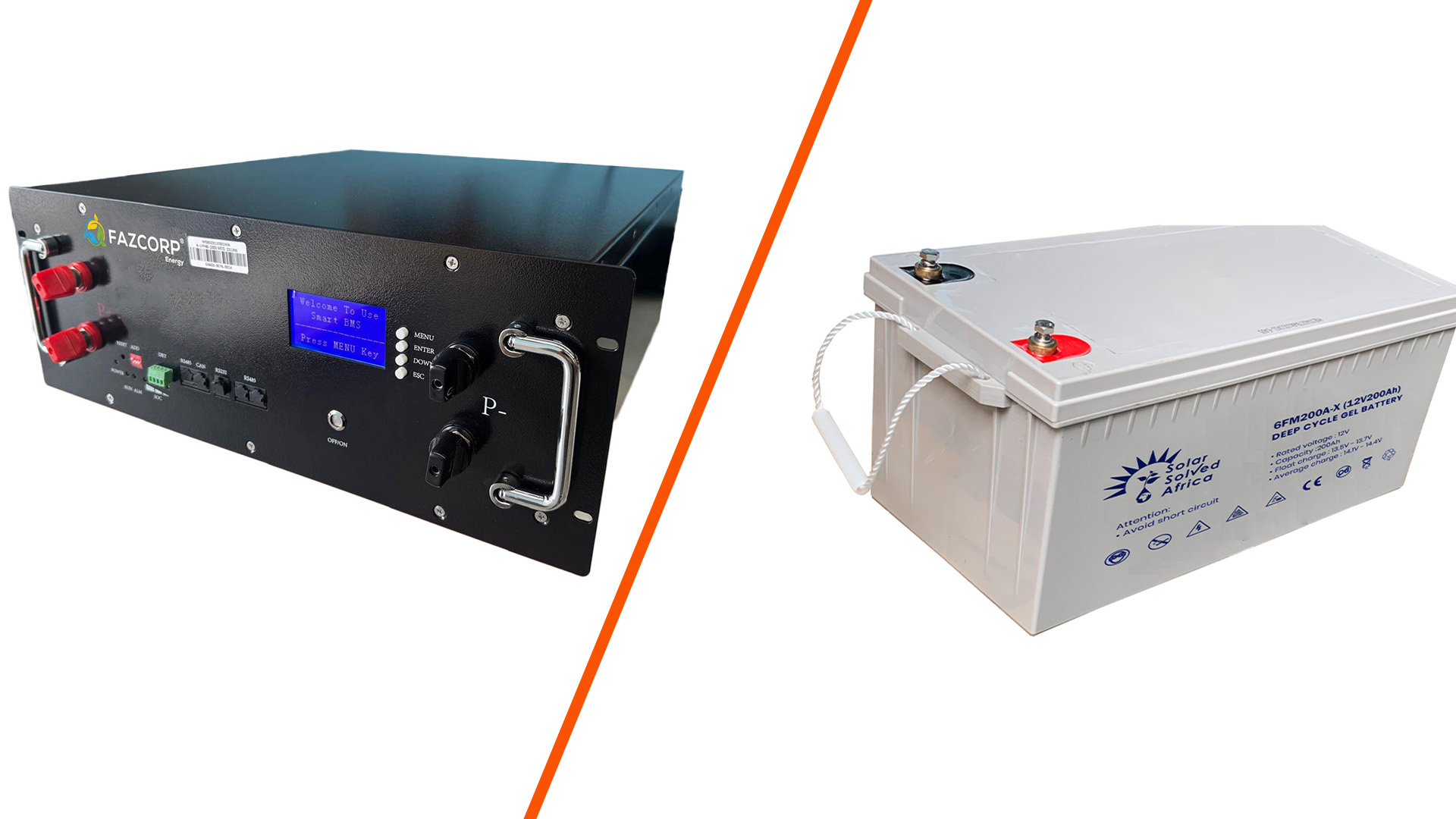
The Lithium-Ion Batteries Hype. Overrated or Still Relevant?
The rise of lithium-ion batteries has undeniably revolutionized the energy landscape. From powering our smartphones, propelling electric vehicles to storing backup energy in solar systems, these advanced batteries have become synonymous with progress and innovation. However, amidst the lithium-ion hype, it’s crucial to ask: Are these batteries truly superior in all situations, or do their lead-acid counterparts still offer compelling advantages? This blog post aims to delve deeper into this question, exploring the strengths and weaknesses of both battery technologies to determine their respective roles in today’s world.
Table of contents
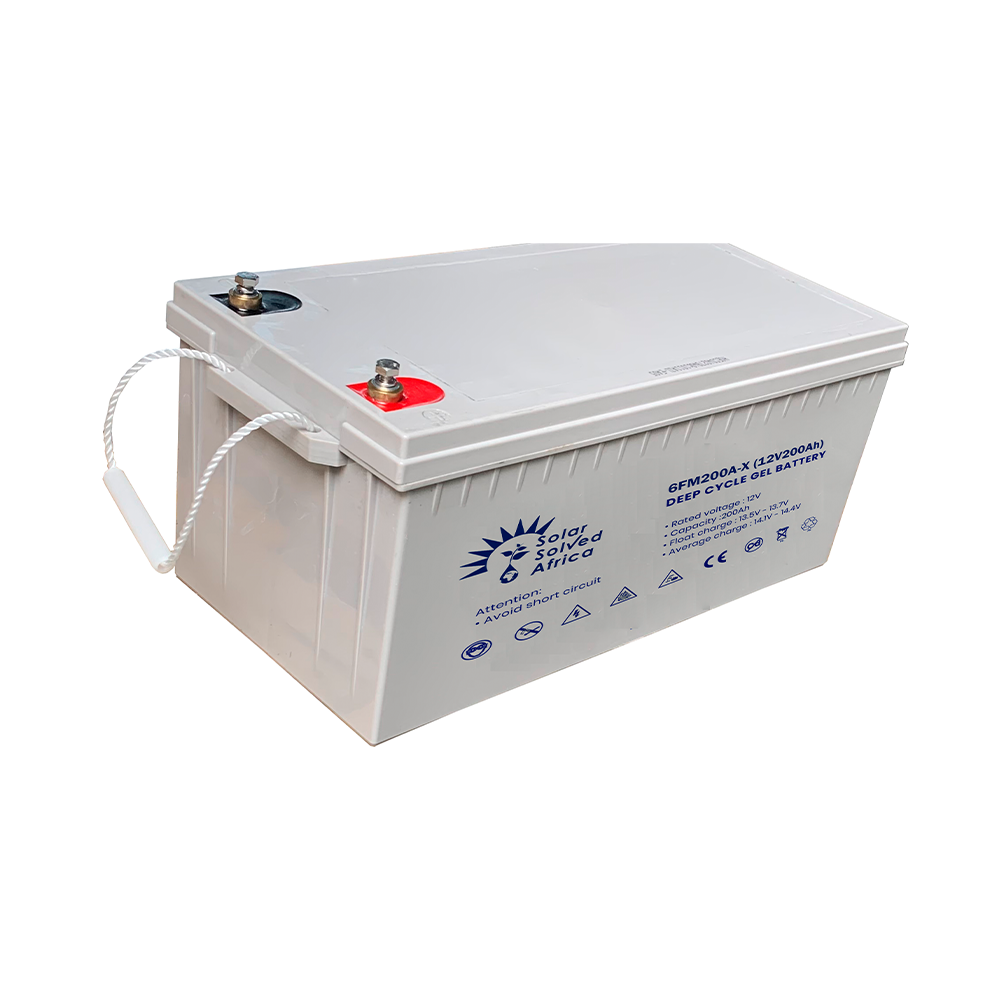
Understanding Lead-Acid Batteries
Lead-acid batteries, characterized by their use of lead plates immersed in an electrolyte solution, have been a cornerstone of energy storage for decades. However, these batteries suffer from several inherent limitations. Their lifespan is relatively short, typically measured in hundreds of charge-discharge cycles. Moreover, lead-acid batteries exhibit low energy density, meaning they store a relatively small amount of energy per unit weight and volume. This limitation necessitates larger and heavier battery banks for applications requiring substantial energy storage. Furthermore, the “memory effect,” where repeated partial discharges reduce battery capacity, significantly impacts their performance. Additionally, lead-acid batteries contain hazardous materials, such as lead and sulfuric acid, requiring careful handling and disposal, raising environmental concerns.
Lithium-Ion Batteries: The Rising Stars
In recent years, lithium-ion batteries have emerged as a dominant force in the battery market. These batteries utilize lithium compounds as the key component in their electrochemical reactions. Their exceptional energy density is a major advantage, allowing them to store significantly more energy in a smaller and lighter package compared to lead-acid batteries.
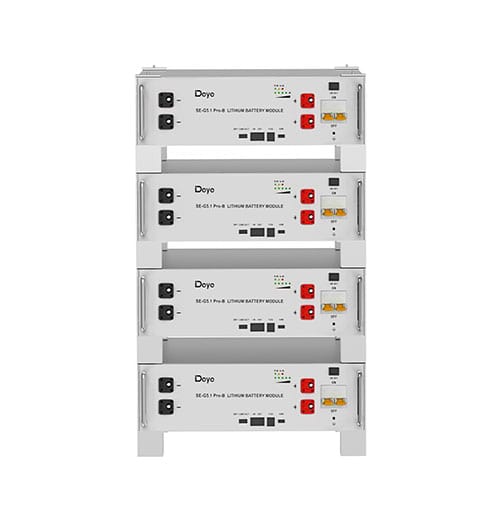
This high energy density translates to a longer battery. Furthermore, lithium-ion batteries exhibit superior performance characteristics, such as faster charging times and the ability to deliver higher power output.
Head-to-Head Comparison between Lithium-ion and Lead-acid batteries
1. Energy Density
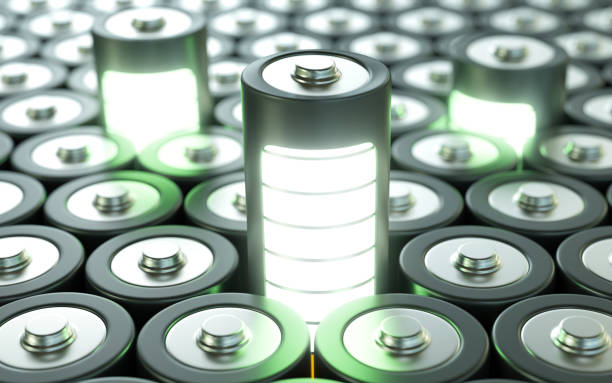
One of the most significant advantages of lithium-ion batteries is their exceptional energy density. They can store a significantly higher amount of energy in a smaller and lighter package compared to lead-acid batteries, which tend to be exceptionally heavy but store a lower amount of energy per unit mass. This high energy density translates to several benefits, including the ability to create smaller and lighter battery packs for various applications.
2. Lifespan

Lithium-ion batteries boast a significantly longer lifespan than lead-acid batteries. They can endure thousands of charge-discharge cycles (upwards of 5000 cycles) with minimal capacity degradation, reducing the need for frequent battery replacements and associated costs after a number of cycles. This extended lifespan enhances the overall cost-effectiveness and sustainability of lithium-ion battery systems. Their counterpart (the lead-acid battery) usually lasts only a few hundred cycles, at most 300 to 400 cycles only, meaning you would need to replace your lead-acid batteries at least 10 times before replacing a lithium-ion battery.
3. Performance
Lithium-ion batteries exhibit superior performance characteristics compared to lead-acid batteries. They can deliver higher discharge rates, making them suitable for applications that require sudden bursts of energy. Additionally, lithium-ion batteries can be charged much faster than lead-acid batteries, reducing charging times and enhancing convenience for users.
4. Environmental Friendliness
Lithium-ion batteries are generally considered more environmentally friendly than lead-acid batteries. They contain fewer hazardous materials, reducing their environmental impact during manufacturing, use, and disposal. Moreover, recycling technologies for lithium-ion batteries are continually evolving, making it possible to recover valuable materials and minimize waste.

5. Maintenance-Free Operation
Lithium-ion batteries require minimal maintenance compared to lead-acid batteries. Unlike lead-acid batteries, which require periodic watering and equalization charges, lithium-ion batteries are largely maintenance-free, reducing the overall effort and cost associated with their upkeep. Truly speaking, Lithium-ion batteries have garnered significant attention due to a suite of impressive advantages. Their high energy density allows them to store a substantial amount of energy within a compact and lightweight package. This translates to longer battery life for consumer electronics, and greater lifespan energy storage capacity for renewable energy systems like solar systema. Furthermore, lithium-ion batteries boast impressive longevity, withstanding numerous charge-discharge cycles with minimal degradation. They also offer high power output, enabling rapid charging and supporting high-energy demanding.

6. Cost considerations
Lithium-ion batteries are expensive with cost upwards 2 to 5 times compared to lead acid batteries. However, considering that you would need to replace lead-acid batteries about 10 times before a lithium-ion battery fail, also considering other awesome advantages of Lithium-ion batteries compared to the lead-acid ones, I would say, in the long run, Lithium-ion batteries tend to become cheaper. Does this actually mean that Lead-acid batteries are very bad after all?
Lead-Acid Batteries: Is It Still a Force to Be Reckoned With?
While lithium-ion batteries have undeniably made significant strides, it’s crucial to acknowledge that lead-acid batteries still possess inherent strengths. While they may lag behind in terms of energy density, lifespan, and power output, lead-acid batteries often offer a lower initial cost, making them a more budget-friendly option for certain applications. Moreover, their robust and durable construction makes them well-suited for harsh environments and applications that require high levels of vibration resistance. Additionally, a well-established recycling infrastructure exists for lead-acid batteries, minimizing their environmental impact.
Choosing the Right Battery: Application-Specific Considerations
Selecting the appropriate battery technology depends heavily on the specific application requirements. Factors such as energy needs, power demands, lifespan expectations, budget constraints, environmental considerations, maintenance requirements, and space limitations must all be carefully evaluated. For applications that prioritize high energy density, long lifespan, and fast charging, such as solar systems acting as the main backup power source, lithium-ion batteries are typically the preferred choice. However, for applications where cost is a primary concern and where lower energy density and shorter lifespan are acceptable, lead-acid batteries may still be a viable option.

In conclusion, while lithium-ion batteries have undeniably revolutionized the energy landscape, it’s crucial to recognize that lead-acid batteries still hold a place in certain applications. The “better” battery ultimately depends on the specific requirements of the application. By carefully considering factors such as cost, performance, and environmental impact, it’s possible to select the most suitable battery technology for a given need. As battery technology continues to evolve, we can expect to see further advancements and innovations that will shape the future of energy storage and power our world in increasingly sustainable and efficient ways.
Do you think Lithium batteries are a better option than lead-acid batteries or they are just exceedingly and unreasonably expensive?